
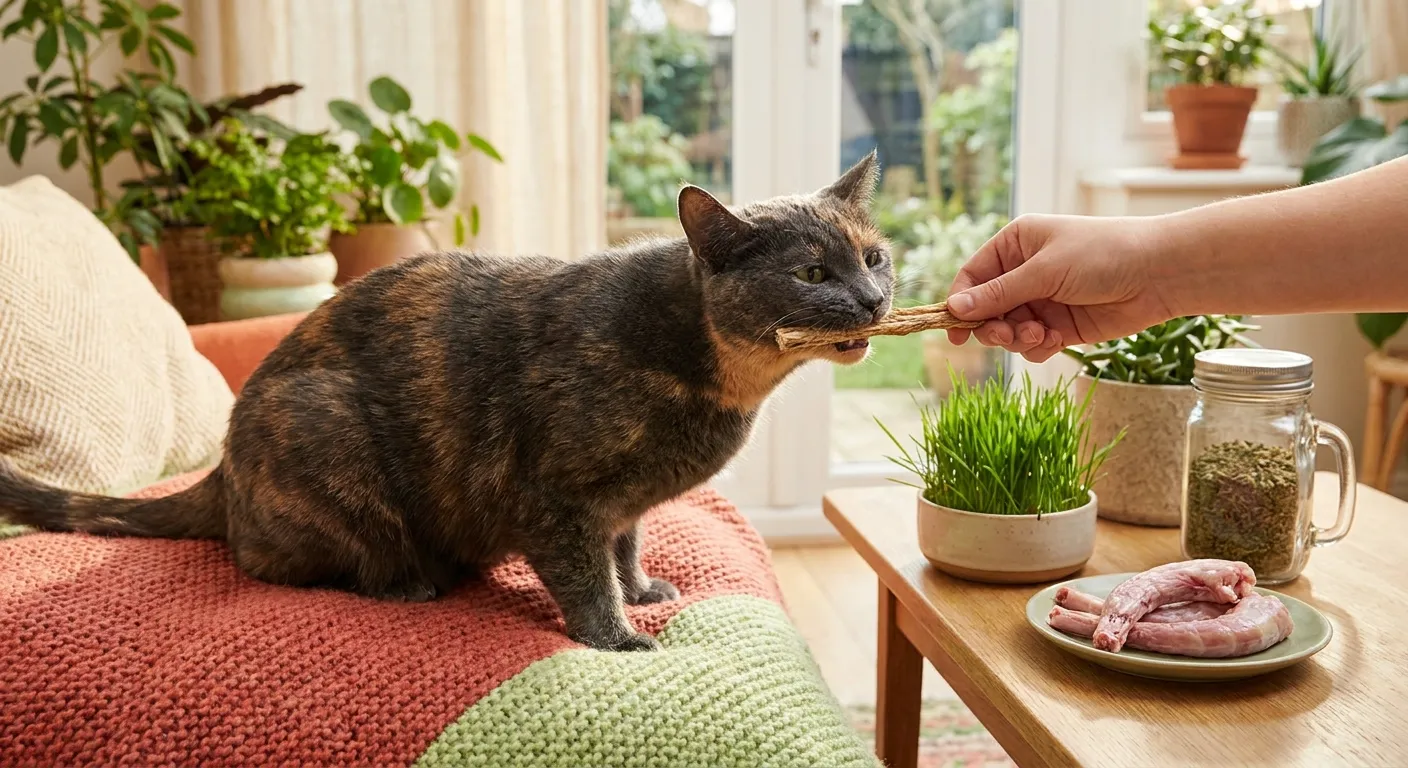
Maintaining excellent oral hygiene is crucial for your cat’s overall well-being, and embracing Natural Feline Dental Care can make a significant difference. Just like humans, cats can suffer from dental issues such as plaque buildup, gingivitis, and periodontal disease, which can lead to more severe health problems if left unaddressed. Holistic dental care focuses on prevention and gentle, effective methods to keep your cat’s teeth and gums healthy naturally. Therefore, understanding these approaches is vital for every cat owner.
The Importance of Natural Feline Dental Care
Many commercial dental products for cats contain ingredients that some owners prefer to avoid. Natural approaches prioritize methods that are safe, non-toxic, and supportive of a cat’s inherent health. This includes dietary considerations, natural supplements, and specific home care routines. Addressing dental health holistically means looking at the cat’s entire system, understanding that oral health is interconnected with digestive health and immunity. Regular attention to your cat’s mouth can prevent pain, discomfort, and costly veterinary procedures down the line. Moreover, a proactive stance on your cat’s dental health can significantly improve their quality of life.
Ignoring dental problems in felines can lead to serious systemic health issues. For instance, bacteria from infected gums can travel through the bloodstream, affecting vital organs like the heart and kidneys. Consequently, prioritizing natural methods for your cat’s oral hygiene is not just about fresh breath; it is about safeguarding their entire physiological system. Many veterinarians now acknowledge the profound link between oral health and overall wellness, encouraging owners to consider comprehensive strategies beyond routine cleanings. In fact, early intervention with natural dental practices can prevent the progression of many common feline dental diseases.
Understanding Feline Dental Anatomy and Common Issues
To truly appreciate the need for effective feline dental care, it helps to understand a cat’s unique oral structure. Cats possess 30 permanent teeth, perfectly adapted for tearing and shearing meat. Their teeth are not designed for grinding, which influences how food impacts their dental health. Plaque, a sticky film of bacteria, constantly forms on teeth. If not removed, it hardens into tartar. Tartar then irritates the gums, leading to gingivitis, an inflammation of the gums. Untreated gingivitis often progresses to periodontal disease, which can destroy the tissues supporting the teeth. This is a painful condition that often requires extensive veterinary intervention.
Furthermore, cats are prone to Feline Odontoclastic Resorptive Lesions (FORLs), also known as ‘neck lesions’ or ‘cavities’. These are painful erosions of the tooth surface that can affect any tooth. The cause of FORLs is not fully understood, but they are incredibly common, affecting over 50% of cats over five years old. Unfortunately, these lesions are often hidden below the gum line and can only be detected with dental X-rays. Therefore, regular veterinary dental check-ups are indispensable, even when implementing thorough home care. A holistic approach to dental care aims to minimize inflammation and support overall oral resilience, potentially reducing the incidence of such painful conditions.
Dietary Cornerstones for Optimal Feline Oral Health
The foundation of effective Natural Feline Dental Care often begins with diet. A species-appropriate diet, rich in high-quality protein and low in carbohydrates, is paramount. Dry kibble, despite common misconceptions, does not effectively clean a cat’s teeth. Its abrasive action is minimal, and the starches can actually contribute to plaque formation. Instead, consider feeding a raw or minimally processed diet. Raw meaty bones, when given under strict supervision and with guidance from a veterinarian experienced in raw feeding, can provide natural abrasive action that helps scrape away plaque and tartar. This mimics how wild felines naturally maintain their oral health.
For those not comfortable with raw feeding, high-quality wet food is a superior choice to kibble. It contains more moisture, which is beneficial for a cat’s urinary health, and typically fewer carbohydrates. When choosing commercial foods, scrutinize ingredient labels carefully. Avoid fillers, artificial colors, and excessive plant-based ingredients. Instead, prioritize formulations that support overall health, like those discussed in Balanced Natural Cat Nutrition Made Simple. In addition, certain dental-specific treats can be helpful, but ensure they are natural, digestible, and free from harmful additives. Look for options approved by veterinary dental organizations, as not all dental treats are created equal.
Practical Steps for At-Home Dental Care
Incorporating natural dental care into your routine doesn’t have to be complicated. Start by introducing tooth brushing with a pet-specific toothbrush and enzymatic toothpaste made for cats; many natural options are available. This is arguably the most effective home care method. Begin slowly, allowing your cat to get used to the brush and paste, and reward them generously. If daily brushing isn’t feasible, aim for several times a week. Consistency is key. If brushing isn’t feasible, consider dental wipes or finger brushes, which can still help remove plaque from the outer surfaces of the teeth. These alternatives are better than doing nothing at all.
Beyond brushing, dietary choices also play a significant role. As mentioned, a species-appropriate diet, potentially including supervised raw meaty bones, can help scrape plaque naturally. Supplements like probiotics can support a healthy oral microbiome, while certain herbs such as kelp or parsley can help reduce bad breath and contribute to overall oral health. Natural Cat Allergy Remedies That Work Fast can provide insights into supplements that also benefit overall immune health, which is interconnected with oral wellness. Furthermore, specific dental chews (ensure they are natural and digestible) can also offer support. Always consult with your veterinarian before introducing new supplements or dietary changes, especially regarding raw feeding.
The Role of Natural Supplements in Feline Oral Health
Beyond diet and brushing, several natural supplements can further enhance your cat’s dental well-being. Probiotics, for example, support a healthy gut microbiome, which in turn influences the oral microbiome. A balanced microbiome can help inhibit the growth of harmful bacteria that contribute to plaque and gum disease. Similarly, certain seaweeds, like ascophyllum nodosum (a specific type of kelp), have been shown to reduce plaque and tartar buildup. These are often available in powdered form, which can be easily sprinkled onto your cat’s food. This makes administration simple for most cat owners.
Herbal remedies also play a part in holistic Natural Feline Dental Care. Parsley, for instance, is a natural breath freshener, while extracts from plants like calendula or myrrh can possess anti-inflammatory and antimicrobial properties, beneficial for soothing irritated gums. Coenzyme Q10 is another supplement often recommended for gum health due to its antioxidant properties. Always choose high-quality, pet-specific supplements from reputable brands. Discussing these options with a holistic veterinarian is highly recommended to ensure they are appropriate for your individual cat’s needs. Moreover, remember that supplements are complementary to, not a replacement for, proper diet and regular brushing.
Professional Veterinary Dental Care: A Necessary Partnership
While at-home Natural Feline Dental Care is incredibly effective and important, it does not replace the need for professional veterinary dental care. Regular veterinary check-ups are essential for professional cleaning and monitoring. Veterinarians can perform a thorough oral examination, often requiring sedation, to check for hidden issues like resorptive lesions, fractured teeth, or deep pockets in the gums that indicate advanced periodontal disease. During these visits, professional scaling and polishing remove tartar above and below the gum line, which is impossible to achieve at home. X-rays are also vital for assessing the health of the tooth roots and the bone structure supporting the teeth.
Choosing a veterinarian who is open to discussing holistic approaches can create a powerful partnership in your cat’s health journey. They can guide you on the best natural products, monitor the effectiveness of your home care routine, and advise on when professional intervention is truly necessary. Think of professional cleanings as a crucial component of a comprehensive oral health strategy, working in tandem with your consistent efforts at home. This integrated approach ensures that all aspects of your cat’s dental health are addressed, leading to better long-term outcomes and a healthier, happier cat. For instance, sometimes a professional cleaning is needed to reset the oral environment, allowing your at-home practices to be more effective.
Addressing Specific Dental Challenges Naturally
Even with excellent preventative care, some cats may develop specific dental challenges. For example, some felines are more prone to gingivitis. In these cases, beyond the standard care, incorporating anti-inflammatory herbs or specific oral rinses (natural and alcohol-free) might be beneficial. Cats with sensitive gums might also benefit from softer toothbrushes or finger brushes, and careful introduction to new foods or supplements. When dealing with bad breath, which often signals underlying dental issues, a thorough examination is crucial. While breath fresheners can mask the problem, they don’t address the root cause.
For cats recovering from professional dental procedures, natural supportive therapies can aid healing. This might include homeopathic remedies, specific nutritional support to boost immunity, or gentle herbal rinses to keep the mouth clean. Always work closely with your veterinarian to ensure these natural interventions complement conventional treatments and do not interfere with medication. The goal of Natural Feline Dental Care is to provide a comprehensive, gentle, and effective pathway to lifelong oral health, adapting strategies to meet individual feline needs. Moreover, understanding your cat’s unique temperament and preferences will help you tailor their dental care routine for maximum compliance and effectiveness.
Preventative Measures for a Lifetime of Healthy Smiles
Prevention truly is the best medicine when it comes to feline dental health. Establishing a consistent routine from a young age is ideal. Introduce tooth brushing gradually to kittens, making it a positive experience with treats and praise. This early conditioning can make future dental care much easier. Furthermore, providing appropriate chew toys can also help. Look for toys specifically designed to promote dental health by gently scraping teeth or massaging gums. However, avoid toys that are too hard, as these can fracture teeth. Silicone or rubber toys are often safer choices than extremely rigid ones.
Regularly inspecting your cat’s mouth at home is another simple yet powerful preventative measure. Look for signs of redness, swelling, bleeding gums, broken teeth, or unusual growths. Any persistent bad breath, difficulty eating, or pawing at the mouth warrants a veterinary visit. Remember that cats are masters at hiding pain, so subtle changes might be the only indicators. Embracing a holistic lifestyle for your cat, including a balanced diet and regular exercise, contributes to overall vitality, which in turn supports robust oral health. This comprehensive approach underscores the philosophy of Natural Feline Dental Care.
The Interconnectedness of Oral Health and Overall Well-being
The mouth is often considered a mirror to the body’s overall health, and this holds true for cats. Poor oral hygiene can lead to chronic inflammation, which stresses the immune system. Bacteria from dental infections can indeed spread to other organs, impacting heart, kidney, and liver function. Conversely, systemic illnesses like diabetes or kidney disease can manifest in the mouth, sometimes exacerbating dental problems. For example, cats with kidney issues may have a higher incidence of oral ulcers or bad breath due to toxin buildup.
Therefore, a holistic approach to your cat’s health, which includes careful consideration of their diet, environment, and stress levels, directly impacts their oral well-being. Ensuring your cat receives Natural Cat Diets Vets Actually Recommend is crucial not just for their digestion and energy, but also for providing the nutrients needed for strong teeth and healthy gums. When you address your cat’s health comprehensively, you create a synergistic effect where each aspect supports the others. This deep interconnectedness is a core principle behind effective Natural Feline Dental Care, promoting a truly vibrant and balanced life for your feline companion.
Conclusion
By adopting Natural Feline Dental Care practices, you empower your cat to enjoy a healthier, happier life with strong teeth and gums. Prioritizing natural methods not only supports their oral health but also aligns with a holistic approach to their entire well-being. Start small, be consistent, and observe the positive impact on your feline companion. Remember that a combination of a species-appropriate diet, regular at-home care, natural supplements, and professional veterinary oversight forms the most robust strategy for maintaining optimal feline oral health. Your dedication to these natural methods will foster a lifetime of comfort and vitality for your beloved cat. For more detailed insights into feline health, consider resources like Cornell University College of Veterinary Medicine or The American Veterinary Medical Association.
FAQ
What are the first steps for improving my cat’s dental health naturally?
The first steps involve introducing tooth brushing with a pet-specific enzymatic toothpaste, adjusting their diet to be more species-appropriate (like high-quality wet food or supervised raw), and considering natural dental chews. Consistency is more important than intensity.
Can diet alone address my cat’s dental problems?
While diet plays a significant role in preventing dental issues and supporting overall oral health, it usually cannot fully address existing dental problems like advanced periodontal disease or resorptive lesions. A combination of diet, home care, and professional veterinary cleanings is often necessary.
How often should I brush my cat’s teeth?
Ideally, you should brush your cat’s teeth daily. If daily brushing is not feasible, aiming for at least three to four times a week can still provide significant benefits. Even a few times a week is far better than not brushing at all.
Are there any natural alternatives to traditional cat toothpaste?
Yes, there are several natural alternatives. Many pet-specific toothpastes use natural enzymes and ingredients like baking soda or coconut oil. Some owners also use diluted herbal rinses or simply water on the brush, though enzymatic toothpaste offers superior plaque-fighting action.
When should I seek professional veterinary dental care?
You should seek professional veterinary dental care if you notice persistent bad breath, redness or bleeding gums, difficulty eating, pawing at the mouth, visible tartar buildup, or any changes in your cat’s behavior that might indicate oral pain. Regular annual check-ups should always include an oral examination.