
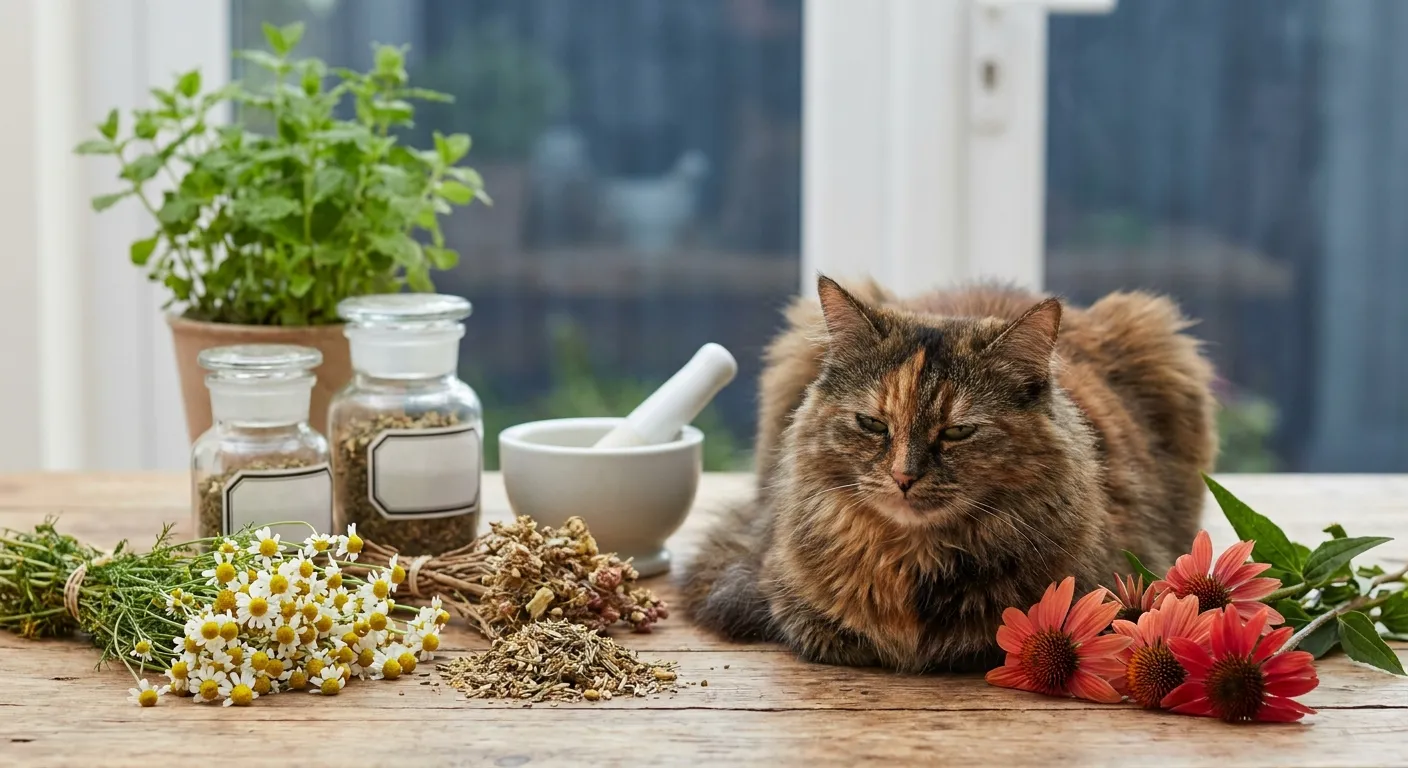
The world of natural wellness offers a gentle alternative for supporting your feline friend’s health. Herbal Remedies for Cats can provide supplementary care for a variety of common ailments, from mild anxiety to digestive upset, offering a holistic approach to their well-being. While herbs are powerful, it’s crucial to approach their use with knowledge and caution, always consulting with a holistic veterinarian before introducing any new treatment. This guide from The Natural Cats aims to empower you with valuable insights into safe and effective botanical support.
Understanding Herbal Support for Felines
Herbal medicine for felines focuses on using plant-derived compounds to support the body’s natural healing processes and maintain balance. Unlike some conventional medications that may have harsh side effects, many herbs work more subtly, aiming to restore harmony within the cat’s system. It’s important to use high-quality, organic herbs and to ensure proper dosing, as cats metabolize substances differently than humans or even dogs. Never use essential oils directly or orally without expert veterinary guidance, as many are toxic to cats. Furthermore, understanding the specific needs of your cat is paramount, especially when considering natural solutions.
Moreover, the concept of holistic care extends beyond just treating symptoms. It involves looking at the cat’s entire lifestyle, including balanced natural cat nutrition, stress levels, and environment. Plant-based solutions are often integrated into a broader wellness plan, aiming to prevent issues before they become severe. For example, consistent use of certain botanicals can bolster the immune system, thereby reducing susceptibility to various health challenges. Therefore, considering a comprehensive approach is always beneficial for your cat’s long-term health.
Top Herbal Remedies for Common Feline Concerns
Many common feline issues can benefit from natural, plant-based support. However, it is essential to remember that these are supportive measures, not replacements for professional veterinary diagnosis and treatment. Always consult a veterinarian knowledgeable in herbal medicine before starting any new regimen for your cat.
Calming & Anxiety Relief
- Chamomile: Known for its calming properties, chamomile tea (cooled and diluted) can help soothe mild anxiety or digestive upset. Use small amounts. This herb is particularly useful for cats experiencing situational stress, such as during travel or vet visits.
- Catnip: While often used for play, catnip can also have a calming effect on some cats, or stimulate play in others. It’s generally safe in moderation. Interestingly, some cats react with playful energy, while others become relaxed and sleepy.
- Valerian Root: For more pronounced anxiety, valerian root can be a stronger calming agent. It should be used cautiously and under veterinary supervision, as individual reactions can vary. It’s often effective for noise phobias or separation anxiety.
Digestive Health Support
- Slippery Elm Bark: Excellent for digestive issues, slippery elm can help coat and soothe an irritated digestive tract, assisting with issues like diarrhea or constipation. Administer as a gruel. This remarkable herb creates a protective barrier, reducing inflammation.
- Dandelion: The leaves can act as a gentle diuretic and liver support, while the root can aid digestion. Ensure it’s from a pesticide-free source. Dandelion also provides valuable vitamins and minerals, contributing to overall vitality.
- Marshmallow Root: Similar to slippery elm, marshmallow root offers mucilaginous properties that can soothe inflamed mucous membranes in the digestive and urinary tracts. It’s often used for its gentle, healing effects.
Skin & Coat Wellness
- Calendula: This herb is great for topical use on minor skin irritations or wounds, due to its anti-inflammatory and antiseptic properties (as a diluted tea or cream, preventing ingestion). It promotes healthy skin regeneration. For cats with natural cat allergy remedies, calendula can be a soothing topical aid.
- Aloe Vera (topical only, pure gel): When applied topically, pure aloe vera gel can soothe minor burns and skin irritations. It’s crucial to use only the inner gel and prevent ingestion, as the outer leaf can be a laxative.
Immune System Boosters
- Astragalus: This root is well-regarded in traditional medicine for its immune-boosting properties. It can help strengthen the body’s natural defenses, especially during times of stress or recovery.
- Echinacea: Known for its immune-stimulating effects, echinacea can be used short-term to help ward off minor infections. Always consult a vet for proper dosage and duration.
Preparing and Administering Herbal Remedies for Cats Safely
When considering Herbal Remedies for Cats, proper preparation and administration are key to safety and effectiveness. Firstly, always source high-quality, organic herbs from reputable suppliers. Contaminated or improperly stored herbs can be ineffective or even harmful. Secondly, never assume human dosages are appropriate for cats; their physiology is unique. A holistic veterinarian can provide precise dosing instructions tailored to your cat’s weight, condition, and sensitivity.
Furthermore, many herbal solutions can be given as a cooled, diluted tea, a tincture (alcohol-free), or mixed into food as a powder or gruel. Introducing new remedies slowly and observing your cat for any adverse reactions is vital. Some cats may be sensitive to certain plants, even those generally considered safe. Therefore, start with very small amounts and gradually increase if well-tolerated. For instance, a small amount of chamomile tea might be offered in a separate water bowl. Similarly, for digestive support, slippery elm can be mixed with a little water to form a palatable gruel.
When to Consult a Holistic Veterinarian for Herbal Support
While exploring Herbal Remedies for Cats, it is paramount to work closely with a holistic veterinarian. These professionals combine conventional veterinary medicine with complementary therapies, including herbalism, acupuncture, and nutritional counseling. They can accurately diagnose your cat’s condition, recommend appropriate herbal protocols, and ensure there are no contraindications with existing medications or health issues.
For example, if your cat is experiencing persistent digestive upset, a vet can rule out more serious conditions like cat allergies and gut issues before recommending herbal solutions. Moreover, a holistic vet can guide you on the best form of herbal preparation and proper dosage, which is critical for feline safety. They can also monitor your cat’s progress and adjust treatments as needed, ensuring the best possible outcome. This collaborative approach ensures that your cat receives comprehensive and safe care.
Integrating Natural Approaches into Your Cat’s Wellness Plan
Incorporating Herbal Remedies for Cats into their overall wellness plan can significantly enhance their quality of life. This integration should be thoughtful and gradual, always prioritizing your cat’s comfort and health. Consider how natural solutions can complement other aspects of their care, such as diet and environmental enrichment. For example, if your cat experiences stress, combining calming herbs with cat behavior enrichment ideas can yield better results.
Furthermore, maintaining a healthy lifestyle is fundamental. This includes providing a natural cat diet vets actually recommend, ensuring adequate hydration, and offering a safe, stimulating environment. Herbs can act as powerful adjuncts to these foundational practices, supporting the body’s natural resilience. Remember, the goal is to foster a balanced and vibrant life for your feline companion, using all available safe and effective tools.
When selecting products, consider ethical sourcing and sustainability. Look for brands that prioritize purity and transparency. Resources like the American Holistic Veterinary Medical Association can help you find qualified professionals and reliable information. Another valuable resource for understanding herbal safety is the ASPCA’s toxic plant list for cats, which helps identify plants to avoid.
Conclusion
Incorporating Herbal Remedies for Cats into your wellness toolkit can offer a natural pathway to support their health. With careful research and professional guidance, these plant-based allies can contribute to a happier, more balanced life for your beloved companion. Always prioritize safety and consult a holistic vet to ensure the best approach for your cat’s unique needs. By embracing these gentle, natural solutions, you are taking a proactive step towards enhancing your cat’s overall well-being and vitality. The Natural Cats encourages you to explore these options thoughtfully, always with your feline friend’s health as the top priority.
FAQ
What are some safe herbal options for a cat’s anxiety?
For mild anxiety, chamomile and catnip are often considered safe and can offer calming effects. Valerian root can be effective for more significant stress, but always consult with a holistic veterinarian for proper dosage and guidance before administering any new botanical.
Can plant-based remedies help with my cat’s digestion?
Absolutely. Herbs like slippery elm bark and marshmallow root are excellent for soothing the digestive tract and can help with issues like diarrhea or constipation. Dandelion root can also support digestion and liver health. Ensure all sources are pure and free from pesticides.
Are there any natural solutions for feline skin irritations?
Yes, calendula is a fantastic herb for topical use on minor skin irritations and small wounds due to its anti-inflammatory and antiseptic properties. Pure aloe vera gel can also be applied topically for soothing effects, but prevent ingestion. Always monitor your cat to ensure they don’t lick off topical applications.
How do I safely administer natural feline support?
Safe administration involves precise dosing, often as a cooled, diluted tea, a non-alcoholic tincture, or mixed into food as a powder or gruel. It’s crucial to start with small amounts and observe your cat’s reaction. Never give essential oils orally or undiluted, and always consult a holistic vet for specific instructions.
When should I consult a vet about using herbal support for my cat?
You should always consult a holistic veterinarian before starting any new herbal regimen for your cat, especially if they have existing health conditions or are on other medications. A vet can provide an accurate diagnosis, recommend appropriate botanical treatments, and ensure there are no harmful interactions, ensuring the best care for your feline friend.