Essential oils have gained popularity for their therapeutic properties, offering a natural approach to wellness for humans. However, when it comes to our beloved feline companions, caution is not just a recommendation; it is absolutely paramount. Understanding Essential Oils for Cats Safety is critically important, as many popular oils can be profoundly toxic to cats due to their unique physiology. Cats, notably, lack the specific liver enzymes (glucuronyl transferases) needed to properly metabolize certain compounds found in essential oils. Consequently, this can lead to potential accumulation of toxins and severe health issues.
Why Cats Are Uniquely Sensitive to Essential Oils
Cats possess a remarkable metabolic system, yet it differs significantly from ours. Their livers are less equipped to process certain substances, especially phenols and terpenes commonly found in essential oils. Moreover, cats are meticulous groomers. This means any essential oil applied to their fur, present on surfaces, or diffused into their environment can easily be ingested during their regular cleaning rituals. Once these compounds are ingested or absorbed through their skin, they can overwhelm their delicate liver, leading to a range of alarming symptoms.
These symptoms can vary from mild lethargy and excessive drooling to more severe signs like difficulty breathing, wobbliness (ataxia), vomiting, diarrhea, and even profound liver damage. It is crucial to be aware of the common culprits. For example, tea tree oil (melaleuca), peppermint, citrus oils (lemon, orange, bergamot), wintergreen, pine oils, eucalyptus, and even certain floral oils like lavender can be highly toxic. Furthermore, even diffusion in a shared space poses a risk if the cat is exposed for too long, in high concentrations, or in an unventilated area. Their smaller body size and efficient respiratory systems mean they absorb airborne particles more readily.
The Science Behind Feline Toxicity
To elaborate, the lack of glucuronidation pathways in cats is a primary reason for their sensitivity. Glucuronidation is a crucial detoxification process in the liver where toxic substances are conjugated with glucuronic acid, making them water-soluble and easier to excrete. Without these enzymes, essential oil compounds linger in the cat’s system, causing cumulative damage. This metabolic limitation makes substances that might be benign for humans or even dogs, highly dangerous for cats. Therefore, vigilance regarding Essential Oils for Cats Safety is non-negotiable.
Another factor is their thin skin. Cats’ skin is more permeable than human skin, allowing for easier absorption of topical substances. This means that even incidental contact with essential oils can lead to systemic toxicity. Furthermore, their highly developed sense of smell means that diffused oils, even at low concentrations, can be overwhelming and irritating to their respiratory tracts. This is especially true for cats with pre-existing respiratory conditions like asthma.
Essential Oils for Cats Safety: Comprehensive Guidelines
Prioritizing Essential Oils for Cats Safety requires a proactive and informed approach. Here are detailed guidelines to ensure your feline friend remains healthy and protected:
- Avoid Direct Application: Absolutely never apply essential oils directly to your cat’s skin or fur. Even highly diluted oils can be harmful due to skin absorption and subsequent ingestion during grooming. This includes topical treatments that are often marketed for humans or dogs.
- No Oral Administration: Essential oils should never, under any circumstances, be given to cats orally. Ingestion bypasses initial skin absorption and directly introduces concentrated compounds to their digestive and circulatory systems, leading to rapid and severe toxicity.
- Consider Hydrosols with Extreme Caution: If you are seeking plant-based aromatics, hydrosols (also known as floral waters) are much gentler and safer alternatives. They are the water byproduct of essential oil distillation, containing only trace amounts of essential oil compounds. However, even with hydrosols, it is wise to proceed with caution and always consult a holistic veterinarian before use.
- Diffuser Use with Utmost Prudence: If you absolutely must diffuse essential oils in your home, do so with extreme caution. Ensure it is in a very well-ventilated room, far away from your cat. Use the diffuser for very short periods, perhaps 15-30 minutes at most, and always ensure your cat has a clear, unhindered escape route to an entirely oil-free area of the house. Never diffuse around cats with any respiratory issues, allergies, or gut sensitivities.
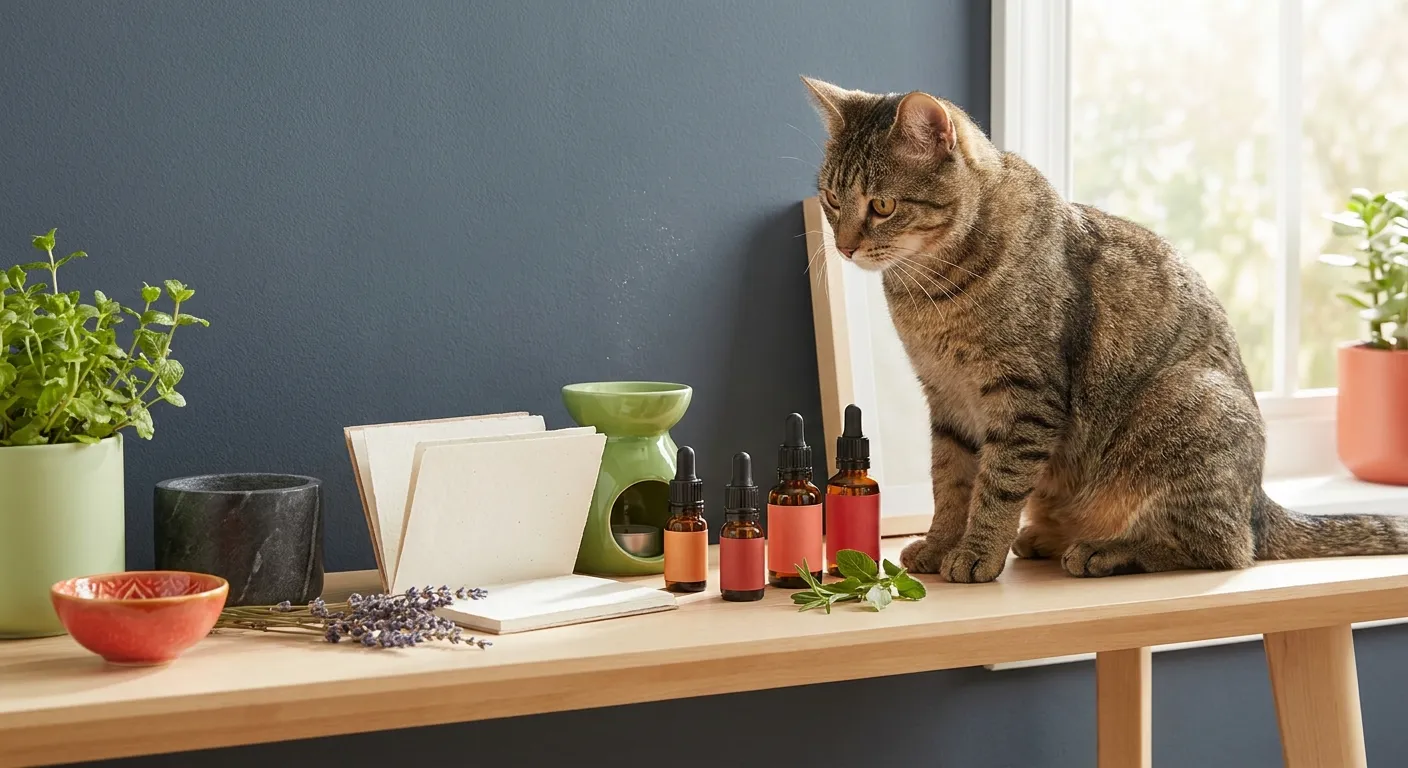
- Store Oils Securely: Keep all essential oil bottles tightly sealed and stored in a secure location where your cat cannot access them. Cats are curious creatures, and a knocked-over bottle could lead to spills and potential exposure.
- Observe Your Cat Closely: If you use essential oils in any capacity in your home, even in another room, always monitor your cat for any changes in behavior or health. Look for signs such as lethargy, drooling, vomiting, tremors, difficulty breathing, or changes in gait. If you notice any of these, seek veterinary attention immediately.
- Consult a Holistic Veterinarian: This is perhaps the most critical guideline. Before using any essential oil or plant-based remedy around your cat, consult a holistic veterinarian experienced in feline aromatherapy or toxicology. They can advise on truly safe options, if any, and appropriate dilutions or alternatives tailored to your cat’s specific health profile. For example, some specialized vets might approve extremely diluted, specific oils for particular ailments, but this is rare and requires expert guidance and careful monitoring.
Prioritizing Essential Oils for Cats Safety means understanding their unique biological sensitivities and consistently erring on the side of caution. Your cat’s health and longevity depend on this informed approach. Remember, what is safe for you or even other pets might be detrimental to your feline companion.
Safe Alternatives to Essential Oils for Feline Wellness
Given the risks associated with essential oils, many cat owners seek safer alternatives for enhancing their cat’s environment or addressing minor concerns. Indeed, there are numerous ways to support your cat’s well-being without resorting to potentially harmful essential oils. For instance, creating a stimulating environment with cat behavior enrichment ideas can significantly reduce stress and promote happiness. This includes interactive toys, climbing structures, and puzzle feeders. Furthermore, a balanced diet is fundamental for overall health, and exploring natural cat diets vets actually recommend can be highly beneficial.
For calming effects, consider feline-specific pheromone diffusers, which mimic natural cat appeasing pheromones and are generally considered safe and effective by veterinarians. Herbal remedies, when administered under the guidance of a holistic veterinarian, can also offer benefits without the concentrated compounds of essential oils. Examples include catnip (for some cats), valerian root, or chamomile in appropriate forms and dosages. Always discuss these options thoroughly with a knowledgeable vet.
Moreover, ensuring proper grooming is essential for your cat’s health. You can use eco-friendly cat grooming tips to keep their coat healthy and clean without introducing any risky substances. Regular brushing not only helps with shedding but also strengthens your bond with your cat. For specific health concerns, always prioritize veterinary consultation. For example, if your cat is experiencing cat sleep stress, a vet can help identify the root cause and recommend safe, effective solutions.
Understanding the Risks: Common Essential Oils to Avoid
While we have touched upon some, it is beneficial to have a more comprehensive list of essential oils that are particularly dangerous for cats. This knowledge is key to upholding Essential Oils for Cats Safety in your home. The following oils should be strictly avoided in any form around felines:
- Tea Tree Oil (Melaleuca alternifolia): Extremely toxic. Even a small amount can cause severe neurological issues, liver damage, and death.
- Peppermint Oil: Contains phenols and ketones that cats cannot metabolize. Can cause liver damage and neurological symptoms.
- Citrus Oils (Lemon, Orange, Bergamot, Grapefruit, Lime): Contain d-limonene, which is toxic to cats. Can cause liver damage, vomiting, and diarrhea.
- Wintergreen Oil: Contains methyl salicylate, which is similar to aspirin and highly toxic to cats. Can lead to salicylate poisoning.
- Pine Oils: Found in many household cleaners and essential oil blends. Can cause liver damage, respiratory distress, and central nervous system depression.
- Eucalyptus Oil: Contains eucalyptol, which is toxic to cats and can cause respiratory problems and liver damage.
- Clove Oil: Contains eugenol, a phenol that is very difficult for cats to metabolize.
- Cinnamon Oil: Can cause irritation and toxicity due to high phenol content.
- Pennyroyal Oil: Highly toxic, can cause liver failure.
- Thyme Oil: High in phenols, dangerous for cats.
- Oregano Oil: Contains phenols that are toxic to felines.
- Lavender Oil: While often considered calming for humans, lavender contains linalool and linalyl acetate, which cats struggle to metabolize. Some sources suggest it’s less toxic than others, but caution is still advised, especially with concentrated forms.
This list is not exhaustive, but it covers many of the most commonly encountered essential oils. When in doubt, always assume an essential oil is unsafe for your cat unless explicitly advised otherwise by a qualified holistic veterinarian. This proactive approach is fundamental to maintaining Essential Oils for Cats Safety.
Emergency Protocol: What to Do if Your Cat is Exposed
Despite best efforts, accidental exposure to essential oils can happen. Knowing what to do in such an emergency is vital for Essential Oils for Cats Safety. If you suspect your cat has been exposed to essential oils, either through skin contact, inhalation, or ingestion, act quickly:
- Remove Your Cat from the Source: Immediately take your cat away from the area where the essential oil is present. Open windows for ventilation if diffusion was involved.
- Wash Contaminated Areas: If the oil got on their fur or skin, gently wash the affected area with plain dish soap (like Dawn) and lukewarm water. Do not scrub harshly, and be careful not to let them ingest the soap. Rinse thoroughly.
- Contact Your Veterinarian Immediately: Call your veterinarian or an emergency veterinary clinic right away. Provide them with the name of the essential oil, the suspected amount of exposure, and any symptoms your cat is exhibiting.
- Monitor Symptoms: While en route to the vet, continue to monitor your cat for any changes in breathing, demeanor, or physical symptoms.
- Do Not Induce Vomiting: Never try to induce vomiting in your cat unless specifically instructed to do so by a veterinarian. Some essential oils can cause more harm if vomited.
Timely veterinary intervention can make a significant difference in the outcome of essential oil toxicity. Do not hesitate or wait for symptoms to worsen. Early treatment is key.
Conclusion
While essential oils offer therapeutic benefits for humans, their use around cats demands extreme care, extensive knowledge, and a commitment to their unique biological vulnerabilities. Prioritizing Essential Oils for Cats Safety means recognizing that what is natural for us isn’t always natural or safe for our feline friends. By strictly adhering to safety guidelines, avoiding direct exposure, exercising extreme caution with diffusers, and, most importantly, consulting with a qualified holistic veterinarian, you can ensure your cherished feline companion remains safe from potential harm. Let us empower ourselves with knowledge to help our cats live healthy, balanced, and vibrant lives through truly holistic and safe methods, always putting their well-being first.
FAQ Section
Are all essential oils dangerous for cats?
No, not all essential oils are equally dangerous, but a significant number of common ones are highly toxic due to cats’ unique metabolic systems. It is generally safer to assume an essential oil is unsafe unless a holistic veterinarian specifically advises otherwise for a particular cat and situation. Many essential oils contain compounds like phenols and terpenes that felines cannot properly detoxify.
Can I diffuse essential oils in my home if I have a cat?
Diffusing essential oils around cats carries significant risks. If you choose to diffuse, do so with extreme caution: use a well-ventilated room, ensure your cat has a clear exit to an oil-free area, keep diffusion times very short (15-30 minutes), and never diffuse around cats with respiratory issues. It’s often best to avoid it entirely to ensure feline safety.
What are common signs of essential oil poisoning in cats?
Signs of essential oil poisoning can include lethargy, drooling, vomiting, diarrhea, difficulty breathing, wobbliness (ataxia), tremors, skin irritation, and changes in behavior. If you notice any of these symptoms after suspected exposure, contact your veterinarian immediately.
Are there any safe plant-based alternatives to essential oils for cats?
Yes, hydrosols (floral waters) are generally considered much safer alternatives as they contain only trace amounts of essential oil compounds. However, even with hydrosols, it’s wise to consult a holistic veterinarian. Feline-specific pheromone diffusers are also a safe option for calming. Always prioritize veterinary guidance for any plant-based remedies.
Why are cats more sensitive to essential oils than humans or dogs?
Cats are more sensitive primarily because they lack specific liver enzymes (glucuronyl transferases) needed to metabolize certain compounds found in essential oils, such as phenols and terpenes. This metabolic deficiency means these substances accumulate in their system, leading to toxicity. Additionally, their meticulous grooming habits and permeable skin increase their risk of exposure and absorption.