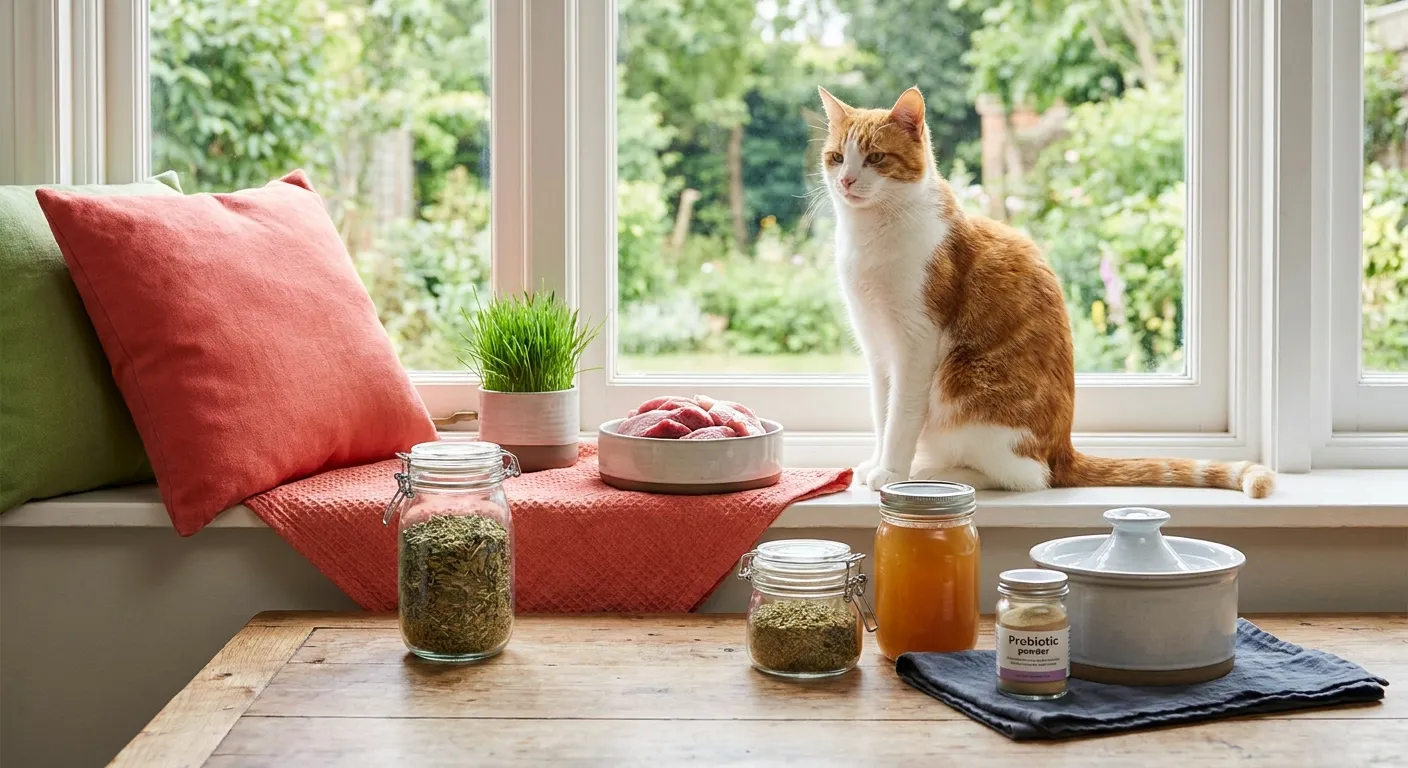
Understanding cat gut health natural is fundamental to their overall well-being, influencing everything from immunity to mood. In an era where pet owners increasingly seek high-quality, transparent, and functional food options, focusing on a healthy feline gut microbiome is more relevant than ever. This holistic approach moves beyond basic sustenance, aligning with the growing trend towards preventive and personalized pet care. Truly, a balanced gut contributes significantly to a cat’s vitality.
The Crucial Role of Your Cat’s Microbiome
Your cat’s gut is home to trillions of bacteria, viruses, fungi, and other microorganisms, collectively known as the microbiome. This intricate ecosystem plays a vital role in nutrient absorption, vitamin synthesis, immune system regulation, and even behavioral patterns. An imbalanced microbiome, or dysbiosis, can lead to digestive upset, allergies, chronic inflammation, and a weakened immune response. Therefore, maintaining this delicate balance is paramount for your cat’s health.
Nourishing the Gut with Natural Nutrition
Feeding a diet that supports a robust gut microbiome is the cornerstone of feline digestive wellness. Current industry trends highlight a significant shift towards minimally processed and raw diets, which are perceived to retain more nutritional value. Owners are opting for human-grade and organic ingredients, free from synthetic hormones, artificial dyes, chemicals, and preservatives, reflecting a desire for purity that mirrors human food trends. For instance, many are exploring options like those discussed in Natural Cat Food Comparison Homemade vs Store Bought.
- Minimally Processed Foods: Raw, freeze-dried, and dehydrated foods are gaining momentum. These options avoid the high-heat processing that can diminish enzyme activity and alter nutrient structures, potentially making them easier for your cat’s digestive system to process. Many pet parents report improved digestion and energy levels.
- Fiber for Fermentation: While cats are obligate carnivores, a small amount of soluble fiber can act as a prebiotic, feeding beneficial gut bacteria. Sources like pureed pumpkin or psyllium husk can be introduced carefully. However, always consult your veterinarian before making significant dietary changes.
- Novel Proteins: For cats with sensitivities, novel and hydrolyzed proteins can reduce the digestive burden and inflammatory responses often linked to common protein sources. Insect-based proteins, like black soldier fly larvae, are also emerging as sustainable and digestible options. These alternatives can be particularly helpful for managing Cat Allergies and Gut Issues Vets Diagnose.
The Power of Probiotics and Prebiotics
The global functional pet food market is projected to reach $3.35 billion in 2026, with a significant segment dedicated to gut health. Indeed, 12% of cat owners purchased prebiotics and probiotics in 2025 alone, underscoring their recognized benefits. These supplements play a crucial role in supporting a healthy gut environment.
- Probiotics: These are live beneficial bacteria that, when administered in adequate amounts, confer a health benefit to the host. They can help restore balance to the gut microbiome, particularly after antibiotic use, stress, or dietary changes. Look for cat-specific probiotic supplements or consider adding small amounts of fermented foods like plain, unsweetened kefir or yogurt. Always ensure they are free of added sugars or artificial sweeteners.
- Prebiotics: These are non-digestible food ingredients that selectively stimulate the growth and activity of beneficial bacteria in the colon. Think of them as food for your cat’s good gut bacteria. Examples include fructooligosaccharides (FOS) and inulin, often found in certain vegetables or available as supplements. Both prebiotics and probiotics contribute significantly to maintaining optimal feline digestive wellness.
Environmental Factors and Stress Impacting Feline Gut Health
Beyond diet, several environmental factors and stressors can profoundly impact your cat’s digestive system. Chronic stress, for example, can alter gut motility, increase intestinal permeability, and disrupt the balance of the microbiome. This can manifest as digestive upset, changes in appetite, or even behavioral issues. Therefore, creating a calm and predictable environment is essential.
Changes in routine, new pets, or even loud noises can trigger stress responses in sensitive felines. Providing safe spaces, consistent feeding schedules, and engaging enrichment activities can help mitigate these stressors. For more ideas on creating a positive environment, consider exploring Cat Behavior Enrichment Ideas That Work Fast. Recognizing and addressing these external pressures is a key part of supporting your cat gut health natural.
The Connection Between Gut Health and Immunity
A significant portion of your cat’s immune system resides in their gut. The beneficial bacteria within the microbiome communicate with immune cells, helping them distinguish between harmful pathogens and harmless substances. This constant interaction is vital for developing a robust immune response and preventing allergic reactions. When the gut is healthy, the immune system is better equipped to protect your cat from illness.
Conversely, an imbalanced gut can lead to a compromised immune system, making your cat more susceptible to infections and inflammatory conditions. This highlights why focusing on feline digestive wellness is not just about digestion, but about comprehensive health. Moreover, a strong immune system, supported by a healthy gut, contributes to overall vitality and resilience against various health challenges.
Recognizing Signs of an Unhealthy Gut
As a responsible cat owner, it is important to recognize the signs that your cat’s gut might be struggling. Common indicators include chronic diarrhea, constipation, vomiting, excessive gas, or changes in stool consistency. Other, less obvious signs can include dull coat, skin issues, unexplained weight loss or gain, lethargy, or even behavioral changes like increased aggression or anxiety. These symptoms often point towards an underlying issue with their cat gut health natural.
If you observe any of these symptoms persistently, it is crucial to consult your veterinarian. They can help diagnose the root cause and recommend appropriate interventions, which might include dietary adjustments, probiotic supplements, or further diagnostic testing. Early intervention can prevent minor issues from escalating into more serious health problems. Paying attention to these subtle cues is paramount for maintaining feline digestive wellness.
Hydration and Its Impact on Digestive Function
Water is often overlooked but plays a critical role in feline digestive wellness. Adequate hydration is essential for proper nutrient absorption, waste elimination, and maintaining the integrity of the gut lining. Cats, by nature, often do not drink enough water, especially those on dry kibble diets. Therefore, encouraging water intake is vital.
Consider offering multiple water bowls, a pet drinking fountain, or incorporating wet food into their diet. Filtered water is always preferable. Proper hydration helps ensure smooth bowel movements and prevents constipation, which can significantly impact overall cat gut health natural. Furthermore, sufficient water intake supports kidney function and overall cellular health, making it an indispensable component of holistic cat care.
Supplements for Enhanced Feline Digestive Wellness
While a balanced diet forms the foundation, certain supplements can further enhance feline digestive wellness. Beyond probiotics and prebiotics, other beneficial additions include digestive enzymes, L-glutamine, and omega-3 fatty acids. These can provide targeted support for specific gut challenges. For example, digestive enzymes assist in breaking down food, improving nutrient absorption.
L-glutamine is an amino acid vital for maintaining the integrity of the intestinal lining, helping to repair any damage and reduce inflammation. Omega-3 fatty acids, particularly EPA and DHA, possess anti-inflammatory properties that can soothe an irritated gut. When considering supplements, always choose high-quality, cat-specific products and consult with your veterinarian to ensure they are appropriate for your cat’s individual needs. This personalized approach supports optimal cat gut health natural.
The Role of Fiber in a Cat’s Diet for Gut Support
Although cats are obligate carnivores, meaning their primary nutritional needs are met by animal proteins, a small amount of specific types of fiber can be beneficial for feline digestive wellness. Soluble fiber, for instance, can ferment in the colon, producing short-chain fatty acids that nourish the cells lining the gut and support beneficial bacteria. This is a subtle but important aspect of a balanced diet.
Sources like psyllium husk, pureed pumpkin, or even some leafy greens in very small, finely chopped amounts can provide this gentle support. However, it’s crucial to introduce fiber gradually and in moderation to avoid digestive upset. Too much insoluble fiber can actually hinder nutrient absorption in cats. A balanced approach to fiber intake contributes positively to your cat gut health natural, ensuring regular bowel movements and a healthy microbiome. For more on dietary balance, see Balanced Natural Cat Nutrition Made Simple.
Addressing Common Gut Issues Naturally
Many common feline digestive issues, such as occasional diarrhea or constipation, can often be managed with natural approaches. For mild diarrhea, a temporary bland diet of boiled chicken and rice (in very small amounts for a short period) along with a probiotic supplement can sometimes help. For constipation, increasing water intake and adding a small amount of pureed pumpkin can be effective. However, persistent or severe issues always warrant veterinary attention.
Natural remedies for inflammation, like certain herbs or omega-3s, can also play a supportive role in feline digestive wellness. Remember, the goal is to support the body’s natural healing processes rather than just suppressing symptoms. A holistic approach to managing common gut issues emphasizes prevention and natural support for your cat gut health natural, fostering long-term well-being. This proactive stance is always recommended.
Preventative Measures for Optimal Feline Digestive Wellness
Preventing gut issues is always preferable to treating them. This involves a multi-faceted approach centered around diet, environment, and regular veterinary care. Firstly, consistently providing a high-quality, species-appropriate diet is paramount. This forms the bedrock of good cat gut health natural. Secondly, minimizing stress and providing a stimulating, safe environment are crucial, as stress significantly impacts gut function.
Regular veterinary check-ups allow for early detection of potential problems and personalized advice. Additionally, avoiding unnecessary antibiotics and using them judiciously, only when prescribed by a vet, helps preserve the delicate gut microbiome. Finally, being mindful of environmental toxins and providing clean water further contribute to robust feline digestive wellness. By implementing these preventative measures, you can significantly enhance your cat’s overall health and happiness.
Conclusion: Embracing a Holistic Approach to Cat Gut Health
In conclusion, nurturing your cat gut health natural is a comprehensive journey that involves careful attention to diet, environment, and lifestyle. By understanding the critical role of the microbiome, providing natural and minimally processed nutrition, incorporating beneficial probiotics and prebiotics, and mitigating stress, you empower your feline companion to thrive. A healthy gut is indeed the foundation for a vibrant life, influencing everything from their immune system to their mood and energy levels.
Embracing a holistic approach to feline digestive wellness means looking beyond superficial symptoms and addressing the root causes of imbalance. It’s about making informed choices that support their innate biological needs. The Natural Cats is committed to guiding you on this path, ensuring your beloved cat enjoys optimal health and a long, joyful life. Prioritizing your cat gut health natural is one of the most impactful ways to show your love and care.
FAQ Section
What are common signs of an unhealthy feline digestive system?
Common signs of an unhealthy digestive system in cats include chronic diarrhea, constipation, vomiting, excessive gas, or changes in stool consistency. You might also notice a dull coat, skin issues, unexplained weight changes, lethargy, or behavioral shifts like increased anxiety or aggression. These indicators often suggest a need to assess your cat’s digestive wellness.
How can diet improve my cat’s digestive well-being?
Diet plays a crucial role in improving a cat’s digestive well-being. Opting for minimally processed foods like raw or freeze-dried options, human-grade ingredients, and novel proteins can reduce digestive burden. Additionally, incorporating a small amount of soluble fiber and ensuring a balanced nutritional profile helps support a robust gut microbiome and overall feline digestive wellness.
Are probiotics and prebiotics necessary for my cat’s gut?
Probiotics and prebiotics can be highly beneficial for supporting your cat’s gut. Probiotics introduce live beneficial bacteria to help balance the microbiome, especially after disruptions like antibiotic use. Prebiotics act as food for these good bacteria, stimulating their growth. Together, they contribute significantly to maintaining a healthy intestinal environment and enhancing feline digestive wellness.
What environmental factors affect a cat’s intestinal health?
Environmental factors like chronic stress, changes in routine, new pets, or loud noises can significantly impact a cat’s intestinal health. Stress can alter gut motility and disrupt the microbiome, leading to digestive upset. Creating a calm, predictable environment with safe spaces and consistent routines is crucial for supporting overall feline digestive wellness.
How does hydration contribute to a healthy feline gut?
Hydration is vital for a healthy feline gut. Adequate water intake ensures proper nutrient absorption, facilitates waste elimination, and maintains the integrity of the gut lining. It helps prevent constipation and supports smooth bowel movements. Encouraging your cat to drink enough water, through multiple bowls or fountains, is a simple yet effective way to support their digestive wellness.