
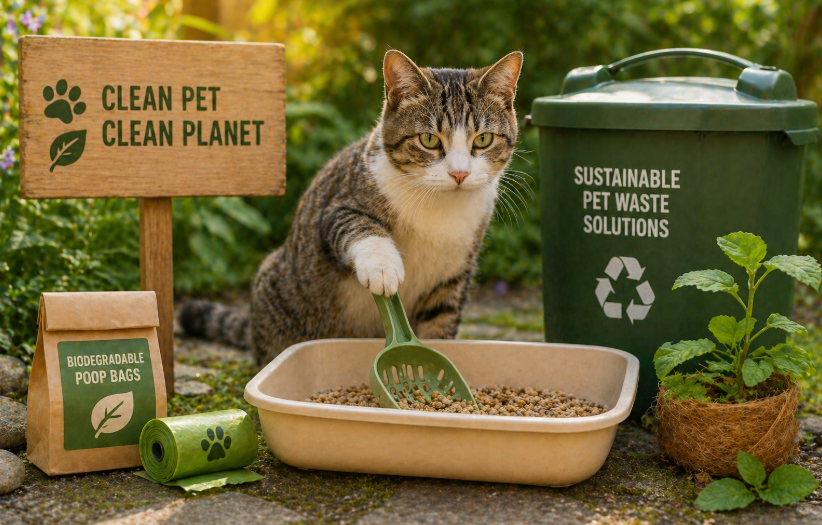
Understanding sustainable pet waste management is becoming more important as more pet owners look for eco-friendly ways to care for their animals. While pet ownership brings joy, it also creates environmental responsibilities. Managing waste properly helps reduce pollution and supports a cleaner, healthier environment. When you adopt sustainable pet waste management practices, you not only protect your surroundings but also contribute to long-term environmental balance.
Pet waste may seem harmless, yet it contains bacteria and nutrients that can harm ecosystems if not handled correctly. Without proper disposal, it can contaminate soil and water. Therefore, choosing sustainable pet waste management methods is a smart and responsible step for every pet owner.
Why Pet Waste Impacts The Environment
Pet waste can have a larger environmental impact than many people realize. It contains harmful bacteria and parasites that can enter water systems. When waste is left untreated, rainwater can carry these contaminants into rivers and lakes.
In addition, excess nutrients in pet waste can disrupt natural ecosystems. This imbalance may lead to algae growth, which reduces oxygen levels in water. As a result, aquatic life can suffer.
Because of these risks, sustainable pet waste management plays a crucial role in protecting natural resources. By handling waste responsibly, you reduce the chances of environmental damage.
Eco Friendly Disposal Methods For Pet Waste
Choosing eco-friendly disposal methods is a key part of sustainable pet waste management. One of the simplest options is using biodegradable bags. These bags break down more easily than traditional plastic, reducing long-term waste.
Another option involves designated pet waste bins that process waste safely. These systems help prevent contamination and keep public spaces clean. In some areas, composting systems designed for pet waste are also available.
However, it is important to use composting carefully. Pet waste should never be added to regular compost used for edible plants. Instead, specialized systems ensure safe decomposition.
The Role Of Biodegradable Products
Biodegradable products make sustainable pet waste management more accessible. Bags, liners, and disposal tools made from plant-based materials reduce plastic pollution. These alternatives decompose faster and leave less impact on the environment.
Using biodegradable options consistently helps reduce landfill waste. Over time, this small change can make a noticeable difference. In addition, many products are designed for convenience, making eco-friendly choices easier to maintain.
Switching to these products is a simple step toward more responsible pet care.
Safe Composting Practices For Pet Waste
Composting can be part of sustainable pet waste management when done correctly. Specialized pet waste composting systems are designed to handle the bacteria and pathogens found in waste.
These systems typically use heat and controlled conditions to break down harmful elements. As a result, the final product can be used safely for non-edible plants or landscaping.
It is important to follow guidelines carefully. Improper composting can lead to contamination rather than improvement. When done properly, composting reduces landfill waste and supports sustainability.
Reducing Waste Through Smarter Pet Care
Reducing waste at the source is another effective approach to sustainable pet waste management. Feeding your pet a high-quality diet can improve digestion and reduce waste output. Better nutrition often leads to firmer, easier-to-manage waste.
Regular exercise and health care also contribute to efficient digestion. Healthy pets produce less problematic waste, making cleanup easier and more sustainable.
For additional pet care strategies, you can explore helpful resources at https://www.wellnessonthegreen.com/ to improve overall pet wellness.
Managing Pet Waste In Urban Areas
Urban environments present unique challenges for sustainable pet waste management. Limited space and high population density make proper disposal even more important. Public areas require consistent cleanup to maintain cleanliness.
Using designated disposal bins and carrying waste bags during walks helps keep neighborhoods clean. Many cities provide specific guidelines for pet waste disposal, which should always be followed.
By staying responsible in shared spaces, pet owners contribute to a healthier community environment.
Health Benefits Of Proper Waste Management
Sustainable pet waste management is not only about the environment. It also protects human and animal health. Proper disposal reduces exposure to harmful bacteria and parasites.
Clean environments lower the risk of disease transmission. This is especially important in areas where children or other pets may come into contact with contaminated surfaces.
Maintaining hygiene through responsible waste handling ensures a safer living space for everyone.
Choosing The Right Tools And Products
Selecting the right tools supports effective sustainable pet waste management. Durable scoops, compostable bags, and sealed disposal containers all contribute to better handling.
High-quality tools make the process more efficient and reduce the likelihood of spills or contamination. Investing in reliable products also encourages consistency in waste management habits.
In addition, researching trusted guidelines from sources like https://www.epa.gov/ and https://www.petmd.com/ can help you make informed decisions.
Building Consistent Eco Friendly Habits
Consistency is essential for successful sustainable pet waste management. Making eco-friendly choices part of your daily routine ensures long-term impact. Carrying biodegradable bags and disposing of waste properly should become second nature.
In addition, educating family members about responsible practices helps maintain consistency. Small habits, when practiced regularly, lead to meaningful environmental benefits.
Over time, these actions create a positive impact on both local and global levels.
The Long Term Impact Of Sustainable Practices
Adopting sustainable pet waste management practices contributes to long-term environmental health. Reduced pollution, cleaner water systems, and healthier ecosystems are all benefits of responsible waste handling.
As more pet owners adopt these practices, the collective impact grows. This shift supports sustainability and encourages broader environmental awareness.
By taking small steps today, you help create a better future for both people and animals.
Conclusion
Sustainable pet waste management is an essential part of responsible pet ownership. While it may seem like a small task, proper waste handling has a significant impact on the environment and public health. By choosing eco-friendly methods, using biodegradable products, and maintaining consistent habits, you can reduce your environmental footprint.
Every action counts when it comes to sustainability. With thoughtful choices and simple changes, sustainable pet waste management becomes an easy and effective way to support a cleaner, healthier world.
FAQ
- What is the best way to dispose of pet waste sustainably?
Using biodegradable bags and designated waste systems is one of the safest options. - Can pet waste be composted safely?
Yes, but only in specialized composting systems designed for pet waste. - Why is pet waste harmful to the environment?
It contains bacteria and nutrients that can contaminate water and soil. - Are biodegradable bags better than plastic?
Yes, they break down faster and reduce long-term environmental impact. - How can I reduce my pet’s waste naturally?
Providing a healthy diet and regular care can improve digestion and reduce waste output.