
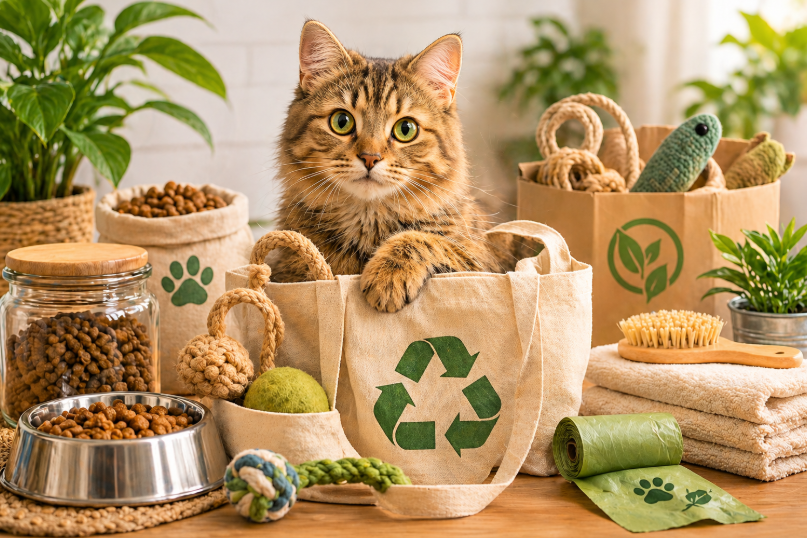
If you are looking for a practical way to reduce waste while caring for your pet, zero waste pet care is a smart and rewarding approach. Many pet owners do not realize how much waste daily routines can create, from plastic packaging to disposable products. However, with a few thoughtful changes, you can build a routine that benefits both your pet and the environment. Zero waste pet care is not about perfection, but about making better choices consistently over time.
Pets rely on us for everything, including food, grooming, and healthcare. Because of this, even small adjustments in your routine can have a meaningful impact. By focusing on reusable products, sustainable materials, and mindful consumption, zero waste pet care becomes easier than it seems. In fact, once you start, you may find that it simplifies your life while saving money in the long run.
Why A Sustainable Routine Matters
Creating a sustainable routine is not just about reducing trash. It also supports healthier living for your pet and your household. Many conventional pet products contain unnecessary packaging or low-quality materials that end up in landfills. When you switch to zero waste pet care, you begin to prioritize durability, safety, and long-term value.
Additionally, eco-friendly choices often reduce exposure to harmful chemicals. For example, natural grooming products and biodegradable waste bags are gentler on your pet and the environment. Over time, these small decisions create a healthier space for both you and your pet. As a result, zero waste pet care becomes a lifestyle rather than a one-time change.
Another important factor is awareness. Once you start paying attention to what you use daily, you naturally begin to question unnecessary waste. This shift in mindset makes it easier to adopt sustainable habits across other areas of your life as well.
Start With Pet Food Choices
One of the biggest contributors to waste is pet food packaging. Bags, cans, and plastic containers add up quickly over time. Therefore, choosing better options is a key step in zero waste pet care. Look for brands that offer recyclable or compostable packaging. Some companies even provide refill stations or bulk options, which significantly reduce waste.
Another approach is preparing some of your pet’s meals at home. While this requires research and planning, it allows you to control ingredients and reduce packaging. However, it is important to ensure that your pet’s diet remains balanced and meets nutritional needs. Consulting a veterinarian can help you make safe and effective choices.
Storage also plays a role. Instead of relying on disposable containers, use airtight glass or metal containers to keep food fresh. This simple change supports zero waste pet care while maintaining quality and reducing clutter in your home.
Switch To Reusable Grooming Products
Grooming is another area where waste can easily accumulate. Disposable wipes, plastic brushes, and single-use products are common but not necessary. By switching to reusable tools, you can maintain your pet’s hygiene without generating extra waste.
For instance, washable grooming cloths can replace disposable wipes. High-quality brushes made from sustainable materials last longer and perform better. Additionally, solid shampoos or refillable bottles reduce plastic use. These small changes make zero waste pet care more practical and cost-effective.
Regular grooming also improves your pet’s health. It helps prevent matting, reduces shedding, and allows you to check for skin issues early. Therefore, investing in durable grooming tools supports both sustainability and long-term care.
Reduce Waste In Daily Pet Supplies
Daily supplies such as toys, bedding, and accessories often come with unnecessary packaging and short lifespans. Instead of frequently replacing these items, focus on quality and longevity. Durable toys made from natural materials can last longer and are safer for your pet.
You can also repurpose household items. For example, old blankets can become pet bedding, and worn clothing can be turned into toys. This approach not only reduces waste but also adds a personal touch to your pet’s environment. Zero waste pet care encourages creativity and resourcefulness in everyday decisions.
When purchasing new items, choose brands that prioritize sustainability. Look for products made from recycled or biodegradable materials. Supporting these companies helps drive demand for eco-friendly options, making zero waste pet care more accessible for everyone.
Manage Pet Waste Responsibly
Handling pet waste is an essential part of any routine, and it is also an area where sustainable choices matter. Traditional plastic bags contribute significantly to environmental pollution. Switching to biodegradable or compostable alternatives is a simple yet impactful step.
In some cases, composting pet waste is an option, especially for herbivorous animals. However, it is important to follow proper guidelines to ensure safety. For most pet owners, using eco-friendly disposal methods is the most practical solution.
Litter choices also play a role. Natural litters made from materials like wood, corn, or paper are better for the environment compared to traditional clay options. They are often biodegradable and produce less dust, which benefits your pet’s health as well. These adjustments make zero waste pet care both effective and manageable.
Create A Sustainable Routine That Lasts
Consistency is key when building a routine that supports zero waste pet care. Instead of making drastic changes all at once, start with small, manageable steps. For example, switch one product at a time and observe how it fits into your daily life. Gradually, these changes become habits that feel natural and sustainable.
It is also helpful to track your progress. Noticing how much waste you reduce over time can be motivating. Additionally, involving your household in the process ensures that everyone contributes to the routine. This shared effort makes zero waste pet care easier to maintain.
Flexibility is important as well. Not every solution will work perfectly for every pet. Therefore, adjust your approach based on your pet’s needs and preferences. The goal is to create a balanced routine that works for both of you.
Common Challenges And How To Overcome Them
While zero waste pet care offers many benefits, it can come with challenges. Availability of sustainable products may vary depending on your location. However, online options and local eco-friendly stores are becoming more common. Planning ahead can help you find suitable alternatives.
Cost is another concern for some pet owners. Although eco-friendly products may seem more expensive initially, they often last longer and provide better value. Over time, this reduces the need for frequent replacements, making zero waste pet care more economical.
Time and effort can also feel overwhelming at first. However, once you establish a routine, it becomes second nature. The key is to focus on progress rather than perfection. Even small changes contribute to a larger impact.
Conclusion
Building a routine centered around zero waste pet care is a meaningful step toward a more sustainable lifestyle. By making thoughtful choices in food, grooming, supplies, and waste management, you can reduce your environmental impact while improving your pet’s quality of life. Although the process may take time, the benefits are clear and long-lasting.
Zero waste pet care is not about eliminating all waste overnight. Instead, it is about creating a system that works for you and your pet. With patience, creativity, and consistency, you can build a routine that supports both sustainability and well-being. In the end, these small efforts add up to a healthier home and a happier pet.
FAQ
- What is the easiest way to start a sustainable pet routine?
Begin by replacing one disposable product with a reusable alternative, such as switching to washable grooming cloths. - Are eco-friendly pet products safe for all animals?
Most are safe, but always check ingredients and consult your vet when introducing new products. - Can I make my own pet food at home?
Yes, but ensure it meets nutritional requirements by consulting a veterinarian before making changes. - How do I reduce waste from pet toys?
Choose durable toys or repurpose household items like old fabric to create new ones. - Is sustainable pet care expensive?
It may cost more upfront, but long-lasting products often save money over time.