
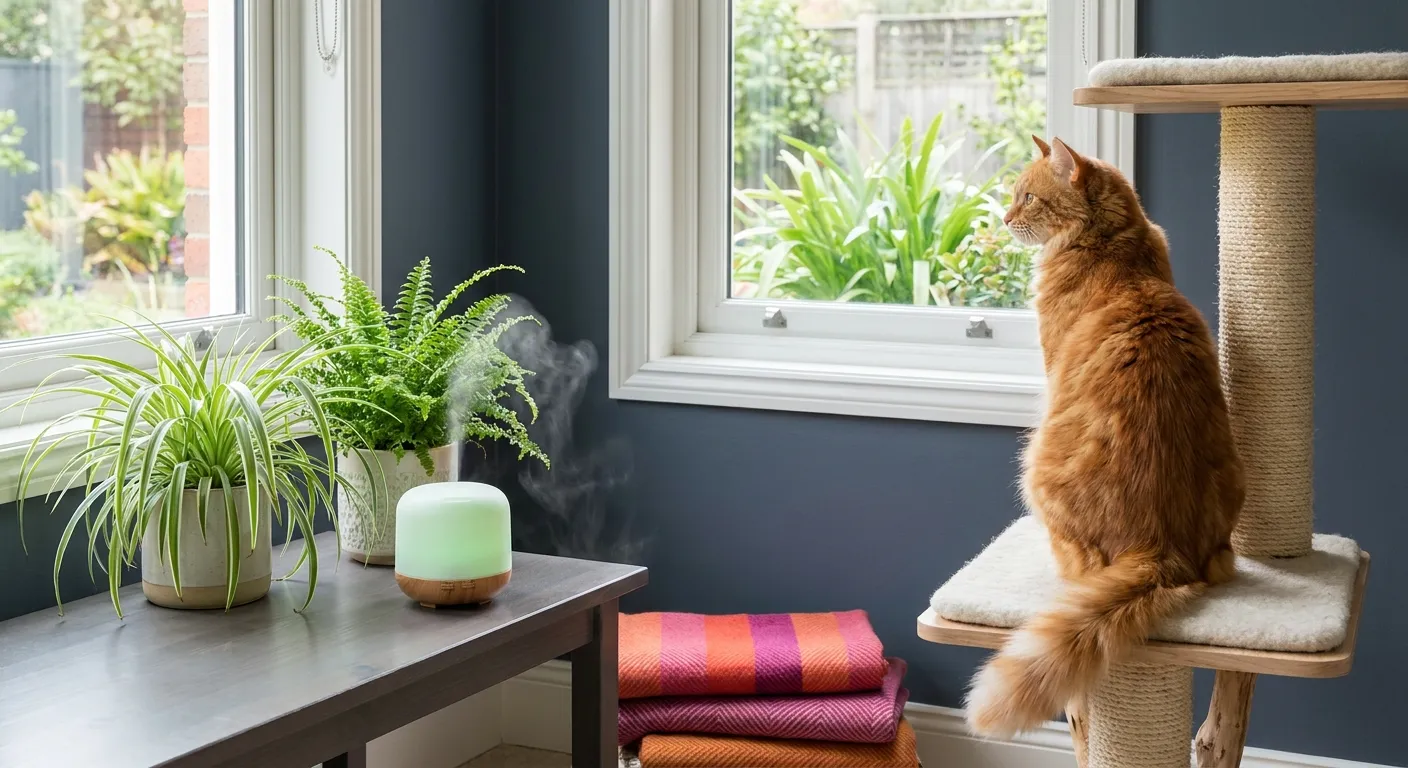
Our homes are filled with countless products designed for human comfort and cleanliness. However, many of these items can introduce harmful toxins into your cat’s living space. Taking steps to Detox Your Cat’s Environment is a crucial part of supporting their long-term health. This effort prevents various ailments, ranging from respiratory issues to skin irritations and even more serious conditions. Notably, cats are particularly susceptible to environmental toxins because they groom themselves frequently. As a result, they often ingest whatever settles on their fur.
Understanding the Impact of Environmental Toxins on Cats
Cats are not just small humans; their physiology differs significantly, making them uniquely vulnerable to certain chemicals. For instance, their livers metabolize substances differently. This means they struggle to process many compounds that humans might tolerate. Consequently, even small exposures can accumulate over time, leading to chronic health problems. Their small body size also means a lower threshold for toxic effects. Furthermore, their innate curiosity often leads them to explore and taste things around the house, increasing their risk of exposure. Therefore, understanding these vulnerabilities is key to protecting our feline companions.
The Science Behind Feline Sensitivity to Toxins
Feline metabolism, particularly the glucuronidation pathway, is less efficient than in other species. This pathway is vital for detoxifying many common chemicals found in household products. Without proper detoxification, these substances linger in a cat’s system, causing cellular damage and inflammation. Moreover, cats spend a significant portion of their lives grooming. This behavior inadvertently turns their fur into a magnet for airborne particles and residues from surfaces. When they groom, they ingest these toxins directly. This makes reducing environmental pollutants even more critical for their well-being.
Identifying Common Household Toxins Affecting Cats
Many everyday items can be problematic for your cat. Cleaning products containing harsh chemicals like ammonia, bleach, and phthalates often leave residues that cats walk on and subsequently ingest. Air fresheners, scented candles, and plug-ins release volatile organic compounds (VOCs). These compounds can seriously irritate feline respiratory systems. Pesticides used for bug control, even those applied outdoors, can easily be tracked inside on shoes or paws. Furthermore, certain plants commonly found in homes, such as lilies or sago palms, are highly toxic if ingested by cats. Being aware of these hidden dangers is the first fundamental step towards creating a safer space for your furry friend.
Household Cleaners and Their Dangers
Many conventional cleaning agents contain ingredients like phenols, formaldehyde, and chlorine. These can cause chemical burns, gastrointestinal upset, and respiratory distress in cats. For example, floor cleaners leave residues that cats absorb through their paw pads or ingest during grooming. Similarly, toilet bowl cleaners can release fumes that are harmful. Therefore, it is essential to scrutinize the labels of all your cleaning products. Opting for non-toxic alternatives is a much safer choice. You can learn more about Eco Friendly Cat Grooming Tips, which often involves considering the products used in the home environment.
Air Quality Pollutants
Beyond cleaning products, indoor air quality is a major concern. Aerosol sprays, synthetic fragrances from laundry detergents, and even fumes from new furniture or carpets can release VOCs. These airborne chemicals can trigger asthma-like symptoms and other respiratory problems in sensitive cats. In fact, studies have shown a link between indoor air pollution and increased incidence of feline respiratory disease. Improving indoor air quality is a key component when you plan to help Detox Your Cat’s Environment.
Pesticides and Herbicides
Whether used for ants inside or for lawn care outside, pesticides pose a significant threat. Cats can come into direct contact with treated areas or ingest residues from their fur. Common active ingredients like organophosphates, carbamates, and pyrethroids are highly toxic to felines. Even flea and tick products designed for dogs can be deadly if applied to cats due to differing chemical sensitivities. Always consult your veterinarian before using any pest control product around your cat.
Toxic Plants and Foods
Many common houseplants are toxic to cats, including lilies, azaleas, tulips, daffodils, and even aloe vera. Ingesting these can lead to symptoms ranging from mild gastrointestinal upset to kidney failure and death. Additionally, certain human foods like chocolate, onions, garlic, and grapes are highly dangerous for cats. Always keep toxic plants and foods out of reach. For more information on safe nutrition, consider our guide on Balanced Natural Cat Nutrition Made Simple.
Practical Steps to Detox Your Cat’s Environment
Making your home safer for your cat involves several key strategies. Firstly, switch to natural, pet-safe cleaning products. Alternatively, you can make your own using simple, non-toxic ingredients like vinegar and baking soda. Secondly, significantly improve air quality by using air purifiers with HEPA filters. Crucially, avoid synthetic fragrances entirely; instead, opt for natural ventilation or, if absolutely necessary, pet-safe essential oil diffusers used sparingly and carefully. Thirdly, choose pet-friendly houseplants. Fourthly, be extremely mindful of pest control. Select natural, non-toxic options where possible. Finally, regularly vacuum and dust to remove accumulating chemical residues and allergens. These steps collectively help to Detox Your Cat’s Environment effectively.
Embracing Natural Cleaning Solutions
Transitioning to natural cleaners is one of the most impactful changes you can make. White vinegar, baking soda, lemon juice, and castile soap are excellent, safe alternatives. For instance, a mixture of vinegar and water makes a great all-purpose cleaner. Baking soda can deodorize carpets and litter boxes. There are also many commercially available