Adequate hydration is fundamental to your cat’s health. Many felines, however, don’t drink enough water. This often leads to chronic dehydration and associated health problems, particularly kidney issues. Mastering Hydration for Cats Natural methods is crucial. These methods support their vitality and prevent common ailments. Cats evolved from desert-dwelling ancestors, primarily getting their moisture from prey. Consequently, they are less inclined to drink standing water.
Understanding this evolutionary background is key. It helps us appreciate why our modern domestic cats struggle with hydration. Their bodies are designed to conserve water efficiently. Nevertheless, this natural adaptation can be detrimental in a home environment, especially with certain diets. Therefore, active intervention from cat owners becomes essential.
Why Hydration for Cats Natural is Important for Feline Wellness
Cats on a dry kibble diet are especially vulnerable to dehydration. Kibble, in fact, contains very little moisture. Chronic dehydration can strain their kidneys, contribute to urinary tract infections, and impact overall organ function. By actively encouraging your cat to drink more, you support healthy kidney function. Moreover, it aids digestion and helps flush toxins from their system. A well-hydrated cat generally has better energy levels, a healthier coat, and a more robust immune system. In short, focusing on feline hydration is a cornerstone of their overall wellness.
The kidneys, specifically, bear the brunt of insufficient water intake. Over time, this can lead to serious conditions like chronic kidney disease. Furthermore, proper hydration helps maintain a healthy urinary tract. This reduces the risk of painful and recurring infections. Digestion also benefits significantly. Water helps move food through the digestive system and absorb nutrients effectively. Therefore, promoting natural hydration for cats is not just about preventing illness; it’s about fostering vibrant, long-term health.
Understanding Your Cat’s Unique Hydration Needs
Cats are notoriously finicky drinkers. Their preferences can vary widely. Some cats prefer running water, while others like still water. The type of bowl also matters. Plastic bowls can sometimes impart an undesirable taste. In contrast, ceramic, glass, or stainless steel bowls are often preferred. The location of the water bowl is another important factor. Cats generally prefer their water source to be separate from their food bowl. This preference likely stems from their wild instincts, where a kill might contaminate a water source. Consequently, observing your cat’s individual habits and preferences is vital for successful cat behavior enrichment regarding water intake.
Age and activity level also influence a cat’s hydration requirements. Kittens and senior cats may have different needs. Similarly, very active cats might require more water than sedentary ones. Certain health conditions, such as diabetes or hyperthyroidism, can also increase a cat’s thirst. If you notice a significant change in your cat’s drinking habits, it’s always wise to consult your veterinarian. They can help rule out any underlying medical issues. Ultimately, tailoring your approach to your cat’s specific needs will yield the best results for their balanced natural cat nutrition.
Effective Ways to Boost Feline Water Intake Naturally
1. Switch to High-Quality Wet Food
This is arguably the most impactful change you can make for Hydration for Cats Natural. High-quality wet food provides a significant portion of a cat’s daily water needs. It closely mimics their natural diet, which typically consists of prey that is 70-80% water. This shift alone can dramatically improve their hydration status. When choosing wet food, look for options with whole ingredients and minimal fillers. Consider exploring various brands and flavors to find what your cat enjoys most. This approach aligns perfectly with promoting natural cat diets vets actually recommend. You can find more insights on this at Natural Cat Diets Vets Actually Recommend.
2. Provide Multiple and Diverse Water Sources
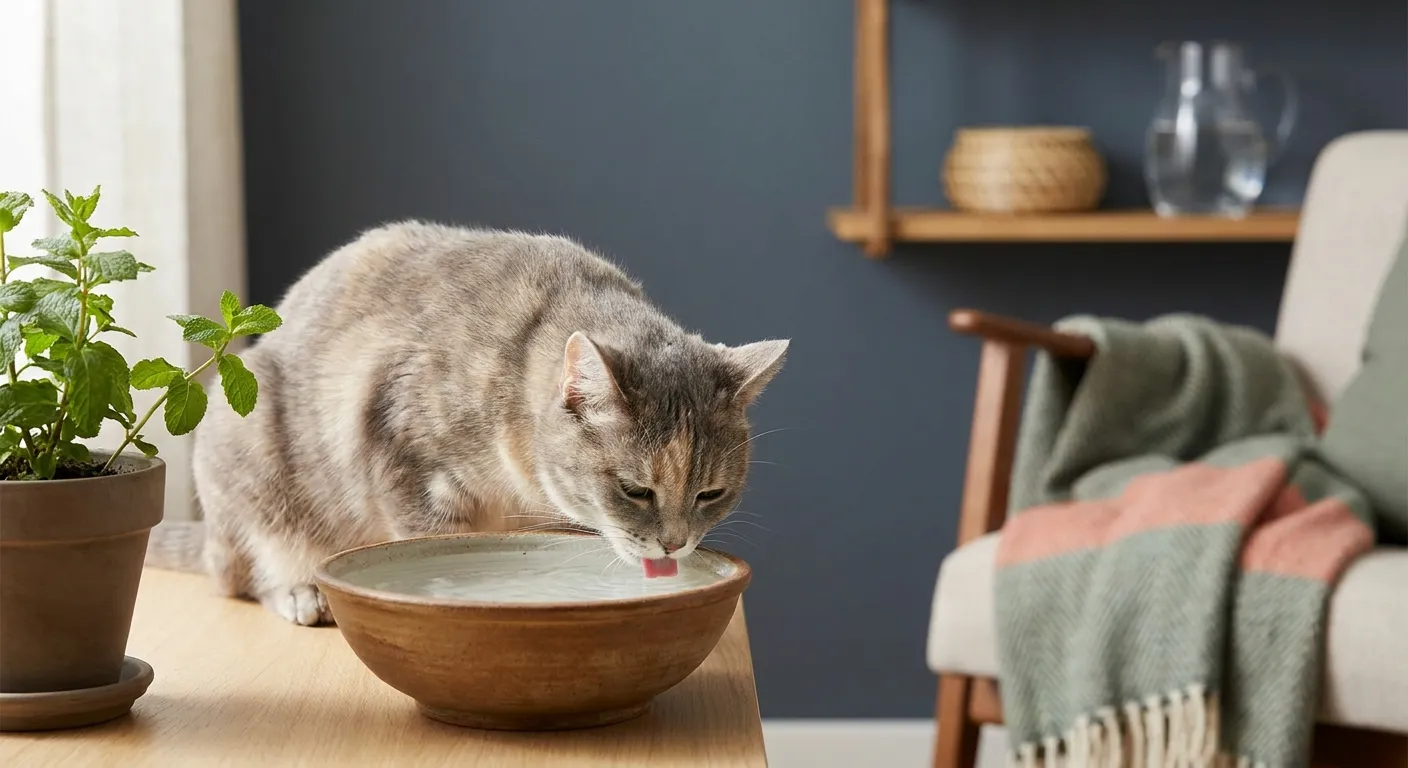
Offer water in various locations throughout your home. Use different types of bowls; ceramic, glass, and stainless steel are often preferred over plastic. Some cats, in fact, prefer wide, shallow bowls that don’t touch their whiskers. Others might enjoy a taller bowl. Experiment with placement too. Try putting bowls in quiet corners, near their favorite resting spots, or even in unexpected places. The goal is to make water easily accessible and appealing wherever your cat roams. This simple strategy significantly encourages more frequent drinking.
3. Introduce a Water Fountain
Many cats are attracted to moving water. They often find it more appealing and fresher than stagnant water. A pet fountain can significantly increase their interest in drinking. The bubbling or flowing water mimics a natural stream, which instinctually signals freshness to a cat. There are many types of fountains available, from ceramic to stainless steel. Choose one that is easy to clean and has a good filtration system. Regularly cleaning the fountain and replacing its filter is essential to maintain water quality and encourage consistent use. This is a highly effective method for improving eco-friendly cat grooming habits, as a healthy cat has a healthier coat.
4. Add Moisture to Existing Food
For cats primarily on kibble, adding a small amount of plain water or low-sodium bone broth to their dry food can increase moisture intake. Ensure the bone broth contains no onion or garlic, as these are toxic to cats. Start with a small amount and gradually increase it. This softens the kibble, making it more palatable for some cats, and stealthily adds hydration. This method is particularly useful during the transition period if you’re moving your cat from an exclusively dry diet to one with more moisture. It’s a gentle way to introduce more water without drastically changing their routine.
5. Make Water Appealing and Fresh
Always keep water bowls spotlessly clean. Change the water at least once daily, or even twice. Stagnant, dusty water is unappealing to cats. Some cats enjoy a small ice cube in their water, especially in warmer weather. The coolness can be refreshing. Additionally, consider using filtered water if your tap water has a strong chemical smell or taste. Cats have a keen sense of smell, and off-putting odors can deter them from drinking. Ensuring the water is fresh and clean is paramount for encouraging consistent hydration. This attention to detail is crucial for maintaining optimal Hydration for Cats Natural.
6. Consider Water-Rich Treats and Supplements
Beyond their main meals, you can offer water-rich treats. Small pieces of cooked, plain meat or fish can provide moisture. Some cats enjoy specific cat-safe vegetables, like a tiny bit of cooked squash, which also adds moisture. There are also hydration-focused supplements available, often in liquid or gel form. These can be added to food or given directly. Always consult your veterinarian before introducing any new supplements. They can advise on the best options for your cat’s specific needs and health status. These supplementary methods can further enhance feline water intake.
Monitoring Your Cat’s Hydration Levels
It’s important to know how to recognize signs of dehydration in your cat. A simple pinch test can offer a quick indicator. Gently lift the skin between your cat’s shoulder blades. If your cat is well-hydrated, the skin should snap back into place almost immediately. If it returns slowly, your cat might be dehydrated. Other signs include lethargy, sunken eyes, dry gums, and a decreased appetite. Reduced urination is also a red flag. If you observe any of these symptoms, contact your veterinarian promptly. Early detection and intervention are crucial for preventing more serious health complications related to insufficient Hydration for Cats Natural.
Keeping a close eye on your cat’s litter box habits can also provide clues. A sudden decrease in urine clumps or an increase in the frequency of very small clumps could indicate dehydration. Conversely, excessive urination might signal other underlying health issues. Therefore, regular observation of their habits is a key component of proactive cat care. Understanding these subtle signs empowers you to act quickly, ensuring your feline friend remains healthy and well-hydrated. This vigilance is an important part of holistic cat care.
Addressing Common Hydration Challenges
Some cats are particularly resistant to increasing their water intake. For these felines, creativity is key. Try offering different types of water, such as spring water or filtered water, if tap water is consistently ignored. Some cats respond well to small amounts of tuna juice (in water, not oil) mixed into their water bowl, or even a tiny splash of low-sodium chicken broth. However, these should be used sparingly to avoid making water taste boring by comparison. For picky eaters, ensuring their main diet is rich in moisture through wet food is paramount. Sometimes, simply changing the location of the water bowl can make a significant difference. Moving it away from high-traffic areas or noisy appliances might encourage a shy drinker. Persistence and patience are essential when facing these challenges. Remember, every small victory in boosting feline water intake contributes to their long-term health.
Environmental factors can also play a role. During warmer months, cats naturally need more water. In such cases, ensuring cool, fresh water is always available becomes even more critical. Similarly, if your cat is experiencing stress, their drinking habits might change. Addressing cat sleep stress or other anxiety triggers can indirectly help normalize their hydration routines. A calm and comfortable environment encourages healthy habits. Consulting with a vet or a feline behaviorist can offer tailored strategies for stubborn cases. Ultimately, a holistic approach that considers diet, environment, and individual preferences is most effective for promoting optimal Hydration for Cats Natural.
The Long-Term Benefits of Optimal Feline Hydration
Prioritizing your cat’s hydration offers profound long-term benefits. Beyond preventing kidney disease and urinary tract issues, proper water intake supports overall cellular function. Every cell in your cat’s body relies on water to perform its tasks efficiently. This includes nutrient transport, waste removal, and temperature regulation. A well-hydrated cat generally exhibits more energy, a brighter disposition, and a healthier coat and skin. Their immune system also functions more robustly, making them more resilient to illness. Furthermore, good hydration aids in maintaining a healthy weight, as wet food is often more satiating than dry kibble, helping to prevent overeating.
Investing time and effort into ensuring your cat drinks enough water is one of the most impactful things you can do for their well-being. It’s a proactive measure that can significantly extend their healthy lifespan and improve their quality of life. From improved digestion to better joint health, the advantages are numerous and far-reaching. By consistently applying the natural hydration strategies discussed, you are not just providing water; you are nurturing vitality and fostering a thriving, healthy feline companion. This commitment to their health is a true reflection of responsible pet ownership. For more on overall well-being, consider exploring Natural Cat Allergy Remedies That Work Fast, as gut health is closely tied to hydration.
Conclusion
Prioritizing Hydration for Cats Natural methods is a cornerstone of responsible feline care. By understanding your cat’s unique hydration needs and implementing creative solutions, you can help them maintain optimal health and enjoy a vibrant life. Small, consistent efforts can make a big difference in preventing serious health issues. Always consult your veterinarian if you have concerns about your cat’s hydration levels. Their professional guidance ensures your cat receives the best possible care, tailored to their individual requirements. Empowering your cat with proper hydration is one of the greatest gifts you can give them.
FAQ
What are the best ways to encourage my cat to drink more water?
The most effective methods include switching to wet food, providing multiple water sources in different bowls, using a pet water fountain, adding water or low-sodium broth to their food, and keeping all water bowls meticulously clean and fresh. Experiment to find what your cat prefers.
Why do cats often avoid drinking enough water?
Cats have a low thirst drive due to their evolutionary history as desert animals, primarily obtaining moisture from their prey. They may also dislike stagnant water, the taste of tap water, or the type of bowl provided.
Can dehydration lead to serious health problems in cats?
Yes, chronic dehydration can lead to several serious issues. These include kidney disease, urinary tract infections, bladder stones, constipation, and overall organ dysfunction. Ensuring adequate water intake is crucial for preventing these conditions.
How can I tell if my cat is dehydrated?
Signs of dehydration include lethargy, sunken eyes, dry or tacky gums, loss of skin elasticity (skin tenting after being gently pinched), and decreased urination. If you suspect dehydration, contact your veterinarian immediately.
Is a water fountain truly better than a bowl for feline hydration?
Many cats are more attracted to moving water than still water. A fountain mimics a natural, fresh water source, which can significantly encourage them to drink more frequently. However, some cats prefer bowls, so offering both options can be beneficial.
Are there certain foods that can help with cat hydration?
High-quality wet cat food is the best dietary choice for hydration, as it contains a high percentage of moisture. You can also offer small amounts of plain, cooked chicken or fish, which are naturally water-rich. Ensure any additions are safe for cats and free of harmful ingredients like onion or garlic.