In our increasingly eco-conscious world, the choices we make for our homes extend to our beloved pets. Creating an eco-friendly cat home is a powerful step towards ensuring your feline’s long-term health and contributing positively to the planet. This holistic approach aligns with the growing trend of sustainable living, acknowledging that a healthy environment for us means a healthy environment for our cats. Furthermore, it reflects a deeper understanding of feline well-being, moving beyond basic care to encompass their entire living space.
Why Your Cat’s Environment Matters for Holistic Health
Cats, as primarily indoor creatures, spend the vast majority of their lives within our homes. This means they are constantly exposed to the air we breathe, the surfaces we clean, and the products we use. Unfortunately, many conventional household items contain chemicals that can be harmful to felines. Cats are particularly sensitive due to their smaller size, diligent grooming habits, and unique physiology. A truly holistic wellness approach, therefore, considers every aspect of your cat’s surroundings, from the air quality to the materials of their toys. In fact, a clean, natural environment can significantly reduce their exposure to potential allergens and toxins, supporting their overall vitality. For more on this, consider exploring how Cat Allergies and Gut Issues Vets Diagnose often stem from environmental factors.
Detoxing Your Cleaning Routine for a Greener Cat Space
One of the easiest and most impactful ways to create an eco-friendly cat home is to overhaul your cleaning regimen. Many commercial cleaning products contain volatile organic compounds (VOCs), phthalates, and ammonia. These substances can irritate your cat’s respiratory system and skin, or even be toxic if ingested during grooming. Fortunately, effective natural alternatives are readily available. By switching to these, you significantly reduce your cat’s exposure to harmful chemicals, improving air quality and ensuring safer surfaces for them to walk, sleep, and play on.
- Vinegar and Baking Soda: These pantry staples are powerful, non-toxic cleaners for surfaces, drains, and odors. For example, a mixture of white vinegar and water makes an excellent all-purpose spray.
- Castile Soap: A versatile, plant-based cleaner for various household tasks. Its concentrated nature means a little goes a long way.
- Cat-Safe Essential Oils: While many essential oils are toxic to cats, a select few, when properly diluted and diffused (e.g., frankincense, lavender in very low concentrations, away from direct contact), can be used safely for scent or their antimicrobial properties. Always research thoroughly and consult a holistic vet before introducing any essential oils into your cat’s environment.
Safe Pest Control & Garden Practices for a Natural Habitat
Beyond cleaning products, consider natural pest control methods. Instead of harsh chemical sprays, use diatomaceous earth for fleas (food-grade only, applied carefully) or natural deterrents. Moreover, if you have a garden, ensure any plants your cat might encounter are non-toxic. Avoid chemical pesticides or herbicides, which can easily be tracked indoors on paws and fur. Furthermore, choosing organic gardening practices helps create a healthier outdoor space that complements your sustainable cat living efforts.
Sustainable Choices for Cat Essentials: Building a Natural Cat Haven
The move towards human-grade and organic ingredients in pet food extends to other cat essentials. Cat owners are increasingly seeking high-quality, transparent products. Making sustainable choices for litter, food bowls, toys, and beds further solidifies your eco-friendly cat home. Indeed, every product choice contributes to your cat’s overall well-being and reduces their environmental impact.
Eco-Friendly Litter Options
Conventional clay litters are often strip-mined and do not biodegrade. They also contain silica dust, which can be irritating for both humans and felines. Consequently, many sustainable alternatives offer better health and environmental benefits:
- Recycled Paper: Made from post-consumer paper, it’s highly absorbent and biodegradable.
- Wood Pellets/Sawdust: Often a byproduct of sustainable forestry, these litters are naturally absorbent and compostable.
- Corn/Wheat-Based: These natural litters are clumping and biodegradable, though some cats may be sensitive to the dust.
- Walnut Shell: A newer option, walnut shell litter is highly absorbent, odor-controlling, and biodegradable.
When selecting litter, always prioritize dust-free options to protect your cat’s respiratory health. Also, consider the journey of these products; supporting Ethical Sourcing Pet Products and Why It Matters is crucial for a truly sustainable lifestyle.
Natural Food Bowls and Water Dishes
Plastic bowls can leach chemicals into your cat’s food and water, especially if scratched or heated. They can also harbor bacteria, leading to feline acne. Therefore, opt for safer, more sustainable materials:
- Stainless Steel: Durable, easy to clean, non-porous, and recyclable.
- Ceramic: Heavy and stable, ceramic bowls are also non-porous and easy to sanitize. Ensure they are lead-free.
- Glass: Non-porous and easy to clean, but can be breakable.
Clean your cat’s bowls daily to prevent bacterial growth. This simple step is vital for their digestive health, aligning with principles of Balanced Natural Cat Nutrition Made Simple.
Sustainable Cat Toys and Beds
Many cat toys are made from synthetic materials, which can contain chemicals and often end up in landfills. Similarly, traditional cat beds might use synthetic fillers. Instead, seek out:
- Natural Fiber Toys: Look for toys made from wool, hemp, organic cotton, or untreated wood. These are safer if ingested and biodegrade more easily.
- Recycled/Upcycled Toys: Some brands create toys from recycled plastics or upcycled materials, giving new life to waste.
- DIY Toys: Simple toys made from cardboard, toilet paper rolls, or fabric scraps can provide endless entertainment.
- Organic Beds: Choose beds with organic cotton, wool, or hemp covers and natural fillings like buckwheat hulls or recycled PET fibers. These choices contribute to creating an overall healthier eco-friendly cat home.
Improving Indoor Air Quality for Feline Well-being
Indoor air quality is paramount for your cat’s respiratory health. Poor air quality can exacerbate allergies and lead to respiratory issues. Fortunately, several natural methods can help improve the air inside your eco-friendly cat home.
- Ventilation: Regularly open windows to allow fresh air to circulate, especially after cleaning or cooking.
- Air Purifiers: HEPA filter air purifiers can effectively remove dust, dander, and other airborne allergens.
- Pet-Safe Plants: Certain houseplants can help filter toxins from the air. Examples include Boston ferns, spider plants, and Areca palms. Always research to ensure any plant you bring into your home is non-toxic to cats. A comprehensive list can be found on reputable sites like the ASPCA.
- Avoid Scented Products: Steer clear of synthetic air fresheners, scented candles, and plug-ins, which release VOCs and can be harmful to your cat’s sensitive respiratory system.
Reducing Your Cat’s Carbon Paw Print
Our pets, like us, have a carbon footprint. By making conscious choices, you can significantly reduce your cat’s environmental impact, which is a key component of maintaining an eco-friendly cat home. This goes beyond just products and extends to consumption habits.
- Sustainable Food Choices: Consider cat food brands that prioritize sustainable sourcing, use insect protein, or offer vegetarian/vegan options (under veterinary guidance). Furthermore, understanding Natural Cat Food Comparison Homemade vs Store Bought can help you make informed decisions.
- Minimizing Waste: Choose products with minimal packaging or recyclable packaging. Buy in bulk when possible to reduce packaging waste.
- Adoption: Adopting a cat from a shelter or rescue organization helps reduce the demand for breeding and supports animal welfare.
- Spay/Neuter: This practice helps control pet overpopulation, reducing the number of homeless animals.
For more detailed information on this topic, you can read about the Pet Carbon Footprint and Its Environmental Impact.
Water Conservation and Waste Management
A truly sustainable approach to pet care also involves smart water usage and effective waste management. This ensures that your efforts for an eco-friendly cat home extend to broader environmental impacts.
- Water-Efficient Cleaning: When cleaning cat areas, use water sparingly. For instance, instead of letting the tap run, fill a basin for rinsing.
- Composting Cat Waste: If you use compostable litter, explore local regulations for composting pet waste. Some municipal composting facilities accept it, or you might create a dedicated pet waste compost system. Never add pet waste to your regular garden compost.
- Reusable Solutions: Opt for reusable cleaning cloths instead of disposable wipes.
These small changes collectively contribute to a larger positive impact on the environment. Understanding water consumption and waste disposal is an integral part of holistic pet care.
Feline Wellness and a Natural Environment
Beyond physical products, an eco-friendly cat home also considers the mental and emotional well-being of your feline friend. A natural, stimulating environment is crucial for their overall health.
- Natural Light: Provide access to natural light and views of the outdoors, which can greatly enhance a cat’s mood and natural circadian rhythms.
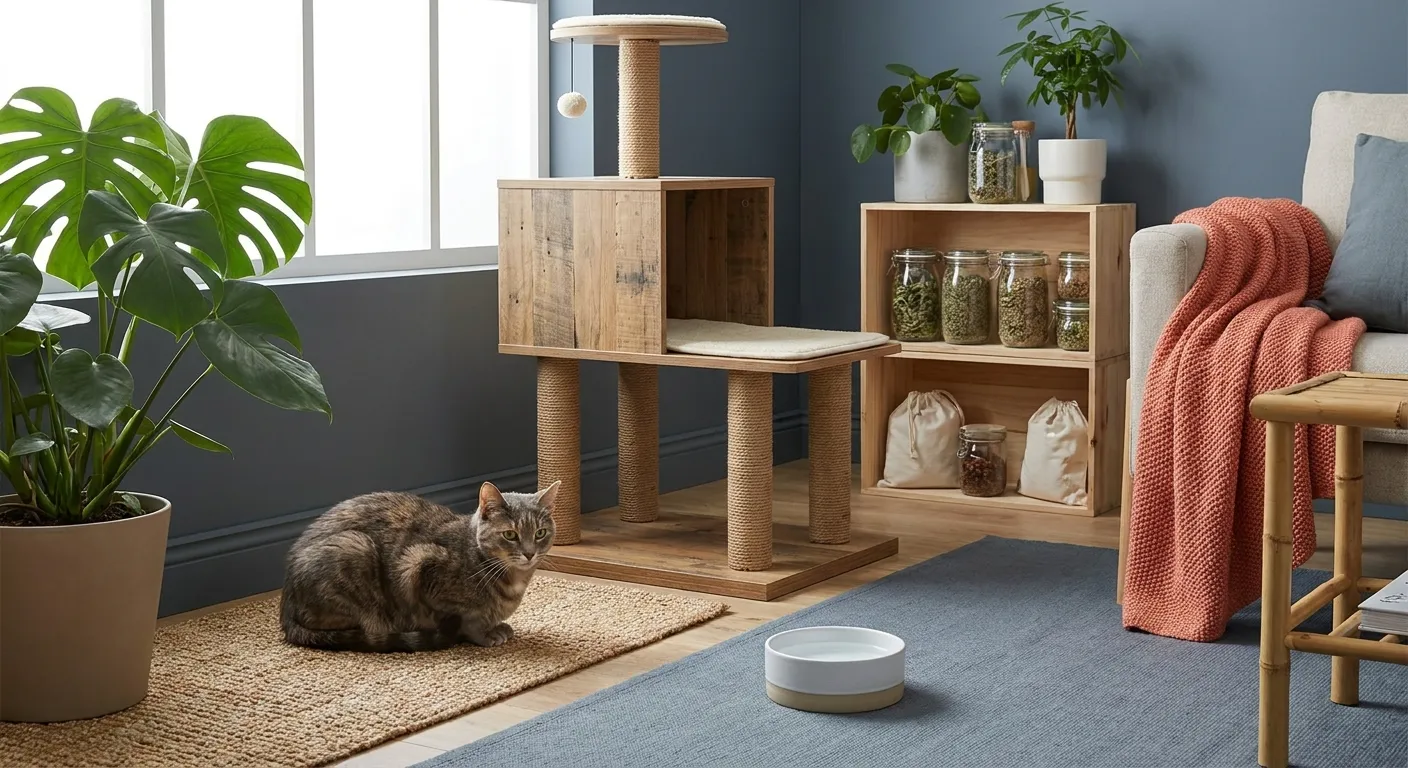
- Enrichment with Nature: Incorporate natural elements into their play. Think cat trees made from real branches or scratching posts wrapped in natural sisal. Providing adequate Cat Behavior Enrichment Ideas That Work Fast is key for a happy cat.
- Quiet Spaces: Ensure your cat has quiet, natural retreats where they can rest undisturbed, away from household noise and activity. This can help prevent Cat Sleep Stress and Why Rest Gets Disrupted.
A holistic approach acknowledges that a cat’s environment impacts their stress levels, physical activity, and overall happiness. By creating a stimulating yet calm space, you are fostering true feline wellness.
The Long-Term Benefits of a Sustainable Cat Lifestyle
Embracing an eco-friendly approach to cat care offers numerous long-term benefits for both your feline companion and the planet. For your cat, it means reduced exposure to toxins, improved air quality, and a healthier living space. This can lead to fewer allergies, better respiratory health, and a stronger immune system. For instance, many common ailments can be mitigated by a cleaner environment. Furthermore, this lifestyle promotes a deeper connection between you and your pet, fostering a sense of responsible guardianship.
For the planet, your choices contribute to less landfill waste, reduced chemical pollution, and more sustainable manufacturing practices. Every small step, from choosing biodegradable litter to opting for natural cleaning products, adds up to a significant positive impact. Consequently, by creating an eco-friendly cat home, you are not just caring for your pet; you are actively participating in a global movement towards a healthier, more sustainable future for all living beings. This commitment extends beyond individual household choices, influencing broader industry trends and promoting a more conscious consumer market. You can learn more about eco-friendly practices from organizations like the U.S. Environmental Protection Agency (EPA) for general guidance on greener products, and for specific pet-related sustainability tips, resources like the Humane Society of the United States often provide valuable insights.
Conclusion: A Healthier Future for Felines and the Planet
Creating an eco-friendly cat home is more than just a trend; it’s a commitment to holistic feline health and environmental stewardship. By making conscious choices about cleaning products, cat essentials, air quality, and waste management, you can significantly improve your cat’s well-being while reducing your household’s ecological footprint. This journey towards sustainable living with your cat is both rewarding and impactful. Ultimately, a healthy planet supports healthy cats, and our role as responsible pet owners is to nurture both. Start today by making small, sustainable changes, and watch your feline companion thrive in their healthier, greener home.
FAQ: What does an eco-friendly cat environment entail?
An eco-friendly cat environment involves using natural, non-toxic cleaning products, choosing sustainable and ethically sourced cat essentials (like litter, toys, and beds), improving indoor air quality, and minimizing your cat’s overall carbon footprint. It focuses on creating a safe, healthy, and natural living space for your feline while being mindful of environmental impact.
FAQ: How can I make my cat’s litter box more sustainable?
To make your cat’s litter box more sustainable, switch from conventional clay litter to biodegradable alternatives such as recycled paper, wood pellets, corn, wheat, or walnut shell litters. Also, consider using a litter box made from recycled materials and explore local options for composting pet waste.
FAQ: Are natural cleaning products truly safe for cats?
Yes, many natural cleaning products like vinegar, baking soda, and Castile soap are significantly safer for cats than conventional chemical cleaners. They reduce exposure to harmful VOCs and toxins. However, always research any essential oils you consider using, as many are toxic to felines.
FAQ: What types of cat toys are best for a sustainable home?
For a sustainable cat home, choose toys made from natural fibers like wool, hemp, or organic cotton. Recycled or upcycled toys are also excellent choices. DIY toys made from simple household items like cardboard rolls can also provide engaging, eco-friendly entertainment.
FAQ: How does my cat’s diet relate to an environmentally friendly household?
Your cat’s diet relates to an environmentally friendly household through the sourcing and production of their food. Opt for cat food brands that prioritize sustainable ingredients, ethical sourcing, and minimal packaging. Considering options like insect protein or understanding the environmental impact of various protein sources can further reduce your cat’s dietary paw print.
FAQ: How can I improve the air quality in my cat’s living space naturally?
Improve air quality by regularly ventilating your home, using HEPA air purifiers, and incorporating pet-safe plants like spider plants or Boston ferns. Crucially, avoid synthetic air fresheners, scented candles, and plug-ins, which release harmful chemicals into the air.