
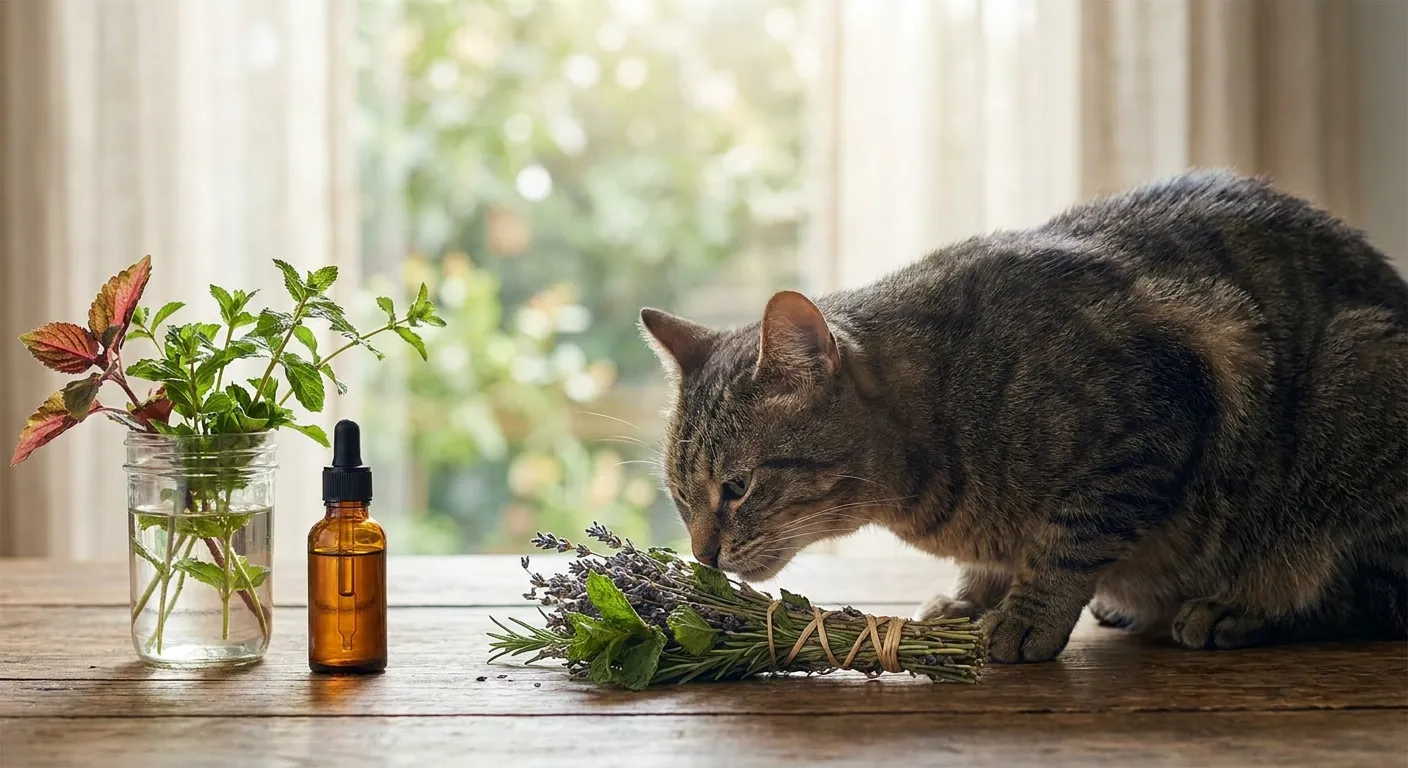
Dealing with fleas and ticks is an unavoidable part of pet ownership, but many conventional treatments come with concerns about harsh chemicals. For cat owners, finding Natural Pest Control for Cats is a priority to protect their beloved companions without compromising their health. Holistic approaches focus on prevention and safe, non-toxic methods to keep parasites at bay. Indeed, prioritizing your cat’s well-being means exploring alternatives that align with a natural lifestyle. This guide will help you navigate the best options for a pest-free home.
The Risks of Chemical Pest Control for Felines
Many popular flea and tick treatments contain potent insecticides that, while effective, can pose risks to your cat’s neurological and dermatological health. Cats are particularly sensitive due to their meticulous grooming habits, often ingesting residues from their fur. For instance, symptoms of sensitivity can range from skin irritation and lethargy to more severe reactions. This concern drives many to seek out gentler, natural alternatives that support overall wellness rather than introducing more chemicals into their system. Furthermore, understanding these risks is the first step towards making informed choices for your pet. Instead of relying solely on chemical solutions, considering a broader approach offers greater peace of mind. Many cat owners are now asking: what are the safest ways to manage these pesky parasites?
Understanding Flea and Tick Life Cycles
To effectively implement natural parasite management, it is crucial to understand the life cycles of fleas and ticks. Fleas undergo a complete metamorphosis, moving through egg, larva, pupa, and adult stages. Most of their life (about 95%) is spent off the host, residing in carpets, bedding, and furniture. Ticks, conversely, have a simpler life cycle involving egg, larva, nymph, and adult stages, requiring a blood meal at each active stage. Significantly, adult ticks can survive for long periods without a host. Knowing these cycles helps target interventions at the most vulnerable points. For example, consistently cleaning your home disrupts flea development, while regular checks on your cat can remove ticks before they transmit diseases. Therefore, a multi-pronged strategy is often the most successful.
Effective Natural Pest Control for Cats: Holistic Approaches
Embracing a holistic approach to pest management means looking at your cat’s environment, diet, and overall health. Here are several effective strategies for eco-friendly cat grooming and natural pest deterrence.
1. Dietary Support for Immune Health
A healthy, balanced diet is fundamental for a strong immune system, making your cat inherently less attractive to parasites. For instance, a diet rich in high-quality protein, essential fatty acids, and minimal processed ingredients, such as a raw or high-quality wet food diet, can significantly boost your cat’s natural defenses. Some holistic veterinarians suggest adding a small amount of brewer’s yeast or apple cider vinegar to food, though individual effectiveness varies. Always introduce new supplements gradually and in consultation with your vet. A robust immune system is your cat’s first line of defense against external threats. Consequently, focusing on superior natural cat diets vets actually recommend can yield positive results beyond just pest control.
2. Environmental Management and Home Hygiene
Environmental control is paramount in preventing infestations. Regularly vacuuming carpets, washing bedding in hot water, and cleaning upholstery can significantly reduce flea populations in your home. Furthermore, pay special attention to areas where your cat sleeps and plays. Diatomaceous earth (food-grade) can be sprinkled on carpets and pet bedding, ensuring it’s away from direct inhalation, to dehydrate pests. After application, leave it for a few hours before vacuuming thoroughly. This natural powder works by physically abrading the exoskeletons of insects, leading to their demise. Keeping your home clean and tidy is a proactive step in managing pests. Moreover, consider outdoor areas; keeping grass mowed short and removing leaf litter can deter ticks.
3. Herbal and Botanical Repellents
Certain herbs and botanical extracts can act as natural deterrents. Neem oil, when properly diluted and used topically with extreme caution, can be effective. It’s crucial to ensure no ingestion occurs, as neem oil can be toxic if consumed by cats. Catnip, while known for its intoxicating effect on some felines, also possesses mild insect-repelling properties. Essential oils, such as cedarwood or lavender, should ONLY be diffused safely in well-ventilated areas, or used in extremely diluted, vet-approved topical formulations. Many essential oils are highly toxic to cats, so professional guidance is non-negotiable. Always consult a holistic vet for safe application and proper dilution ratios. Additionally, consider planting certain herbs in your garden that naturally repel insects, such as lemongrass or mint, though ensure cats cannot directly access or ingest them.
4. Physical Removal and Grooming
Daily combing with a fine-toothed flea comb is a simple yet highly effective method for physical removal of fleas and ticks. This is especially effective during peak season or after outdoor excursions. Pay close attention to areas like the neck, base of the tail, and behind the ears. When a tick is found, use fine-tipped tweezers to grasp it as close to the skin as possible and pull upward with steady, even pressure. Avoid twisting or jerking. Dispose of ticks by submerging them in alcohol. Regular grooming not only helps with pest detection but also strengthens the bond with your cat. This proactive approach is a cornerstone of effective eco-friendly cat grooming. For more information on tick removal, the CDC offers valuable guidelines on proper techniques: https://www.cdc.gov/ticks/removing_a_tick.html.
Preventative Measures for a Pest-Free Environment
Prevention is always better than cure when it comes to parasites. Beyond the immediate treatments, establishing a consistent routine of preventative measures can significantly reduce the likelihood of infestations. Consider regular checks, especially if your cat spends time outdoors. Creating a barrier with natural repellents around your home’s perimeter can also be beneficial. For instance, food-grade diatomaceous earth can be lightly dusted in outdoor pet areas, away from wind and direct inhalation. Furthermore, maintaining a clean and clutter-free home environment reduces hiding spots for pests. Your efforts in prevention contribute greatly to the overall health and comfort of your feline friend. This comprehensive strategy is key to achieving successful Natural Pest Control for Cats.
Understanding the Importance of Diet in Pest Resistance
A cat’s diet plays a more significant role in pest resistance than many owners realize. Cats on a diet of highly processed kibble often have compromised immune systems and less vibrant skin and coat health, making them more susceptible to parasites. Conversely, cats fed a balanced, natural diet – such as raw or high-quality wet food rich in essential nutrients – tend to have healthier skin, stronger immune responses, and may even emit a less appealing scent to fleas and ticks. Incorporating omega-3 fatty acids, for example, can improve skin barrier function. Consult with a holistic veterinarian to formulate an optimal diet that supports overall health and naturally deters pests. This approach aligns perfectly with principles of balanced natural cat nutrition. The quality of food directly impacts your cat’s ability to repel unwanted visitors.
Safe Outdoor Practices for Cat Owners
If your cat enjoys supervised outdoor time, implementing safe practices is crucial for preventing pest exposure. Consider walking your cat on a leash in areas with short grass rather than dense brush where ticks often reside. After each outdoor excursion, perform a thorough ‘tick check,’ carefully examining your cat’s fur, especially around the ears, armpits, and groin. A quick brush with a flea comb can also dislodge any clinging pests. Additionally, avoid walking your cat during peak flea and tick activity times, which often include warm, humid weather. Creating a safe, enclosed outdoor ‘catio’ can offer your feline companion the benefits of fresh air without direct exposure to high-risk areas. These simple steps contribute significantly to Natural Pest Control for Cats. Being vigilant outdoors is a critical component of a comprehensive pest management plan.
When to Seek Veterinary Guidance for Natural Pest Control for Cats
While natural methods are highly effective for prevention and mild infestations, it’s vital to know when professional veterinary guidance is necessary. If your cat is experiencing a severe infestation, exhibiting signs of illness, or showing allergic reactions to bites, immediate veterinary attention is crucial. A holistic veterinarian can offer personalized advice, combining natural strategies with appropriate medical interventions if needed. They can also help rule out underlying health issues that might make your cat more susceptible to parasites. Remember, the goal is your cat’s well-being, and sometimes a combined approach is best. Always prioritize your pet’s health and seek expert advice for persistent or serious pest problems. This collaborative approach ensures the best outcome for your beloved companion. Finding a vet who understands and supports natural methods is a great asset in your journey towards effective Natural Pest Control for Cats.
Conclusion
Adopting Natural Pest Control for Cats provides peace of mind, knowing you’re protecting your feline friend without exposing them to potentially harmful chemicals. By combining dietary support, environmental vigilance, safe natural deterrents, and consistent grooming, you can create a healthier, pest-free environment for your cat to thrive. Always consult with a holistic veterinarian to tailor the best natural pest control strategy for your individual cat’s needs. Furthermore, remember that consistency and a multi-faceted approach are key to long-term success. Your commitment to natural methods contributes to your cat’s overall vitality and a harmonious home. For more insights on cat health, you might find our article on cat allergies and gut issues helpful, as gut health is often linked to overall immunity and skin condition.
FAQ Section
What are the safest ways to prevent fleas and ticks on cats?
The safest ways to prevent fleas and ticks involve a combination of strategies. This includes regular grooming with a flea comb, maintaining a clean home environment, supporting your cat’s immune system with a high-quality diet, and using vet-approved natural repellents. Environmental control is crucial, focusing on areas where pests commonly breed.
Can diet really help with flea and tick prevention?
Yes, diet plays a significant role in pest prevention. A cat on a balanced, nutrient-rich diet typically has a stronger immune system and healthier skin, which can make them less attractive to parasites. Some holistic vets suggest specific dietary additions like brewer’s yeast, but always consult with a professional before making changes.
Are essential oils safe for feline pest deterrence?
Many essential oils are toxic to cats, even in small amounts. Therefore, they should be used with extreme caution, if at all. If considering essential oils like cedarwood or lavender, they must be highly diluted and used only under the direct guidance and approval of a holistic veterinarian, ensuring no direct contact or ingestion by your cat. Diffusion should be done in well-ventilated areas, with an escape route for the cat.
How often should I clean my home to manage cat parasites?
To effectively manage cat parasites, especially fleas, it’s recommended to vacuum carpets and wash pet bedding weekly, or even more frequently during peak season. This disrupts the flea life cycle by removing eggs, larvae, and pupae from your home environment. Consistent cleaning is a cornerstone of effective pest management.
What are some natural remedies for flea and tick control?
Natural remedies for flea and tick control include food-grade diatomaceous earth for environmental application, diligent flea combing, and certain botanical repellents like diluted neem oil (with vet guidance). A strong emphasis on preventative measures and a healthy lifestyle for your cat is always the best defense.