Supporting natural cat gut health is fundamental to their overall vitality, influencing everything from immunity to mood. In an era where the human-pet bond is deepening and preventive care is taking center stage, understanding your cat’s digestive ecosystem is more crucial than ever. The growing interest in holistic well-being and functional nutrition, as highlighted by industry trends, means cat owners are increasingly seeking comprehensive, accessible, and actionable natural cat care tips. This article will guide you through nurturing your feline’s gut health using natural approaches that go beyond just diet, enhancing their overall vitality without relying solely on conventional remedies.
The Foundation of Feline Wellness: Understanding Feline Digestive Health
Your cat’s gut is a complex ecosystem teeming with trillions of microorganisms, collectively known as the microbiome. This delicate balance of bacteria, fungi, and other microbes plays a profound role in nearly every aspect of their health. A thriving gut microbiome is essential for efficient nutrient absorption, a robust immune system (with up to 70% of immune cells residing in the gut), and even influences their mood and behavior. When this balance is disrupted, it can lead to digestive issues, allergies, weakened immunity, and even behavioral changes. Recognizing the importance of a healthy cat microbiome is the first step in a truly holistic approach to feline wellness.
Prebiotics & Probiotics: The Gut’s Best Friends
To cultivate a balanced gut environment, prebiotics and probiotics are invaluable. Probiotics are beneficial live bacteria that, when administered in adequate amounts, confer a health benefit to the host. Prebiotics, on the other hand, are non-digestible fibers that feed these good bacteria, helping them to flourish. The global functional pet food market is projected to reach significant figures by 2035, reflecting a strong demand for ingredients like prebiotics and probiotics for gut health. In fact, 12% of cat owners purchased these in 2025 alone, demonstrating a clear shift towards proactive digestive wellness.
Natural Sources and Supplements for a Healthy Cat Gut
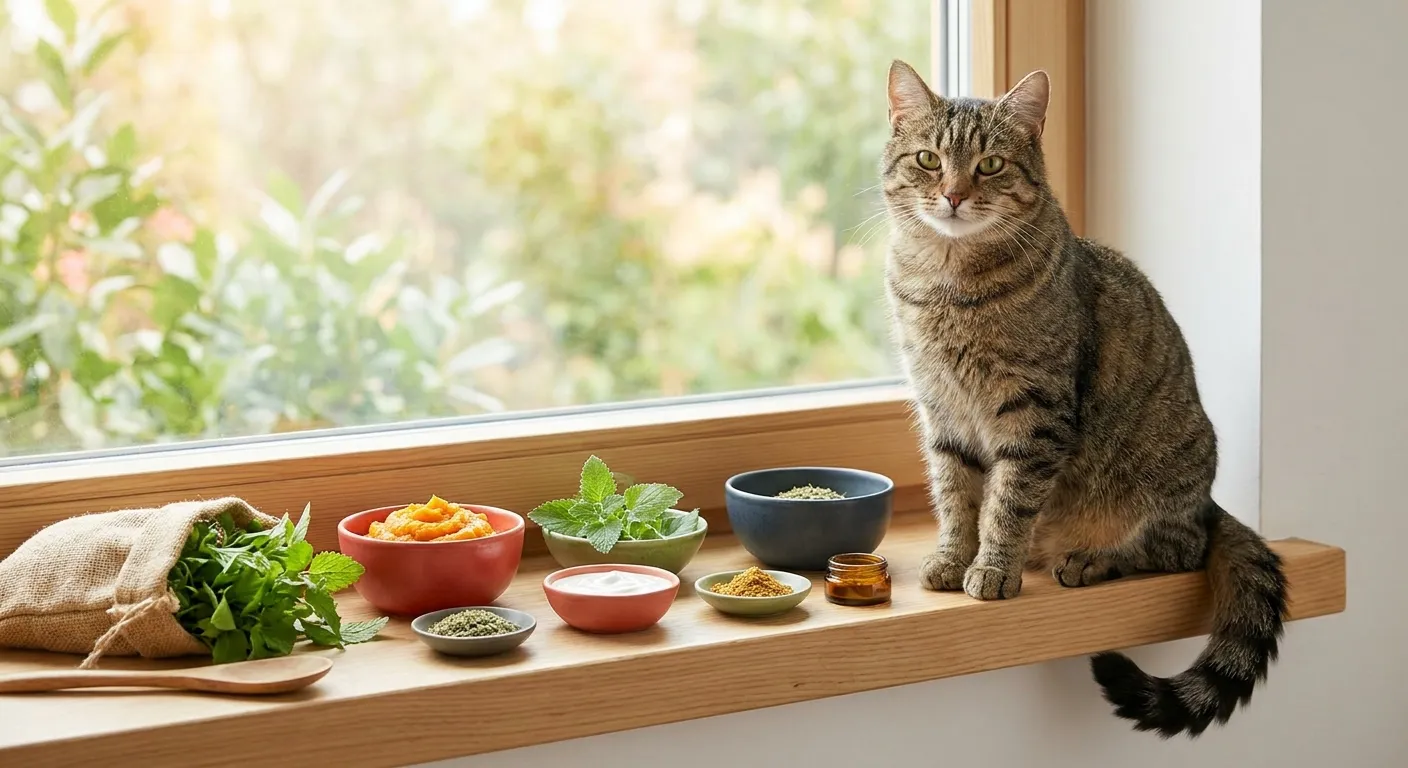
While supplements are readily available, incorporating natural sources into your cat’s diet can be highly beneficial. Fermented foods like kefir (in very small, unsweetened amounts) can offer probiotics, while certain vegetables (like finely pureed pumpkin or asparagus) provide prebiotics. When choosing supplements, look for those specifically formulated for felines, ensuring they contain diverse strains of beneficial bacteria and are free from unnecessary fillers. These additions support natural feline digestion and contribute to a healthier, more resilient digestive tract.
Beyond Diet: Creating a Low-Stress Environment for Optimal Cat Gut Health
What many cat owners don’t realize is the profound connection between stress and gut health. Chronic stress can negatively impact the gut microbiome, leading to inflammation and digestive upset. Therefore, creating a calm and predictable environment is just as vital as providing proper nutrition. This holistic view of feline wellness acknowledges the intricate link between mental and physical well-being. Furthermore, environmental enrichment can significantly reduce stress levels in cats.
The Impact of Stress on Your Cat’s Digestion
Stress hormones can directly alter the composition of the gut microbiome, increasing harmful bacteria and decreasing beneficial ones. This imbalance, often called dysbiosis, can manifest as diarrhea, constipation, or even irritable bowel syndrome in felines. Moreover, a stressed cat might experience reduced nutrient absorption, making them more susceptible to other health issues. For instance, studies have shown that prolonged stress can weaken the intestinal barrier, allowing toxins to leak into the bloodstream.
Strategies for a Serene Feline Home
- Consistent Routine: Cats thrive on predictability. Maintaining regular feeding times, play sessions, and litter box cleaning helps reduce anxiety.
- Safe Spaces: Provide elevated perches and quiet hiding spots where your cat can retreat and feel secure. These spaces offer a sense of control and safety.
- Enrichment: Offer plenty of opportunities for play and mental stimulation. Puzzle feeders, interactive toys, and scratching posts can keep your cat engaged and prevent boredom, which can be a stressor. For more ideas, explore Cat Behavior Enrichment Ideas That Work Fast.
- Minimize Changes: Major changes in the household, such as moving or introducing new pets, can be highly stressful. Gradual introductions and extra reassurance during these times are crucial.
- Pheromone Diffusers: Consider using feline pheromone diffusers, which can help create a calming atmosphere for some cats.
By actively managing your cat’s stress, you are directly supporting their gut health and overall well-being. This proactive approach is a cornerstone of natural cat care.
The Role of Hydration and Clean Water in Feline Gut Wellness
Water is essential for every bodily function, and the digestive system is no exception. Adequate hydration ensures that food moves smoothly through the digestive tract, preventing constipation and aiding in nutrient absorption. Cats, by nature, are not always keen drinkers, often preferring to get moisture from their prey. Therefore, encouraging water intake is a critical aspect of supporting optimal feline gut health.
Tips for Boosting Your Cat’s Water Intake
- Multiple Water Stations: Place several water bowls in different locations around your home. This increases the chances of your cat encountering water frequently.
- Fountain Preferences: Many cats prefer running water. A cat water fountain can be an excellent investment, as the movement and aeration often entice them to drink more.
- Cleanliness is Key: Ensure water bowls are cleaned daily to prevent bacterial growth and keep the water fresh. Cats are sensitive to stale water.
- Wet Food Inclusion: Incorporating wet food into their diet significantly boosts their moisture intake. Wet food is often 70-80% water, which closely mimics their natural prey diet. For insights into different dietary options, consider reading about Natural Cat Food Comparison Homemade vs Store Bought.
- Flavor Enhancers: Occasionally, you can add a small amount of low-sodium chicken or bone broth (plain, no onions or garlic) to their water to make it more appealing.
Proper hydration is a simple yet powerful tool in maintaining a healthy digestive system, contributing significantly to natural cat gut health.
Optimal Nutrition for a Thriving Feline Microbiome
Diet is undeniably the most influential factor in maintaining a balanced gut microbiome. A natural, species-appropriate diet provides the necessary nutrients for beneficial bacteria to flourish and supports the overall integrity of the digestive tract. Conversely, highly processed foods, artificial ingredients, and common allergens can disrupt the delicate gut balance, leading to inflammation and various health problems. Focusing on proper nutrition is paramount for natural cat gut health.
Understanding Species-Appropriate Diets
Cats are obligate carnivores, meaning their bodies are designed to derive nutrients primarily from animal sources. Their digestive systems are optimized for a diet rich in animal protein, moderate fat, and very low carbohydrates. A diet that deviates significantly from this can put a strain on their digestive system and negatively impact their gut flora. Many commercial cat foods contain excessive carbohydrates and plant-based proteins that cats struggle to digest efficiently.
Key Dietary Components for Gut Wellness
- High-Quality Animal Protein: Choose foods with identifiable meat sources as the primary ingredient (e.g., chicken, turkey, beef, fish). These provide essential amino acids and are easily digestible for cats.
- Healthy Fats: Omega-3 fatty acids, found in fish oil or flaxseed oil, are anti-inflammatory and support gut lining integrity.
- Minimal Carbohydrates: Avoid foods with high grain content or excessive plant fillers. These can ferment in the gut, leading to gas, bloating, and dysbiosis.
- Limited Artificial Ingredients: Artificial colors, flavors, and preservatives can irritate the gut and disrupt the microbiome. Always opt for natural ingredients.
- Moisture-Rich Foods: As mentioned, wet food provides crucial hydration, which aids digestion and overall gut function.
For a deeper understanding of providing your feline with the best possible diet, you might find our article on Balanced Natural Cat Nutrition Made Simple very helpful. Additionally, if your cat suffers from allergies, understanding the link between diet and gut health is critical; learn more about Cat Allergies and Gut Issues Vets Diagnose.
Herbal Support for Natural Cat Gut Health
Certain herbs can offer gentle yet effective support for a cat’s digestive system, complementing dietary and environmental strategies. These natural remedies can help soothe inflammation, promote healthy digestion, and support the gut lining. Always consult with a holistic veterinarian before introducing new supplements or herbs to your cat’s regimen, especially if they have existing health conditions or are on medication. This ensures the chosen herbs are safe and appropriate for your individual cat’s needs.
Beneficial Herbs for Feline Digestion
- Slippery Elm Bark: This herb is renowned for its mucilaginous properties, meaning it forms a soothing gel when mixed with water. It can coat and protect irritated digestive tract linings, helping with both diarrhea and constipation. It’s a fantastic natural remedy for calming an upset stomach.
- Marshmallow Root: Similar to slippery elm, marshmallow root also contains mucilage, offering anti-inflammatory and soothing effects on the gastrointestinal tract. It can help alleviate irritation and discomfort.
- Dandelion Root: Known as a bitter herb, dandelion root can stimulate bile production, which aids in fat digestion. It also acts as a mild diuretic and supports liver health, indirectly benefiting the gut.
- Ginger: In very small, appropriate doses, ginger can help with nausea and indigestion. It has anti-inflammatory properties and can stimulate digestive enzymes.
- Chamomile: While often thought of for its calming effects, chamomile also has anti-inflammatory and antispasmodic properties, which can help soothe an irritated gut and reduce cramping.
These herbs, when used judiciously and under professional guidance, can be valuable additions to a holistic approach to maintaining natural cat gut health. They work synergistically with other natural strategies to create a robust and resilient digestive system for your feline companion. For further reading on natural remedies, consider exploring reputable sources like PetMD’s guide to herbal remedies for cats or the American Holistic Veterinary Medical Association.
Environmental Toxins and Their Impact on Feline Digestion
Beyond diet and stress, environmental toxins can also play a significant role in disrupting your cat’s gut health. Cats are meticulous groomers, constantly ingesting whatever settles on their fur from their surroundings. This means household chemicals, pesticides, and even residues from certain cleaning products can end up in their digestive system, leading to inflammation and an imbalanced microbiome. Protecting your cat from these hidden dangers is another crucial aspect of supporting natural cat gut health.
Common Environmental Culprits
- Household Cleaners: Many conventional cleaning products contain harsh chemicals (like ammonia, bleach, phthalates) that can be toxic if ingested. Residues on floors and surfaces can be licked off.
- Pesticides and Herbicides: If you use these in your garden or yard, your cat can track them indoors on their paws or fur, leading to ingestion during grooming.
- Air Fresheners and Scented Candles: These can release volatile organic compounds (VOCs) and other irritants into the air, which cats can inhale or ingest if they settle on surfaces.
- Contaminated Water: Tap water can sometimes contain chlorine, fluoride, or heavy metals. While often safe for humans, sensitive cats might benefit from filtered water.
- Plastic Bowls: Some plastics can leach chemicals into food and water, especially when scratched or heated. Stainless steel or ceramic bowls are safer alternatives.
Minimizing Toxin Exposure
- Eco-Friendly Cleaning: Switch to natural, pet-safe cleaning products or use simple solutions like vinegar and baking soda.
- Pest Control: Opt for natural pest control methods in and around your home. Avoid chemical sprays or granules that your cat might come into contact with.
- Air Quality: Ensure good ventilation in your home. Consider using an air purifier, and avoid synthetic air fresheners.
- Filtered Water: Provide filtered water for your cat to drink.
- Safe Bowls: Use food-grade stainless steel, ceramic, or glass bowls for food and water.
By consciously reducing your cat’s exposure to environmental toxins, you are actively safeguarding their digestive system and contributing to their long-term natural cat gut health. This holistic approach considers every aspect of their living environment.
Conclusion: Embracing a Holistic Path to Natural Cat Gut Health
Nurturing your cat’s gut health is a comprehensive journey that extends far beyond just what’s in their food bowl. It involves understanding the intricate balance of their microbiome, providing species-appropriate nutrition, integrating beneficial prebiotics and probiotics, and crucially, creating a low-stress, toxin-free environment. By embracing this holistic approach, you empower your feline companion to achieve optimal vitality, a robust immune system, and a balanced mood. Remember, a healthy gut is truly the cornerstone of a healthy cat. Prioritizing natural cat gut health is one of the most impactful ways you can ensure your beloved pet lives a long, vibrant, and happy life. Always partner with a trusted holistic veterinarian to tailor these strategies to your cat’s unique needs, ensuring the best possible outcomes for their digestive wellness.
FAQ Section
What are the signs of an unhealthy gut in cats?
An unhealthy feline digestive system can manifest in various ways. Look for symptoms such as chronic diarrhea, constipation, vomiting, excessive gas, poor coat quality, skin allergies, bad breath, and even behavioral changes like lethargy or irritability. Persistent issues warrant a vet visit.
How can diet improve my cat’s digestive system?
Feeding a species-appropriate diet rich in high-quality animal protein and low in carbohydrates is key. Incorporating moisture-rich wet food, along with natural sources of prebiotics and probiotics, can significantly improve your cat’s digestive wellness by fostering a balanced gut microbiome.
Are human probiotics safe for cats?
Generally, human probiotics are not recommended for cats. Feline digestive systems have different microbial compositions, and human formulations may not contain the specific strains beneficial for cats. Always choose probiotics specifically formulated for felines and consult your vet.
Can stress really affect a cat’s gut?
Absolutely. Chronic stress can profoundly impact a cat’s digestive tract, leading to inflammation and dysbiosis (an imbalance of gut bacteria). This can result in various digestive upsets. Creating a calm, predictable environment is vital for their overall well-being, including their digestive health.
What natural remedies can help soothe a cat’s upset stomach?
Certain herbs like slippery elm bark and marshmallow root can help soothe an irritated feline gut by forming a protective lining. Very small amounts of plain pumpkin puree can aid with both diarrhea and constipation. Always consult with a holistic veterinarian before administering any herbal remedies to ensure safety and proper dosage.