Providing a clean and comfortable litter box is essential for your cat’s well-being and your home’s hygiene. Many conventional litter products contain synthetic fragrances and harsh chemicals that can be irritating to feline respiratory systems and contribute to environmental concerns. Exploring Natural Litter Box Solutions can make a significant difference, offering safer alternatives for both your cat and the planet. By choosing natural materials and practices, you can reduce your cat’s exposure to toxins and maintain a fresh-smelling home without compromise. This holistic approach empowers cat owners with knowledge to help their feline companions live healthy, balanced, and vibrant lives.
Choosing Natural Litter Materials for Optimal Health
The foundation of a healthy litter box starts with the litter itself. Traditional clay litters often contain silica dust, which can be harmful when inhaled by cats and humans. Fortunately, there are many excellent natural alternatives available. Corn-based litter is highly absorbent and biodegradable, offering excellent odor control. Wheat litter is another sustainable option, clumpable and flushable, often preferred by cats for its soft texture. Recycled paper pellets or shredded paper are dust-free and eco-friendly, though they may require more frequent changes. Wood-based litters, such as pine or cedar, are also natural and effective, providing a fresh, earthy scent. When transitioning to a new litter, introduce it gradually by mixing it with your current litter to allow your cat to adjust comfortably.
Understanding the impact of litter choice extends beyond immediate comfort. In fact, some conventional litters contain bentonite clay, which can expand internally if ingested by a curious cat. This poses a potential health risk. Conversely, natural cat litter options like those made from tofu, cassava, or even grass offer superior biodegradability and are often safer if accidentally ingested. Moreover, these materials reduce the overall pet carbon footprint and its environmental impact, aligning with a more sustainable lifestyle. Consider exploring different types to find the best fit for your cat’s preferences and your household’s needs. Many cats have strong preferences, so a patient approach is key.
Implementing Natural Litter Box Solutions for Cleanliness and Odor
Beyond the litter itself, maintaining a natural and hygienic litter box environment involves consistent cleaning practices and chemical-free odor control. Scooping the litter box at least once daily is crucial to prevent bacteria buildup and strong odors. For deep cleaning, instead of harsh disinfectants, opt for diluted white vinegar or baking soda. These natural agents effectively neutralize odors and disinfect surfaces without leaving toxic residues. Placing an open box of baking soda near the litter box can also help absorb ambient odors. Ensure the litter box is placed in a well-ventilated area, but not in a high-traffic spot where your cat might feel exposed. Regular replacement of the entire litter content, typically every 1-2 weeks depending on the litter type and number of cats, further ensures a pristine environment.
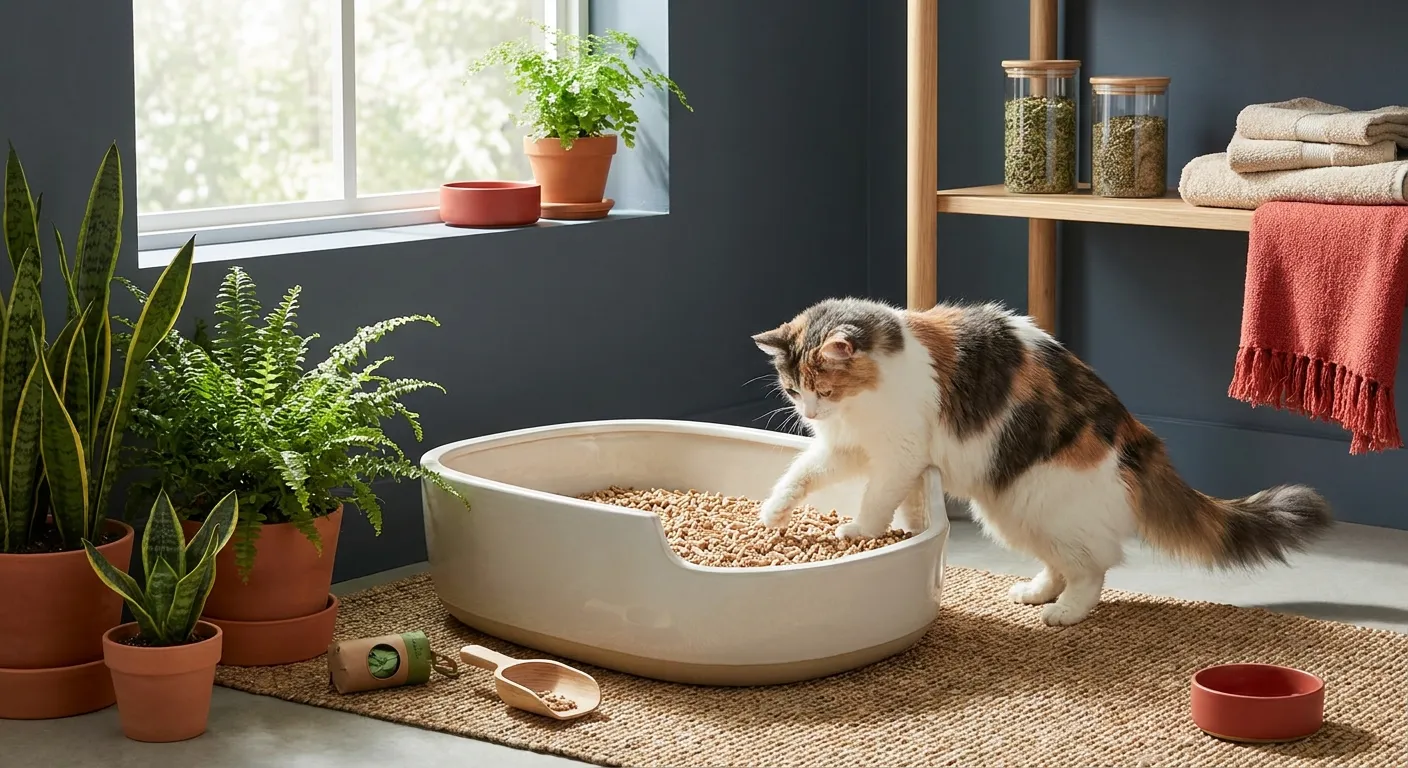
Furthermore, the type of litter box itself can influence cleanliness. Stainless steel or ceramic boxes are non-porous and easier to clean thoroughly compared to plastic, which can absorb odors over time. This makes them ideal for natural litter box care. Regularly washing the litter box with hot water and a mild, natural soap, followed by a vinegar rinse, ensures maximum hygiene. This prevents the accumulation of bacteria and unpleasant smells. For particularly stubborn odors, sprinkling baking soda directly into the empty box before refilling can be very effective. These simple steps contribute significantly to a healthier environment for your feline friend.
Understanding Your Cat’s Litter Box Preferences
Cats are creatures of habit, and their litter box habits are no exception. A sudden change in litter type, box location, or cleanliness can lead to inappropriate urination or defecation outside the box. This is often a sign of stress or discomfort. Therefore, when adopting natural litter box alternatives, observe your cat closely. Some cats prefer uncovered boxes, while others feel more secure in a covered environment. The size of the box also matters; it should be large enough for your cat to comfortably turn around and dig. Providing multiple litter boxes, especially in multi-cat households, is also recommended. A general rule of thumb is one litter box per cat, plus one extra. This helps prevent territorial disputes and provides options. Consequently, understanding these nuances is vital for successful natural litter management.
Moreover, certain health issues can impact litter box usage. For instance, a cat experiencing cat allergies and gut issues might associate pain with the litter box and avoid it. Similarly, joint pain can make it difficult for an older cat to step into a high-sided box. If your cat suddenly changes their litter box habits, a vet visit is always advisable to rule out underlying medical conditions. Once health issues are excluded, then you can focus on optimizing the litter box setup. Remember, creating a positive and comfortable litter box experience is crucial for your cat’s overall well-being and happiness. This often involves trial and error to find the perfect natural litter box solution.
Benefits of Natural Litter Box Solutions for Respiratory Health
The air quality around the litter box directly impacts your cat’s respiratory health. Conventional clay litters are notorious for producing fine silica dust, which can irritate a cat’s delicate respiratory system and even lead to conditions like asthma. Similarly, synthetic fragrances, often added to mask odors, can be strong allergens. By contrast, natural cat litter options significantly reduce these risks. Litters made from corn, wheat, wood, or paper are typically low-dust or dust-free. This creates a much safer breathing environment for your cat and for everyone in your home. In fact, veterinarians often recommend natural, unscented litters for cats with respiratory sensitivities. This proactive step can prevent chronic issues and improve your cat’s quality of life.
Furthermore, the absence of artificial perfumes in natural litters is a major advantage. Cats have a highly sensitive sense of smell, and strong synthetic scents can be overwhelming and even deterrent. This can cause them to avoid the litter box altogether. Opting for unscented natural litter box care eliminates this potential stressor. Instead, any subtle natural scents from wood or plant-based litters are typically mild and well-tolerated. This consideration is particularly important for cats prone to allergies. A less irritating environment means a happier, healthier cat. Therefore, choosing natural litter is a simple yet profound way to support your cat’s respiratory well-being.
The Environmental Impact of Your Litter Choice
Our choices as pet owners extend beyond our homes and impact the wider environment. Conventional clay litter is strip-mined, a process that can harm ecosystems and requires significant energy. Furthermore, it is not biodegradable and ends up in landfills, where it remains indefinitely. In contrast, many natural litter box options are made from renewable resources and are fully biodegradable. For example, corn, wheat, and wood litters break down naturally, returning nutrients to the earth. This significantly reduces landfill waste and supports sustainable agriculture practices. Choosing these eco-friendly alternatives is a tangible way to lessen your household’s ecological footprint. It’s a small change that contributes to a much larger positive impact.
Moreover, some natural cat litters are flushable, which can be convenient and further reduce waste, though it’s important to check local regulations and plumbing capabilities before flushing. Even if not flushable, their biodegradability means they decompose far more quickly and safely than clay. This aligns perfectly with the values of The Natural Cats, which emphasizes holistic and sustainable pet care. By making conscious decisions about our natural litter box choices, we not only benefit our feline companions but also contribute to a healthier planet. This mindful approach ensures that our love for our pets doesn’t come at the expense of environmental responsibility. It’s an investment in a greener future for everyone.
Transitioning to Natural Litter Box Solutions: A Step-by-Step Guide
Changing your cat’s litter can be a delicate process, as felines are creatures of habit. A sudden, complete switch might lead to rejection of the new litter. Therefore, a gradual transition is recommended when introducing natural litter box alternatives. Start by mixing a small amount of the new natural litter with your cat’s current litter, perhaps a 1:3 ratio (new to old). Over the course of a week or two, gradually increase the proportion of the new litter. Observe your cat’s reaction closely during this period. If they show any signs of avoidance, slow down the transition. Patience is key to success.
Another effective strategy is to set up a separate litter box containing only the new natural litter alongside their existing box. This allows your cat to explore the new option at their own pace without feeling forced. Many cats are curious and will eventually try the new litter. Once they consistently use the natural litter box, you can gradually phase out the old one. Remember that every cat is unique; some will adapt quickly, while others may need more time. Providing a positive and stress-free environment during this transition is crucial for ensuring your cat embraces their new, healthier litter setup. This careful approach helps make the shift to natural litter box solutions smooth and successful.
Beyond Litter: Natural Supplements and a Healthy Gut
While natural litter box care focuses on the external environment, a cat’s internal health also plays a significant role in their overall well-being. A balanced diet, for instance, can influence stool odor and consistency, indirectly impacting the litter box experience. Exploring balanced natural cat nutrition made simple can provide insights into feeding your cat for optimal health. Furthermore, a healthy gut microbiome is crucial for digestion and immunity. If a cat suffers from digestive issues, their waste might have a stronger odor or be more difficult to clean. In such cases, considering natural supplements that support gut health might be beneficial. Probiotics, for example, can aid in maintaining a balanced digestive system, potentially reducing unpleasant odors. This integrated approach considers both external and internal factors for a truly holistic cat care routine.
Moreover, certain health conditions, sometimes linked to diet or environmental stressors, can manifest in changes to litter box habits. For example, some cats might develop sensitivities that lead to digestive upset, affecting the quality of their stools. Understanding natural cat allergy remedies that work fast can be helpful if you suspect your cat’s diet or environment is contributing to issues. A holistic approach to feline wellness means considering how everything, from the food they eat to the air they breathe around their litter box, contributes to their health. Therefore, integrating natural litter box care with a focus on nutrition and gut health creates a comprehensive strategy for your cat’s vitality.
Choosing the Right Litter Box for Natural Solutions
The litter box itself is an integral part of creating a healthy and inviting space for your cat. The material of the litter box can significantly impact hygiene and odor control. Plastic litter boxes are common and affordable, but they can scratch easily and absorb odors over time, making them harder to keep truly clean. Conversely, stainless steel or ceramic litter boxes are non-porous, meaning they resist odors and are much easier to sanitize thoroughly. These materials are excellent choices for those committed to natural litter box solutions, as they complement the chemical-free cleaning methods. While they might be a larger initial investment, their longevity and superior hygiene often make them worthwhile.
Size and design also matter. A general rule is that the litter box should be at least 1.5 times the length of your cat from nose to tail. This allows them ample space to dig, turn around, and eliminate comfortably. For older cats or those with mobility issues, low-sided boxes are preferable to ensure easy access. Some cats prefer open boxes, which offer better ventilation and visibility, while others feel more secure in covered boxes. However, covered boxes can trap odors and humidity, which might be less ideal for natural litter box care unless cleaned very frequently. Ultimately, observing your cat’s preferences and ensuring the box is both spacious and easy to clean will contribute greatly to their comfort and willingness to use it consistently.
Maintaining a Fresh Environment with Natural Odor Control
Even with the best natural litter box solutions, odor control is a constant consideration for cat owners. While natural litters inherently offer better odor management than some conventional options, additional natural methods can enhance freshness. Baking soda is a classic and effective natural deodorizer. Sprinkling a thin layer at the bottom of the litter box before adding litter, or mixing a small amount into the litter itself, can help absorb odors. It’s safe for cats and completely non-toxic. Activated charcoal is another powerful natural absorbent that can be placed in a small open container near the litter box to draw out ambient odors from the air. These simple additions can make a noticeable difference.
Furthermore, proper ventilation in the area where the litter box is located is crucial. A well-ventilated space prevents odors from accumulating and becoming stagnant. However, avoid placing the litter box directly under a vent that blows air, as this can scatter litter dust. Regular air circulation, perhaps through an open window or a small fan directed away from the box, can help maintain freshness. Remember, strong artificial air fresheners should be avoided, as they can be irritating to your cat’s sensitive respiratory system. Embracing these natural odor control techniques complements your choice of natural litter box materials, ensuring a consistently fresh and healthy environment for both you and your feline companion. This holistic approach supports overall well-being.
Conclusion
Embracing Natural Litter Box Solutions contributes significantly to your cat’s overall health and comfort, while also supporting a more sustainable home environment. By selecting natural litter materials, adopting chemical-free cleaning routines, and understanding your cat’s preferences, you create a safer, healthier space for your feline companion. This holistic approach not only benefits your cat by reducing exposure to toxins and irritants but also aligns with eco-conscious living. Making thoughtful choices about litter, cleaning products, and box types can transform a mundane chore into an act of profound care. Ultimately, these natural methods lead to a happier cat and a fresher, healthier home for everyone.
FAQ
What are the best natural litter alternatives?
The best natural litter alternatives include corn, wheat, wood (pine or cedar), recycled paper, and tofu-based litters. These options are generally biodegradable, low-dust, and free from harsh chemicals, offering a healthier choice for your cat and the environment.
How often should I clean a natural cat litter box?
You should scoop the litter box at least once daily. For deep cleaning, replace the entire litter content and wash the box every 1-2 weeks, depending on the litter type and the number of cats using it. This ensures optimal hygiene.
Can natural litter help with cat allergies?
Yes, natural, unscented litters can often help reduce allergy symptoms in cats and humans. They typically produce less dust and are free from synthetic fragrances, which are common irritants for sensitive respiratory systems.
Is it safe to flush natural cat litter?
Some natural litters, particularly those made from wheat or corn, are marketed as flushable. However, always check the product’s instructions and local plumbing regulations. Flushing can sometimes lead to plumbing issues, so proceed with caution.
How do I transition my cat to a new, natural litter?
Transition gradually over 1-2 weeks. Start by mixing a small amount of the new natural litter with your cat’s current litter, slowly increasing the proportion of the new litter each day. You can also offer a separate box with the new litter initially.
What are some natural ways to control litter box odor?
Baking soda is an excellent natural deodorizer; sprinkle it at the bottom of the box or mix it into the litter. Activated charcoal placed near the box can also absorb ambient odors. Ensuring good ventilation helps, too, but avoid harsh chemical air fresheners.