
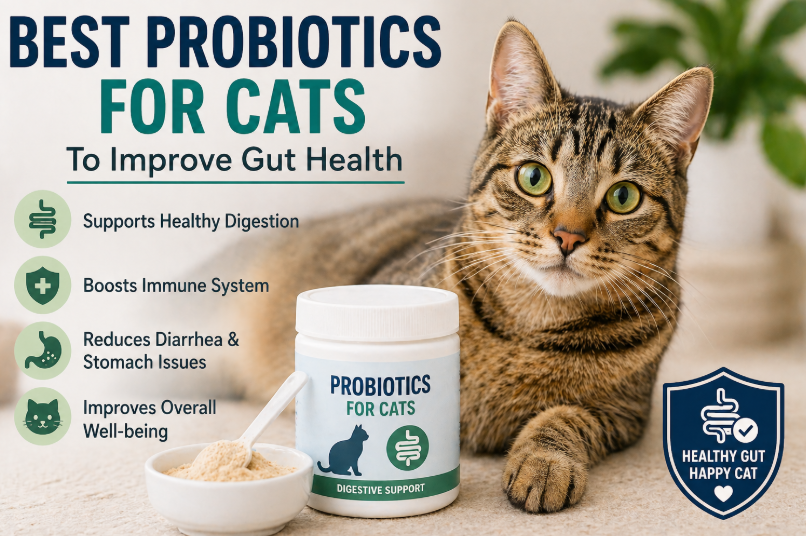
If your cat struggles with digestion, low energy, or frequent stomach issues, the best probiotics for cats may be the missing piece in their daily routine. Many cat owners overlook gut health, yet it plays a major role in overall wellness. From nutrient absorption to immune support, your cat’s digestive system affects nearly every aspect of their health. That is why understanding how the best probiotics for cats work can help you make smarter, more effective choices.
Cats naturally have beneficial bacteria in their gut. However, stress, poor diet, antibiotics, or illness can disrupt this balance. As a result, harmful bacteria may take over, leading to digestive discomfort and other issues. By introducing the best probiotics for cats, you can restore this balance and support a healthier, more stable system. In many cases, improvements can be seen in digestion, coat quality, and even behavior.
Why Gut Health Matters For Cats
A healthy gut does much more than simply process food. It supports your cat’s immune system, energy levels, and overall vitality. When the digestive system functions properly, nutrients are absorbed efficiently, which helps your cat stay strong and active. Therefore, investing in the best probiotics for cats can have long-term benefits beyond digestion.
Poor gut health often shows up in subtle ways. For example, your cat may experience loose stools, vomiting, or a lack of appetite. Additionally, skin issues or a dull coat may indicate underlying digestive problems. Because these symptoms can be linked to imbalanced gut bacteria, using the best probiotics for cats may help address the root cause.
Moreover, stress plays a significant role in digestive health. Changes in environment, diet, or routine can disrupt the gut microbiome. In these situations, probiotics help stabilize the system and reduce negative effects. As a result, your cat becomes more resilient to everyday stressors.
How Probiotics Work In Your Cat’s Body
To understand the value of the best probiotics for cats, it helps to know how they function. Probiotics are live beneficial bacteria that support the balance of microorganisms in the digestive tract. When introduced in the right amounts, they help crowd out harmful bacteria and promote a healthier environment.
These beneficial bacteria aid in breaking down food, which improves nutrient absorption. Consequently, your cat receives more value from each meal. Additionally, probiotics support the production of certain vitamins and enzymes, which further enhance digestion.
Another important benefit is immune support. A large portion of your cat’s immune system is located in the gut. Therefore, maintaining a healthy balance of bacteria strengthens the body’s natural defenses. This is one of the key reasons why the best probiotics for cats are often recommended by veterinarians.
Signs Your Cat May Need Probiotics
Recognizing when your cat may benefit from the best probiotics for cats can help you take action early. Digestive issues are the most obvious sign. Frequent diarrhea, constipation, or vomiting may indicate an imbalance in gut bacteria.
However, other signs are less obvious. For instance, excessive shedding or skin irritation may be linked to poor digestion. Similarly, bad breath or changes in appetite can signal underlying gut issues. In these cases, adding the best probiotics for cats to your pet’s routine may lead to noticeable improvements.
Behavioral changes can also provide clues. A cat that seems lethargic or less playful may not be absorbing nutrients effectively. By improving gut health, probiotics can help restore energy levels and overall vitality.
Choosing The Right Probiotic Supplement
Selecting the best probiotics for cats requires careful consideration. Not all products are created equal, so it is important to focus on quality and effectiveness. Look for supplements that contain multiple strains of beneficial bacteria. This diversity helps support a balanced gut microbiome.
Additionally, choose products specifically formulated for cats. Human probiotics may not provide the right strains or dosage for feline needs. Therefore, sticking to cat-specific options ensures better results.
Form also matters. Probiotics are available in powders, capsules, and treats. Powders are often the easiest to mix with food, making them a convenient choice for many owners. Regardless of the form, consistency is key when using the best probiotics for cats.
Always check for proper storage instructions as well. Some probiotics require refrigeration to maintain effectiveness. Following these guidelines ensures that your cat receives the full benefits of the supplement.
Natural Sources Of Probiotics For Cats
While supplements are effective, natural sources can also contribute to gut health. Certain fermented foods contain beneficial bacteria that support digestion. However, not all human foods are safe for cats, so caution is necessary.
Plain, unsweetened yogurt may be offered in small amounts, but only if your cat tolerates dairy. Additionally, specially formulated probiotic treats designed for cats can provide a safe and convenient option. These products often combine taste and nutrition, making them easier to incorporate into your routine.
Even with natural sources, the best probiotics for cats are usually found in targeted supplements. These products are designed to deliver consistent and reliable results, which makes them a preferred choice for many pet owners.
How To Introduce Probiotics Safely
Introducing the best probiotics for cats should be done gradually. Start with a small amount and monitor your cat’s response. This allows their digestive system to adjust without causing discomfort.
Consistency is essential for success. Probiotics work best when given regularly, as they help maintain a stable balance of bacteria. Skipping doses may reduce their effectiveness, so establishing a routine is important.
It is also helpful to pair probiotics with a high-quality diet. Nutrient-rich food supports the growth of beneficial bacteria, enhancing the effects of the supplement. Together, these elements create a strong foundation for your cat’s health.
Consulting your veterinarian before starting any supplement is always a good idea. They can recommend the best probiotics for cats based on your pet’s specific needs and health condition.
Common Mistakes To Avoid
When using the best probiotics for cats, certain mistakes can limit their effectiveness. One common error is choosing low-quality products with insufficient bacterial strains. These may not provide the desired benefits.
Another mistake is inconsistent use. Probiotics require regular administration to maintain their effects. Without consistency, results may be minimal or short-lived.
Overdosing is also a concern. While probiotics are generally safe, giving too much can cause mild digestive upset. Therefore, always follow the recommended dosage.
Finally, relying solely on probiotics without addressing diet can reduce their impact. A balanced diet is essential for supporting gut health, so it should always be part of your overall approach.
Conclusion
Improving your cat’s gut health does not have to be complicated. By incorporating the best probiotics for cats into your pet’s routine, you can support digestion, strengthen immunity, and enhance overall well-being. While results may take time, the long-term benefits are worth the effort.
Understanding your cat’s needs and choosing high-quality products ensures the best outcome. Combined with a balanced diet and consistent care, probiotics can make a noticeable difference in your cat’s health and happiness. Ultimately, the best probiotics for cats provide a simple yet powerful way to support your pet’s life from the inside out.
FAQ
- How long does it take for probiotics to work in cats?
Most cats show improvement within a few days to a few weeks, depending on their condition. - Can probiotics help with cat diarrhea?
Yes, probiotics can help restore gut balance and reduce symptoms of diarrhea. - Are probiotics safe for kittens?
Many probiotic products are safe for kittens, but always consult a veterinarian first. - Can I give my cat human probiotics?
It is not recommended, as they may not contain the right strains for cats. - Do probiotics need to be given daily?
Yes, regular use helps maintain a healthy balance of gut bacteria.