Shifting towards natural cat preventative care empowers owners to proactively support their feline’s health, focusing on longevity and vitality. The industry is witnessing a profound shift towards a more integrated approach to pet health, emphasizing preventive healthcare that encompasses physical, emotional, and mental well-being. This philosophy moves beyond merely treating illness, aiming instead to foster an environment and lifestyle that prevents disease and enhances overall quality of life for your cherished companion. Consequently, embracing these methods can lead to a happier, healthier cat.
The Power of Proactive Wellness
Routine veterinary exams are expanding to include tracking weight, joints, teeth, and mood, reflecting this growing preventive mindset. As cat ownership continues to rise, reaching 39% of U.S. households, the demand for natural and holistic approaches to ensure our pets live long, healthy lives is greater than ever. It’s about creating a ‘wellness environment’ that supports every aspect of your cat’s being. Furthermore, this proactive stance reduces the likelihood of costly and stressful emergency treatments later on.
Building a Thriving Wellness Environment
Preventative care begins at home, by creating an enriching, low-stress environment that caters to your cat’s natural instincts and needs. In fact, many common feline issues stem from environmental deficiencies. Therefore, understanding and implementing these foundational elements is crucial for comprehensive feline wellness.
Physical and Mental Enrichment
Cats are intelligent creatures who require mental and physical stimulation to thrive. Without it, boredom and stress can lead to behavioral issues and health problems. Moreover, a lack of appropriate outlets can manifest as destructive behaviors or even aggression. Providing consistent and varied enrichment is a cornerstone of effective cat preventative care.
- Vertical Space: Cats love to climb and observe from high vantage points. Providing cat trees, shelves, or window perches satisfies their instinctual need for elevation and security. This also helps them feel safe from perceived threats.
- Interactive Play: Daily play sessions with wand toys or laser pointers mimic hunting behaviors, providing essential exercise and mental engagement. Rotate toys to keep things interesting and prevent boredom. For more ideas, explore Cat Behavior Enrichment Ideas That Work Fast.
- Puzzle Feeders: These challenge your cat to ‘work’ for their food, slowing down eating and providing mental stimulation, which is particularly beneficial for indoor cats. Consequently, this can prevent overeating and obesity.
- Scratching Opportunities: Offer various scratching surfaces (cardboard, sisal, carpet; horizontal and vertical) to satisfy their natural urge to scratch, keeping claws healthy and reducing stress. This also protects your furniture from unwanted scratching.
Stress Reduction and Emotional Well-being
Chronic stress can weaken the immune system and contribute to various health issues. A low-stress environment is a cornerstone of natural cat preventative care. Specifically, prolonged stress can lead to conditions like feline idiopathic cystitis or excessive grooming. Therefore, minimizing stressors is vital.
- Consistent Routine: Cats are creatures of habit. Predictable feeding times, play, and quiet periods can significantly reduce anxiety. Any sudden changes can be unsettling for them.
- Safe Retreats: Ensure your cat has quiet, private spaces where they can retreat and feel secure, away from household commotion. These can be cat beds, carriers, or even cardboard boxes.
- Pheromone Diffusers: These can release synthetic feline facial pheromones that mimic the natural calming signals cats use to mark their territory as safe. This can be particularly helpful during periods of change or stress.
The Cornerstone of Health: Natural Nutrition
A species-appropriate diet is arguably the most impactful aspect of Natural Cat Diets Vets Actually Recommend. Cats are obligate carnivores, meaning their bodies are designed to thrive on a diet primarily of animal protein. Consequently, processed foods laden with fillers, artificial ingredients, and excessive carbohydrates can contribute to a myriad of health problems, including obesity, diabetes, and digestive issues.
Understanding Feline Dietary Needs
When considering your cat’s diet, focus on high-quality animal protein sources. Look for ingredients like chicken, turkey, beef, or fish as the first few items on the label. Furthermore, moisture content is crucial; wet food often provides superior hydration compared to dry kibble alone. Many commercial dry foods contain excessive carbohydrates which cats struggle to digest efficiently, potentially leading to inflammation and other health concerns. For a deeper understanding, review Balanced Natural Cat Nutrition Made Simple.
Avoiding Harmful Ingredients
Be vigilant about ingredients that can harm your cat’s long-term health. Artificial colors, flavors, and preservatives offer no nutritional value and can be detrimental. Similarly, excessive plant-based proteins are not ideal for a carnivore. By choosing whole, unprocessed foods, you are providing the building blocks for a strong immune system and optimal organ function. This proactive approach to diet is a fundamental part of a comprehensive cat preventative care plan.
Supplements for Enhanced Wellness
While a balanced diet is paramount, certain supplements can further support your cat’s health, especially as they age or if they have specific needs. Omega-3 fatty acids, for instance, support skin, coat, joint, and cognitive health. Probiotics can aid in maintaining a healthy gut microbiome, which is intrinsically linked to overall immunity. Always consult with a holistic veterinarian before introducing new supplements to ensure they are appropriate for your cat’s individual circumstances. This careful consideration significantly enhances the benefits of preventative feline care.
The Role of Regular Veterinary Check-ups
Even with a holistic approach, regular veterinary examinations remain essential. These check-ups allow for early detection of potential health issues, often before symptoms become apparent. A holistic vet can offer guidance on diet, lifestyle, and natural therapies that complement conventional medicine. They can also perform routine blood work, dental checks, and physical examinations that are vital for monitoring your cat’s health trajectory. This integrated approach ensures all bases are covered in your cat’s wellness journey. Discussing your comprehensive cat preventative care strategy with your vet is always recommended.
Integrating Conventional and Holistic Practices
A truly holistic approach doesn’t dismiss conventional veterinary medicine but rather integrates it thoughtfully. Vaccinations, while sometimes debated, play a role in preventing serious infectious diseases, especially for cats with exposure risks. Similarly, parasite control is crucial for preventing internal and external infestations. The key is to work with a veterinarian who understands and respects both natural and conventional methods, allowing for a tailored plan that best suits your cat’s needs. This balanced perspective is central to effective preventative pet care.
Hygiene and Grooming as Preventative Measures
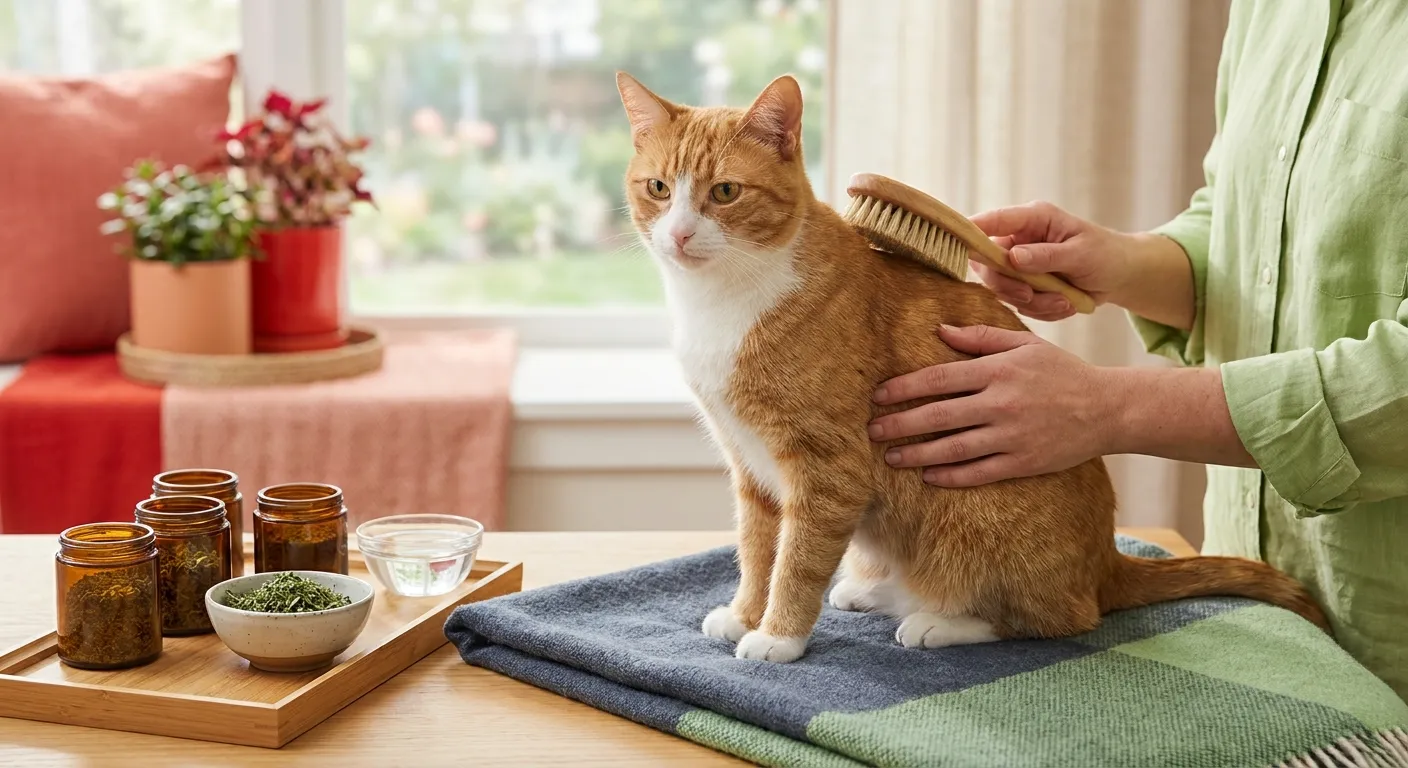
Regular grooming is more than just aesthetics; it’s a vital component of natural cat preventative care. Grooming helps prevent matting, skin issues, and even hairballs. Furthermore, it provides an opportunity to inspect your cat’s skin, coat, ears, eyes, and teeth for any abnormalities that might indicate a health problem. This routine interaction can also strengthen your bond with your feline companion.
Dental Health
Dental disease is one of the most common health issues in cats, often leading to pain, infection, and even systemic health problems if left untreated. Regular dental care, including brushing your cat’s teeth, using dental treats or water additives, and professional cleanings as needed, is paramount. Addressing dental health proactively can prevent more serious issues down the line. Many cat owners overlook this crucial aspect of preventative health for cats.
Coat and Skin Care
Brushing your cat regularly, especially long-haired breeds, helps remove loose fur, prevents mats, and distributes natural oils. This improves coat health and reduces the amount of fur your cat ingests during self-grooming, thereby minimizing hairballs. For specific guidance, you might find Eco Friendly Cat Grooming Tips for Pet Owners useful. Skin issues can often be indicators of underlying allergies or nutritional deficiencies, so paying attention to changes in their skin or coat is important. This diligent observation is a key aspect of natural feline preventative care.
Specialized Care for Senior Cats
As cats live longer, senior pet care is gaining significant focus. Preventative care for older felines shifts to address age-related conditions like arthritis, kidney disease, and cognitive decline. Regular veterinary check-ups become even more critical, often including more frequent blood work and urine tests to monitor organ function. Adjustments to diet, supplements for joint support, and creating an easily accessible environment are all important considerations. For instance, ramps for climbing and softer bedding can improve their comfort and mobility. This dedicated attention ensures senior cats maintain their quality of life.
Addressing Age-Related Changes
Senior cats may experience changes in appetite, sleep patterns, and activity levels. It’s important to differentiate between normal aging and signs of illness. For example, increased thirst could indicate kidney issues or diabetes. Consequently, prompt veterinary attention for any significant changes is crucial. Providing comfortable, warm resting spots and ensuring easy access to litter boxes and food bowls can greatly enhance their daily comfort. This tailored approach to preventative health for cats ensures their golden years are as comfortable as possible.
Environmental Toxins and Their Impact
Minimizing exposure to environmental toxins is another crucial aspect of holistic preventative care. Cats are particularly sensitive to chemicals found in household cleaners, pesticides, and even certain essential oils. Their grooming habits mean they can easily ingest substances that settle on their fur or paws. Choosing natural, pet-safe cleaning products and avoiding chemical pest control both indoors and outdoors can significantly reduce their toxic load. Furthermore, consider the materials in their bedding and toys, opting for natural fibers and non-toxic plastics. This conscious effort creates a safer home environment, directly contributing to cat preventative care.
Water Quality and Air Purity
The quality of your cat’s drinking water is also important. Filtered water can reduce exposure to chlorine and other contaminants found in tap water. Similarly, indoor air quality can impact respiratory health. Using air purifiers and ensuring good ventilation can help minimize allergens and airborne pollutants. These seemingly small details contribute significantly to your cat’s overall well-being and are integral to a holistic approach to preventative health for cats.
The Future of Feline Wellness: Embracing a Holistic View
The trend towards holistic cat care is not just a fad; it’s a recognition of the intricate connection between diet, environment, emotional well-being, and physical health. By adopting a comprehensive approach that prioritizes prevention, cat owners can empower their feline companions to lead long, vibrant lives. This involves continuous learning, careful observation, and a partnership with a veterinarian who supports your holistic vision. Ultimately, investing in natural cat preventative care is an investment in your cat’s happiness and health for years to come.
Embracing a lifestyle that supports your cat’s natural instincts and physiological needs is the most powerful form of prevention. From providing stimulating environments to offering species-appropriate nutrition and minimizing toxins, every choice contributes to their overall wellness. This proactive philosophy not only prevents illness but also enhances their vitality, ensuring they can enjoy every moment by your side. Consequently, your cat will thrive, demonstrating the profound benefits of integrated preventative pet care.
Frequently Asked Questions About Feline Wellness
What is holistic pet care?
Holistic pet care is an approach that considers your cat’s entire being – physical, emotional, and mental – when addressing their health. It integrates conventional veterinary medicine with complementary therapies like nutrition, herbal remedies, and environmental enrichment to prevent illness and promote overall well-being. This comprehensive view aims to support the body’s natural healing abilities.
How important is diet in preventing cat diseases?
Diet is incredibly important. A species-appropriate, high-quality diet forms the foundation of good health, supporting a strong immune system, healthy digestion, and optimal organ function. Conversely, poor nutrition can contribute to many common feline ailments, including obesity, diabetes, and allergies. Choosing natural, wholesome foods is a key part of preventative health for cats.
Can environmental enrichment truly impact my cat’s health?
Absolutely. A stimulating and low-stress environment is crucial for your cat’s mental and physical health. Lack of enrichment can lead to boredom, anxiety, and behavioral issues, which can, in turn, manifest as physical health problems. Providing vertical spaces, interactive toys, and safe retreats helps satisfy their natural instincts and reduces stress, promoting better overall wellness.
What are some natural ways to reduce stress in cats?
Reducing stress naturally involves creating a predictable routine, ensuring safe and private retreat spaces, and providing ample opportunities for play and mental stimulation. Pheromone diffusers can also be helpful for some cats. Minimizing loud noises and sudden changes in their environment also contributes to a calmer feline. These strategies are all part of effective preventative feline care.
When should I consult a holistic veterinarian?
You should consult a holistic veterinarian if you’re interested in integrating natural therapies with conventional medicine, seeking advice on species-appropriate nutrition, or exploring alternative treatments for chronic conditions. They can provide a comprehensive perspective on your cat’s health and help you develop a personalized wellness plan that aligns with the principles of natural feline preventative care.