
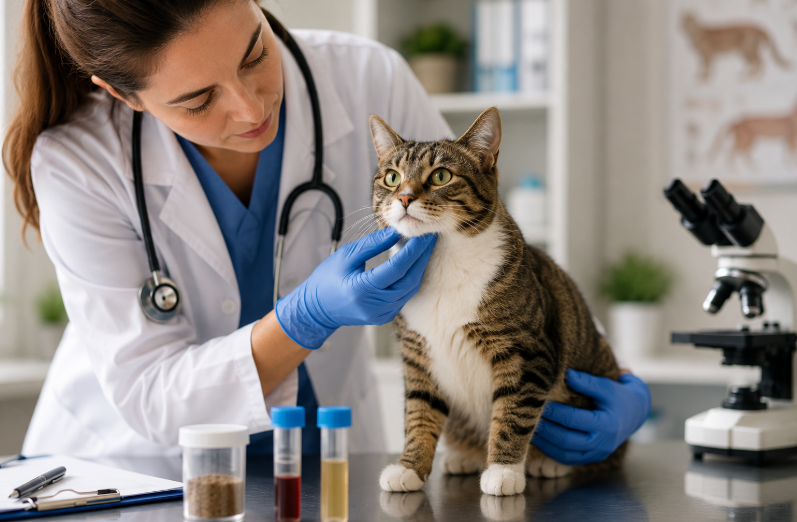
When a cat develops chronic itching, digestive upset, vomiting, diarrhea, or recurring skin problems, many owners begin searching for answers. These symptoms can be frustrating because they often appear gradually and may have multiple causes. Fortunately, veterinarians use a structured approach when diagnosing Cat Allergies and Gut Issues. Through careful observation, medical history, physical examinations, and diagnostic testing, they can identify the underlying problem and create an effective treatment plan.
Cats cannot explain what they are feeling. As a result, veterinarians rely heavily on symptoms, behavior changes, and diagnostic tools to understand what is happening inside the body. Conditions involving allergies and digestive health often overlap, making diagnosis more complex. A cat with food sensitivities may develop skin irritation, while a cat with environmental allergies may experience digestive discomfort due to stress or inflammation. Therefore, evaluating Cat Allergies and Gut Issues requires a comprehensive approach rather than a simple test.
Many owners assume allergies are easy to identify. However, feline allergies often mimic other medical conditions. Likewise, digestive disorders can resemble food intolerances, infections, or inflammatory diseases. Because multiple conditions can produce similar symptoms, veterinarians follow a step-by-step process to reach an accurate diagnosis.
Early diagnosis often improves outcomes. When problems remain untreated, ongoing inflammation can affect a cat’s comfort and overall quality of life. Consequently, understanding how veterinarians investigate these conditions helps owners appreciate the importance of professional evaluation.
Recognizing the Common Symptoms
Before diagnosing Cat Allergies and Gut Issues, veterinarians first evaluate symptoms. Cats often display signs that point toward either allergic reactions, digestive disorders, or both simultaneously.
Skin-related symptoms commonly include excessive scratching, overgrooming, hair loss, skin redness, ear irritation, and recurring skin infections. Some cats lick specific areas repeatedly, while others scratch frequently throughout the day.
Digestive symptoms may include vomiting, diarrhea, constipation, gas, bloating, appetite changes, or weight loss. Certain cats experience occasional digestive upset, while others develop chronic gastrointestinal problems.
Behavioral changes can also provide clues. A normally active cat may become withdrawn, irritable, or less interested in eating. Because discomfort often affects mood and activity levels, veterinarians consider behavioral observations an important part of evaluating Cat Allergies and Gut Issues.
Owners play a valuable role during this stage. Detailed observations regarding symptom frequency, timing, and severity help veterinarians identify potential patterns. These details often guide the next steps in the diagnostic process.
The Importance of Medical History
One of the first steps in diagnosing Cat Allergies and Gut Issues involves gathering a thorough medical history. Veterinarians ask questions about diet, environment, symptom onset, previous illnesses, medications, and lifestyle factors.
Dietary information is especially important. Owners may need to describe current food, treats, supplements, and any recent dietary changes. Since food sensitivities frequently contribute to symptoms, nutritional history often provides valuable clues.
Environmental factors also matter. Exposure to pollen, dust, mold, cleaning products, or new household items may influence allergic reactions. Consequently, veterinarians examine both dietary and environmental influences when evaluating symptoms.
The timeline of symptoms often helps narrow potential causes. For example, seasonal itching may suggest environmental allergies, while year-round digestive problems could indicate food sensitivities or chronic gastrointestinal disease.
A complete history allows veterinarians to develop a list of possible explanations for Cat Allergies and Gut Issues. From there, they can prioritize diagnostic tests and treatment strategies more effectively.
Physical Examinations and Initial Evaluation
After reviewing the medical history, veterinarians perform a comprehensive physical examination. This evaluation helps identify visible signs of disease while assessing overall health.
During examinations for Cat Allergies and Gut Issues, veterinarians inspect the skin, ears, coat, mouth, eyes, and abdomen. They look for evidence of inflammation, infections, parasites, or abnormalities that may contribute to symptoms.
Skin examinations often reveal important clues. Hair loss patterns, lesion locations, and signs of irritation can help differentiate between allergies, parasites, infections, and behavioral causes.
Abdominal palpation allows veterinarians to assess digestive health. They evaluate organ size, abdominal comfort, and potential abnormalities. While physical examinations rarely provide a complete diagnosis, they help guide further testing.
Veterinarians also assess body condition and weight. Chronic digestive disorders sometimes lead to weight loss, while ongoing inflammation may affect overall health. These findings contribute valuable information during the evaluation process.
Initial examinations frequently identify conditions that require immediate treatment. At the same time, they help determine whether additional testing is necessary.
Ruling Out Parasites and Infections
Before confirming Cat Allergies and Gut Issues, veterinarians often rule out common conditions that produce similar symptoms. Parasites and infections frequently mimic allergy-related problems.
Fleas represent one of the most common causes of itching in cats. Even a small number of fleas can trigger significant reactions in sensitive individuals. Therefore, flea control remains an essential part of allergy investigations.
Skin mites may also contribute to itching, hair loss, and irritation. Veterinarians may perform skin scrapings or other tests to identify these microscopic parasites.
Digestive parasites deserve attention as well. Intestinal worms and protozoal infections can cause diarrhea, vomiting, weight loss, and digestive discomfort. Fecal testing helps identify these potential contributors.
Bacterial and fungal infections may develop alongside allergic conditions. Because inflammation weakens the skin barrier, secondary infections frequently occur. Treating these infections often improves comfort while supporting accurate diagnosis.
By eliminating alternative explanations, veterinarians can focus more effectively on identifying the true cause of Cat Allergies and Gut Issues.
Food Trials and Allergy Investigations
Food allergies represent one possible cause of Cat Allergies and Gut Issues. Unfortunately, no simple blood test reliably confirms food allergies in cats. As a result, veterinarians often rely on elimination diet trials.
During a food trial, cats consume a carefully selected diet that contains novel or hydrolyzed protein sources. Owners must avoid all other foods, treats, and flavored medications throughout the trial period.
Food trials typically last several weeks. Improvement during this period suggests that food-related factors may contribute to symptoms. Afterward, veterinarians may reintroduce previous ingredients to confirm the diagnosis.
This process requires patience and strict compliance. However, elimination diets remain one of the most reliable methods for identifying food sensitivities associated with Cat Allergies and Gut Issues.
Some owners become discouraged by the length of food trials. Nevertheless, these evaluations often provide critical information that guides long-term management strategies.
Veterinarians frequently recommend keeping detailed symptom records during the trial. Tracking changes helps measure progress and supports accurate interpretation of results.
Advanced Testing for Digestive Disorders
When symptoms persist despite initial treatments, veterinarians may pursue additional testing. Diagnosing Cat Allergies and Gut Issues sometimes requires a deeper investigation of digestive health.
Blood tests often evaluate organ function, inflammation, nutritional status, and underlying disease. These tests help identify conditions that may contribute to digestive symptoms.
Fecal analysis remains an important diagnostic tool. Repeated testing may occasionally be necessary because some parasites are difficult to detect consistently.
Ultrasound examinations allow veterinarians to visualize internal organs and digestive structures. This imaging technique can reveal abnormalities involving the intestines, liver, pancreas, and surrounding tissues.
In some cases, veterinarians recommend endoscopy or biopsies. These procedures provide detailed information about intestinal health and may help diagnose inflammatory bowel disease or other chronic gastrointestinal conditions.
Advanced diagnostics play a valuable role when routine testing fails to identify the cause of Cat Allergies and Gut Issues. Although these procedures require additional resources, they often provide answers that guide effective treatment.
Environmental Allergy Testing
Environmental allergies present unique diagnostic challenges. Unlike food allergies, they often develop in response to substances such as pollen, mold spores, dust mites, and grasses.
Veterinarians may recommend allergy testing when symptoms strongly suggest environmental triggers. Intradermal skin testing and blood-based allergy tests can help identify specific allergens.
Although testing does not always provide definitive answers, it frequently supports treatment planning for Cat Allergies and Gut Issues involving environmental factors.
Allergy testing often becomes most useful when veterinarians consider immunotherapy. This treatment gradually exposes cats to small amounts of allergens with the goal of reducing sensitivity over time.
Environmental management strategies may also accompany testing. Reducing exposure to identified allergens can help improve symptom control and overall comfort.
Because environmental allergies often persist throughout life, accurate identification of triggers provides valuable long-term benefits.
Creating a Treatment Plan After Diagnosis
Once veterinarians identify the cause of Cat Allergies and Gut Issues, they develop individualized treatment plans. These plans vary depending on the diagnosis, symptom severity, and overall health status.
Dietary changes often form the foundation of treatment when food sensitivities contribute to symptoms. Veterinarians may recommend long-term use of specialized diets that minimize allergic reactions.
Environmental management strategies help reduce exposure to triggers. Regular cleaning, air filtration, and routine grooming may support symptom control.
Medications sometimes help manage inflammation and discomfort. Veterinarians select treatments based on the specific condition and the cat’s individual needs.
Digestive support may include probiotics, dietary adjustments, or medications designed to improve gastrointestinal health. Consequently, treatment plans often address multiple aspects of a cat’s condition simultaneously.
Regular follow-up visits allow veterinarians to monitor progress and adjust recommendations as needed. Ongoing communication between owners and veterinary professionals remains essential for successful long-term management.
Conclusion
Diagnosing Cat Allergies and Gut Issues requires a thorough and methodical approach. Because many conditions produce similar symptoms, veterinarians rely on medical histories, physical examinations, diagnostic testing, food trials, and advanced evaluations to identify the underlying cause.
While the process may take time, accurate diagnosis is essential for effective treatment. By identifying triggers and addressing underlying health concerns, veterinarians can help cats achieve greater comfort and improved quality of life.
Owners play a critical role throughout this journey. Careful observation, consistent communication, and adherence to treatment recommendations support successful outcomes. With patience and professional guidance, most cats experiencing allergies or digestive issues can enjoy healthier and more comfortable lives.
FAQ
1. What symptoms commonly indicate digestive or allergy problems in cats?
Common signs include itching, overgrooming, vomiting, diarrhea, ear irritation, and skin inflammation.
2. How long does an elimination diet usually take?
Most food trials last several weeks to allow veterinarians to evaluate changes accurately.
3. Can parasites mimic allergy symptoms?
Yes. Fleas, mites, and intestinal parasites often produce symptoms similar to allergic conditions.
4. Are blood tests enough to diagnose food sensitivities?
No. Veterinarians generally rely on elimination diet trials rather than blood tests alone.
5. Can environmental triggers affect digestive health?
In some cases, environmental allergies and inflammation may contribute to digestive discomfort and related symptoms.