
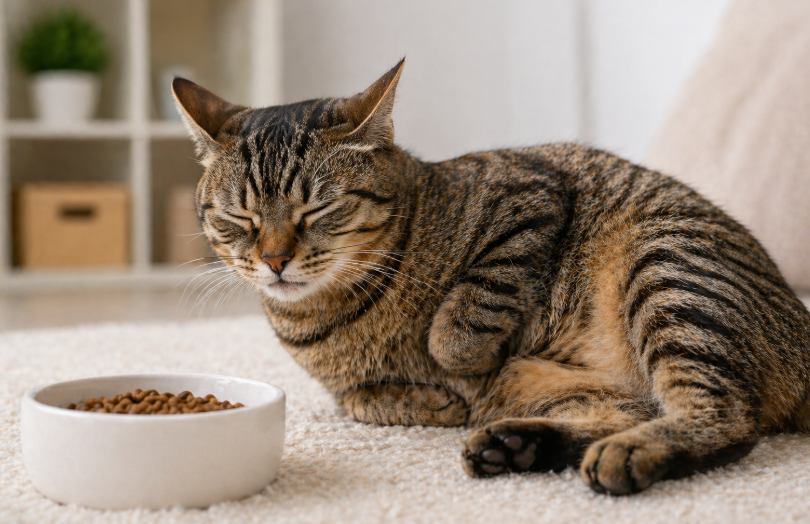
If your pet is struggling with cat digestive issues, it can quickly become a stressful experience for both of you. Digestive problems in cats are more common than many owners realize, and they often show up through symptoms like vomiting, diarrhea, or loss of appetite. Understanding cat digestive issues early allows you to take the right steps before small problems become serious health concerns.
Cats rely on a stable digestive system to absorb nutrients and maintain energy levels. When something disrupts this balance, their overall health can decline. However, with the right approach, most cat digestive issues can be managed or even prevented entirely. By focusing on diet, routine, and observation, you can help your cat return to a healthier and more comfortable state.
Common Causes Of Digestive Problems In Cats
There are several reasons why cat digestive issues develop, and identifying the cause is the first step toward fixing the problem. One of the most common triggers is sudden changes in diet. Cats have sensitive stomachs, so abrupt switches can disrupt digestion and lead to discomfort.
Food quality also plays a major role. Low-quality ingredients, fillers, and artificial additives can irritate the digestive system over time. In addition, food intolerance or allergies may cause ongoing symptoms that are difficult to detect without careful monitoring.
Another factor includes hairballs, which can interfere with digestion when they accumulate in the stomach. Stress and environmental changes can also contribute, as cats are highly sensitive to routine disruptions. Understanding these causes helps you address cat digestive issues more effectively.
Signs That Your Cat Has Digestive Issues
Recognizing symptoms early is important when dealing with cat digestive issues. Vomiting is one of the most noticeable signs, especially if it happens frequently. Occasional vomiting may not be serious, but repeated episodes should not be ignored.
Diarrhea is another common indicator. Loose stools suggest that food is not being processed properly. In some cases, constipation may occur instead, showing that digestion is not functioning smoothly.
Changes in appetite can also signal a problem. A cat that suddenly refuses food or eats less than usual may be experiencing discomfort. In addition, lethargy or reduced activity levels often accompany digestive issues. Paying attention to these signs helps you respond quickly.
How Diet Affects Your Cat’s Digestion
Diet is one of the most important factors influencing cat digestive issues. Cats require high-quality protein and balanced nutrients to maintain proper digestion. When their diet lacks these elements, problems can develop over time.
Foods with excessive fillers or artificial ingredients can irritate the stomach. On the other hand, diets with simple and natural components are often easier to digest. This is why many owners see improvements after switching to higher-quality food.
Gradual transitions are essential when changing diets. Sudden changes can worsen cat digestive issues rather than improve them. By introducing new food slowly, you give your cat’s system time to adjust.
The Role Of Gut Health In Cats
Gut health plays a crucial role in preventing cat digestive issues. The digestive system contains beneficial bacteria that help break down food and absorb nutrients. When this balance is disrupted, digestion becomes less efficient.
A healthy gut supports immunity and overall well-being. However, poor diet, stress, or illness can reduce beneficial bacteria and allow harmful ones to grow. This imbalance leads to symptoms such as diarrhea or vomiting.
Supporting gut health can improve digestion significantly. Probiotics and fiber-rich foods may help restore balance. Over time, maintaining a healthy gut reduces the likelihood of recurring cat digestive issues.
Stress And Its Impact On Digestion
Stress is often overlooked but can contribute heavily to cat digestive issues. Cats are creatures of habit, and changes in their environment can affect their digestive system. Moving homes, introducing new pets, or altering routines can trigger symptoms.
When stress levels rise, the body reacts by slowing or disrupting digestion. This can lead to diarrhea, reduced appetite, or vomiting. Even small changes can have a noticeable impact.
Creating a stable and calm environment helps reduce stress. Feeding your cat in a quiet space and maintaining consistent routines can improve digestion. Addressing stress is an important step in managing cat digestive issues.
How To Fix Digestive Issues Naturally
Fixing cat digestive issues often starts with simple changes. One of the most effective solutions is improving diet quality. Switching to food with clear, high-quality ingredients can make a significant difference.
Feeding smaller, more frequent meals can also help. This reduces strain on the digestive system and improves nutrient absorption. In addition, ensuring proper hydration supports digestion and prevents complications.
Regular grooming helps reduce hairballs, which can contribute to digestive problems. Creating a consistent feeding routine also stabilizes digestion over time. These steps provide a natural approach to resolving cat digestive issues.
When To Seek Veterinary Help
While many cases of cat digestive issues can be managed at home, some situations require professional attention. If symptoms persist for several days, it is important to consult a veterinarian. Ongoing vomiting, diarrhea, or weight loss may indicate a deeper problem.
Severe symptoms such as dehydration or extreme lethargy should be addressed immediately. Early diagnosis allows for more effective treatment and prevents complications.
Reliable resources like https://www.petmd.com/ and https://www.aafco.org/ offer helpful information about cat health. However, professional advice remains the best option for accurate diagnosis and care.
Preventing Future Digestive Problems
Preventing cat digestive issues is easier than treating them. Consistency in diet and routine is one of the most effective strategies. Avoid frequent changes in food unless necessary, and always transition gradually.
Choosing high-quality food with balanced nutrition helps maintain digestive health. Monitoring your cat’s behavior and weight also provides early warning signs of potential problems.
For additional guidance, you can visit https://www.wellnessonthegreen.com/ to explore feeding tips and strategies. By staying proactive, you can reduce the chances of recurring issues and keep your cat healthy.
Long Term Benefits Of Healthy Digestion
Maintaining good digestion offers long-term benefits for your cat. When nutrients are absorbed properly, energy levels improve and overall health becomes more stable. This reduces the risk of chronic conditions over time.
Healthy digestion also supports a strong immune system. Cats with balanced diets and stable routines tend to experience fewer health problems. In addition, improved digestion often leads to better coat quality and increased activity.
By addressing cat digestive issues early and maintaining good habits, you create a foundation for long-term wellness.
Conclusion
Cat digestive issues can arise from a variety of causes, including diet, stress, and environmental changes. While these problems can be concerning, they are often manageable with the right approach. By understanding the triggers and making simple adjustments, you can improve your cat’s digestion and overall health.
Consistency, quality nutrition, and careful observation are key to success. With time and attention, most digestive issues can be resolved, allowing your cat to live a more comfortable and healthy life.
FAQ
- What are the most common causes of digestive problems in cats?
Diet changes, poor-quality food, stress, and hairballs are common causes. - How can I improve my cat’s digestion quickly?
Switch to better food gradually and maintain consistent feeding routines. - Are digestive issues serious for cats?
They can be if symptoms persist or worsen without treatment. - Can stress affect my cat’s stomach?
Yes, stress can disrupt digestion and lead to symptoms like diarrhea. - When should I visit a veterinarian?
Seek help if symptoms last more than a few days or become severe.