
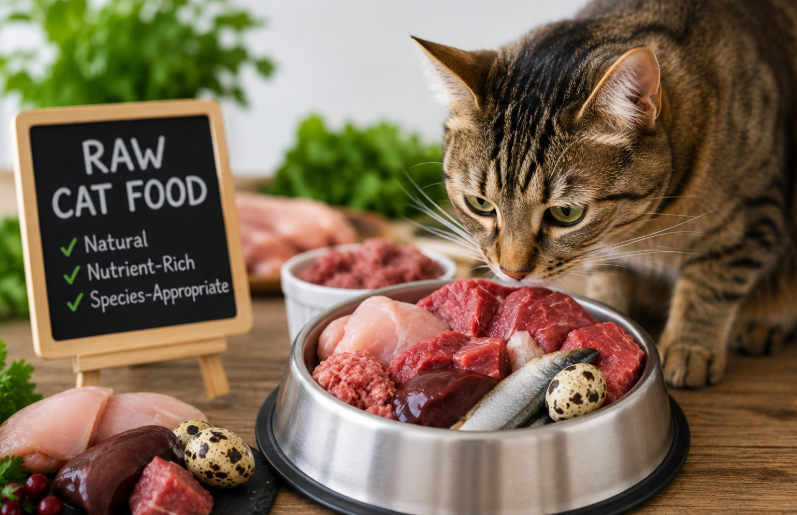
For many cat owners, nutrition has become an increasingly important part of pet care. As people pay closer attention to ingredients and feeding practices, alternative diets continue to gain popularity. One option that often generates debate is the Raw Cat Food Choice. Supporters believe it reflects what cats would naturally eat in the wild, while critics point to potential health and safety concerns. Understanding both perspectives can help owners decide whether this feeding approach is suitable for their pets.
Cats are obligate carnivores, which means they rely on nutrients found primarily in animal tissues. Their bodies are designed to process protein and fat efficiently, making meat a critical part of their diet. Because of this biological reality, many people view a Raw Cat Food Choice as a more natural feeding method than traditional commercial diets. However, natural does not always mean ideal, and every feeding strategy comes with advantages and challenges.
The concept behind raw feeding is simple. Instead of serving cooked commercial food, owners provide uncooked animal products that may include muscle meat, organs, and bones. Some raw diets are commercially prepared, while others are made at home. Advocates argue that this approach more closely resembles what a cat’s ancestors consumed before domestication.
Many pet owners become interested in raw feeding after hearing stories of shinier coats, improved energy levels, and better digestion. Although these experiences are common among enthusiasts, scientific evidence remains mixed. Therefore, evaluating the facts carefully is essential before adopting a Raw Cat Food Choice.
Cats evolved as hunters. Their wild relatives consume prey animals that provide protein, fat, moisture, and essential nutrients. Unlike humans, cats have unique nutritional requirements that depend heavily on animal-based ingredients. This evolutionary background often serves as the foundation for arguments supporting raw feeding.
Supporters frequently claim that cooking alters nutrients and reduces food quality. They believe raw ingredients retain their natural nutritional value and provide a diet that better matches feline biology. Consequently, the Raw Cat Food Choice has attracted pet owners seeking a more ancestral feeding strategy.
At the same time, modern domestic cats live very different lives from their wild counterparts. They benefit from veterinary care, controlled environments, and carefully formulated nutrition. As a result, feeding decisions should consider both evolutionary history and current scientific understanding.
Commercial pet foods are designed to provide complete and balanced nutrition. These products undergo testing and formulation processes intended to meet established nutritional standards. Therefore, comparisons between commercial diets and raw feeding require a careful examination of both nutritional quality and safety.
Potential Benefits of Feeding Raw Food
One reason owners consider a Raw Cat Food Choice is the possibility of improved coat condition. Many raw diets contain high levels of animal protein and natural fats that support healthy skin and fur. Some owners report reduced shedding, softer coats, and improved overall appearance after making the switch.
Hydration is another frequently cited advantage. Raw foods naturally contain significant moisture. Since cats often have a low thirst drive, moisture-rich diets may support hydration more effectively than dry kibble. Proper hydration can contribute to urinary tract health and overall well-being.
Digestive improvements are also commonly reported. Some cats produce smaller stools and appear to digest raw food efficiently. Supporters suggest that highly digestible animal-based ingredients may contribute to these results.
Energy levels may improve as well. Many enthusiasts believe a Raw Cat Food Choice supports lean muscle development and sustained vitality. Because protein plays such an important role in feline nutrition, diets emphasizing animal ingredients may help maintain healthy body composition.
Another frequently mentioned benefit involves ingredient transparency. Owners preparing meals themselves know exactly what goes into each serving. This level of control can appeal to those seeking to avoid certain additives, fillers, or artificial ingredients.
Despite these potential advantages, it is important to remember that individual responses vary. What works well for one cat may not necessarily produce the same results for another.
Understanding the Risks and Challenges
Although raw feeding offers potential benefits, it also presents significant challenges. One of the primary concerns involves bacterial contamination. Raw meat can contain pathogens such as Salmonella and E. coli. These bacteria may affect both pets and humans within the household.
Food safety becomes especially important when handling raw ingredients. Owners must follow strict hygiene practices to minimize risks. Proper storage, preparation, and cleaning procedures are essential components of any Raw Cat Food Choice.
Nutritional balance presents another challenge. Cats require specific amounts of protein, fat, vitamins, minerals, and amino acids. Creating a balanced raw diet requires careful planning and nutritional expertise. Incomplete or poorly formulated diets can lead to deficiencies over time.
Calcium and phosphorus balance deserves special attention. Cats require appropriate ratios of these minerals to support bone health and overall function. Homemade diets that lack proper formulation may fail to meet these requirements.
Some veterinarians also express concern about bones included in certain raw diets. While bones can provide minerals and enrichment, they may also create choking hazards or contribute to dental injuries. Therefore, selecting appropriate feeding methods requires careful consideration.
A Raw Cat Food Choice may also be more expensive than conventional feeding approaches. High-quality ingredients, storage requirements, and preparation time can increase overall costs. Owners should evaluate whether the long-term commitment aligns with their budget and lifestyle.
For multi-pet households, raw feeding may present additional logistical challenges. Ensuring proper storage and preventing cross-contamination require ongoing attention and organization.
Commercial Raw Diets Versus Homemade Options
Pet owners interested in raw feeding generally choose between commercial products and homemade meals. Each option offers unique advantages and disadvantages.
Commercial raw diets often undergo formulation processes designed to provide complete nutrition. Many manufacturers employ veterinary nutritionists and follow established nutritional guidelines. As a result, these products may reduce some of the risks associated with homemade preparation.
For those considering a Raw Cat Food Choice, commercial products can offer convenience and consistency. Frozen and freeze-dried options are widely available, making implementation easier for many households.
Homemade raw diets provide greater control over ingredient selection. Owners can customize recipes based on individual preferences and dietary goals. However, this flexibility comes with added responsibility.
Balancing nutrients accurately requires extensive research and careful planning. Without expert guidance, homemade diets may fail to meet essential nutritional requirements. Consequently, many veterinary professionals recommend consulting a qualified nutrition expert before preparing homemade meals.
Regardless of the chosen method, food quality remains critical. Fresh ingredients, proper storage, and attention to nutritional balance all influence the success of a raw feeding program.
What Veterinary Experts Commonly Recommend
Veterinary opinions on raw feeding vary. Some practitioners support carefully managed raw diets when they are nutritionally complete and properly handled. Others remain cautious due to concerns about bacterial contamination and nutritional imbalances.
Most experts agree that nutritional adequacy is the most important consideration. Whether feeding raw, canned, or dry food, cats require complete and balanced nutrition. Therefore, the quality of the diet often matters more than the feeding philosophy itself.
A Raw Cat Food Choice should never be implemented without adequate research. Owners should understand the nutritional needs of cats and be prepared to follow safe food handling practices consistently.
Veterinarians may recommend regular health monitoring for cats consuming raw diets. Routine examinations and nutritional assessments can help identify potential concerns before they become serious problems.
Cats with certain medical conditions may require specialized diets that differ from standard raw feeding approaches. Consequently, veterinary guidance becomes especially important when health issues are present.
How to Decide if Raw Feeding Is Right for Your Cat
Choosing the best diet requires evaluating several factors. A cat’s age, health status, activity level, and lifestyle all influence nutritional requirements. What works for one pet may not be appropriate for another.
Owners considering a Raw Cat Food Choice should begin by researching reputable sources of information. Understanding both benefits and risks helps support informed decision-making.
It is also important to assess personal commitment. Raw feeding requires attention to food safety, storage, preparation, and nutritional balance. Owners who prefer convenience may find high-quality commercial diets more practical.
Observing a cat’s response to any dietary change is equally important. Coat condition, body weight, digestion, energy levels, and overall health can provide valuable feedback about nutritional success.
Ultimately, the goal should be supporting long-term health rather than following trends. Every dietary decision should prioritize the unique needs of the individual cat.
Conclusion
The Raw Cat Food Choice continues to generate interest among pet owners seeking a diet that reflects feline evolutionary history. Supporters often report benefits such as improved coat quality, increased hydration, and better overall vitality. However, these potential advantages must be weighed against challenges that include food safety concerns, nutritional balance, and preparation requirements.
There is no universal answer for every cat. Some pets may thrive on carefully managed raw diets, while others do exceptionally well on high-quality commercial foods. The most important factor is ensuring complete and balanced nutrition that supports long-term health and well-being.
By researching thoroughly, consulting qualified professionals, and considering your cat’s individual needs, you can make an informed decision about whether raw feeding aligns with your goals. Ultimately, the healthiest diet is one that provides appropriate nutrition, supports wellness, and fits safely within your lifestyle.
FAQ
1. Is uncooked food closer to what wild cats eat?
Yes. Wild cats consume raw prey, which is one reason many owners consider ancestral-style feeding approaches.
2. Can a raw diet improve coat quality?
Some owners report shinier coats and healthier skin, although results vary between individual cats.
3. Are there safety concerns with uncooked meat?
Yes. Raw ingredients may contain harmful bacteria if not handled and stored properly.
4. Should homemade recipes be created without professional guidance?
No. Nutritional balance is essential, and expert advice can help prevent deficiencies.
5. Is this feeding approach suitable for every cat?
Not necessarily. Age, health conditions, and individual nutritional needs should always be considered.