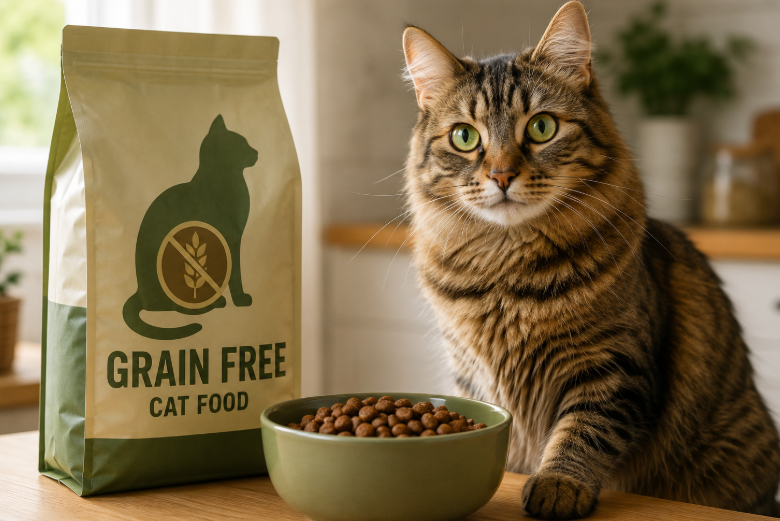
If you have ever stood in a pet store aisle comparing labels, you have probably wondered, Is Grain Free Cat Food Healthier than traditional cat food. Grain-free formulas have become increasingly popular over the last decade. Many brands market them as a more natural option that better matches a cat’s biological needs. However, the truth is more complex than the packaging might suggest.
Cats are obligate carnivores, which means they rely heavily on animal protein to thrive. Because of this, many owners assume grains have little nutritional value for felines. While cats certainly require high levels of meat-based protein, grains are not automatically harmful. In fact, many grains provide useful nutrients when included in balanced amounts. Understanding the science behind feline nutrition can help answer the important question: Is Grain Free Cat Food Healthier for every cat, or is it simply another pet food trend?
Before making dietary changes, it is important to understand what grain-free cat food actually means. These products exclude ingredients such as wheat, corn, rice, barley, and oats. Instead, manufacturers often replace grains with alternatives like potatoes, peas, lentils, chickpeas, or sweet potatoes. As a result, grain-free does not necessarily mean carbohydrate-free.
Many people believe cats cannot digest grains. However, properly cooked grains are generally digestible for healthy cats. Furthermore, grains can provide energy, fiber, vitamins, and minerals. This does not mean every cat should eat grains, but it highlights why the debate around feline nutrition is not always straightforward.
Why Grain-Free Diets Became So Popular
The popularity of grain-free pet food grew alongside human dietary trends. As gluten-free and grain-free diets gained attention among consumers, pet food companies began promoting similar concepts for pets. Consequently, grain-free labels became associated with premium nutrition and improved health.
Marketing campaigns often suggested that grains contribute to obesity, allergies, digestive problems, and poor coat quality. Although these claims sound convincing, scientific evidence does not always support them. Most food allergies in cats involve animal proteins rather than grains. Chicken, beef, dairy, and fish are far more common allergens than wheat or corn.
Even so, some cats do show sensitivities to specific grain ingredients. In those situations, eliminating the problematic ingredient may improve symptoms. However, this does not automatically prove that Is Grain Free Cat Food Healthier for all cats. Instead, it demonstrates that nutrition should be tailored to individual needs.
Another factor behind the popularity of grain-free diets is the desire to mimic a wild feline diet. Since wild cats consume prey rather than grain-based foods, many owners assume domestic cats should eat similarly. While this reasoning has merit, modern pet nutrition must also account for complete and balanced nutrient requirements.
A wild diet and a balanced commercial diet are not exactly the same. Therefore, pet owners should evaluate the entire nutritional profile rather than focusing on a single ingredient category.
Potential Benefits of Grain-Free Cat Food
There are several reasons why some owners choose grain-free formulas. One potential advantage is the emphasis many premium brands place on animal protein. Since cats depend heavily on protein, diets rich in high-quality meat sources can support muscle maintenance and overall health.
Some owners also report improvements in coat condition after switching foods. A healthier coat often reflects better nutrition overall. High-quality grain-free formulas frequently contain beneficial fatty acids, vitamins, and minerals that support skin and fur health.
Digestive improvements are another commonly cited benefit. Certain cats experience less digestive discomfort when specific ingredients are removed from their diet. If grains contribute to an individual cat’s digestive issues, switching foods may help improve stool quality and comfort.
Weight management may also improve in some cases. Premium grain-free diets often contain more protein, which can help cats feel satisfied while maintaining lean muscle mass. However, calorie content remains important. Grain-free food can still contribute to weight gain if portions are excessive.
When considering whether Is Grain Free Cat Food Healthier, it is worth noting that many reported benefits stem from overall ingredient quality rather than grain removal alone. A high-quality traditional formula may provide similar advantages.
Understanding the Nutritional Differences
Nutrition labels can be confusing, especially when marketing claims dominate product packaging. To determine whether Is Grain Free Cat Food Healthier, owners must look beyond the grain-free label and examine the ingredient list.
The first ingredients should ideally be named animal proteins. Chicken, turkey, salmon, duck, and rabbit are examples of quality protein sources. These ingredients support the nutritional needs of obligate carnivores far more effectively than plant-based protein substitutes.
It is also important to evaluate fat content. Healthy fats support energy levels, skin health, and nutrient absorption. Omega-3 and omega-6 fatty acids play a significant role in maintaining a shiny coat and healthy skin.
Fiber contributes to digestive health as well. While grains can provide fiber, alternative ingredients such as pumpkin and certain vegetables may serve a similar purpose in grain-free diets. Therefore, nutritional balance remains the key factor.
A food containing grains is not automatically inferior. Likewise, a grain-free formula is not automatically superior. The quality of ingredients, manufacturing standards, and nutrient balance all matter more than the presence or absence of grains alone.
Potential Drawbacks of Grain-Free Diets
Although grain-free foods offer potential benefits, they also come with certain considerations. One common misconception is that grain-free means low carbohydrate. In reality, many manufacturers replace grains with other carbohydrate-rich ingredients.
Peas, lentils, and potatoes often appear in grain-free formulas. While these ingredients can be nutritious, they may still contribute significant carbohydrate levels. As a result, some grain-free products provide little practical difference from traditional foods in terms of carbohydrate content.
Cost is another factor. Grain-free foods are often more expensive than conventional options. Higher prices may reflect premium ingredients, but they do not always guarantee better nutrition.
Additionally, some owners become so focused on grain avoidance that they overlook more important nutritional factors. Protein quality, calorie balance, hydration, and overall nutrient composition have a greater impact on feline health.
Therefore, asking Is Grain Free Cat Food Healthier requires careful evaluation of the entire recipe rather than a single label claim.
Which Cats May Benefit Most
Not every cat requires a grain-free diet. However, certain cats may benefit from one. Cats with confirmed grain sensitivities are obvious candidates. In these cases, eliminating the problematic ingredient can reduce symptoms and improve quality of life.
Cats with recurring digestive issues may also benefit from dietary adjustments. Although grains are not always the cause, a carefully monitored food trial can help identify potential triggers.
Some highly active cats thrive on protein-rich diets that happen to be grain-free. Likewise, cats with skin issues may improve when switched to a premium formula containing high-quality proteins and healthy fats.
Veterinary guidance remains essential during any major dietary transition. Every cat has unique nutritional requirements based on age, activity level, health status, and medical history.
For this reason, the answer to Is Grain Free Cat Food Healthier often depends on the individual cat rather than a universal rule.
How to Choose the Best Food for Your Cat
Selecting cat food should involve more than reading front-label marketing claims. Instead, start by examining the ingredient list and nutritional analysis. Look for high-quality animal proteins as the primary ingredients.
Next, evaluate whether the food meets established nutritional standards for complete and balanced diets. Reputable manufacturers often provide detailed information about ingredient sourcing and quality control practices.
Hydration also plays a critical role in feline health. Many veterinarians recommend incorporating wet food into a cat’s diet because it increases moisture intake. Whether the food is grain-free or traditional, adequate hydration supports kidney and urinary tract health.
Owners should also monitor their cat’s response after switching foods. Improvements in energy levels, coat condition, digestion, and body weight can provide valuable insights into whether a particular diet is working well.
Most importantly, remember that there is no single perfect food for every cat. Individual needs vary significantly, making personalized nutrition the most effective approach.
Conclusion
The question Is Grain Free Cat Food Healthier does not have a simple yes-or-no answer. Grain-free diets can offer benefits for certain cats, particularly those with ingredient sensitivities or those thriving on high-protein formulations. However, grains themselves are not inherently harmful, and many cats live long, healthy lives on balanced diets that include them.
Rather than focusing solely on whether food contains grains, cat owners should prioritize overall nutritional quality. High-quality animal protein, balanced nutrients, healthy fats, and appropriate calorie levels are far more important indicators of a good diet. By looking beyond marketing trends and considering your cat’s unique needs, you can make informed decisions that support lifelong health and well-being.
FAQ
1. Are grains harmful to most cats?
No. Most healthy cats can digest properly cooked grains without any problems.
2. Can grain-free food help with allergies?
It may help if a cat has a confirmed sensitivity to a specific grain ingredient, although protein allergies are more common.
3. Does grain-free food contain fewer carbohydrates?
Not necessarily. Many formulas replace grains with peas, potatoes, or legumes that still provide carbohydrates.
4. Should indoor cats eat grain-free diets?
Indoor cats can thrive on either grain-free or traditional diets if the food provides complete and balanced nutrition.
5. What matters most when choosing cat food?
Ingredient quality, protein sources, nutrient balance, and your cat’s individual health needs are the most important factors.