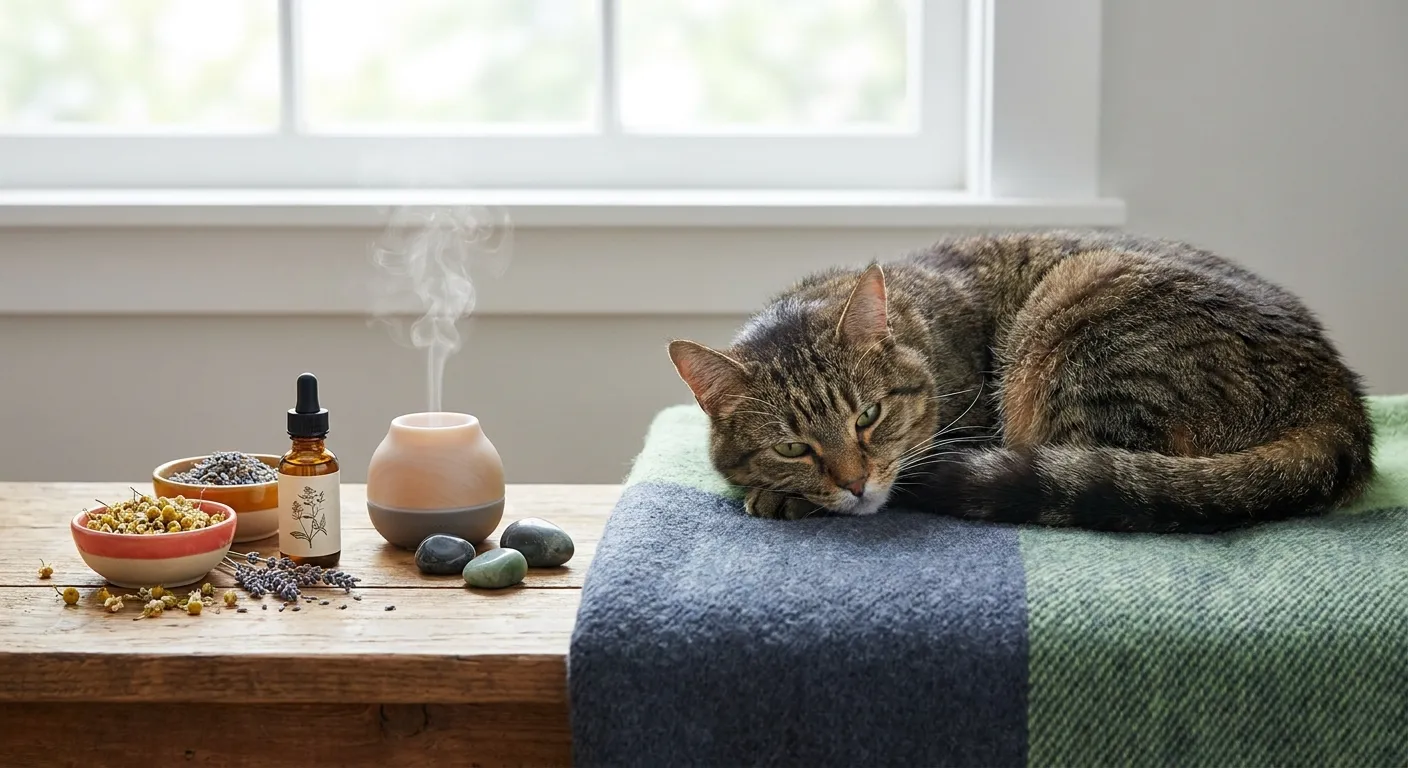
In our increasingly busy lives, it’s easy to overlook the subtle signs of stress and anxiety in our feline companions. However, with the deepening human-pet bond and a growing focus on mental health and emotional wellness in pets, many cat owners are seeking natural calming remedies for cats to help their beloved companions navigate a sometimes-stressful world. The Natural Cats believes in a holistic approach, offering gentle, effective alternatives to support your cat’s emotional well-being without resorting to conventional remedies alone. This article explores natural ways to soothe feline anxiety, aligning with the industry’s shift towards integrated pet health.
Recognizing Feline Stress: More Than Just Hiding
Cats are masters of disguise, often hiding their discomfort. Feline anxiety can manifest in various ways, from subtle changes in behavior like increased hiding or reduced play, to more overt signs such as excessive grooming, house soiling, aggression, or changes in appetite. Chronic stress can have a significant impact on physical health, contributing to conditions like bladder issues (FIC), digestive upsets, and a weakened immune system. Recognizing these signs early is key to intervention, and vets are increasingly discussing mental wellness during routine visits, reflecting a broader industry trend towards preventive healthcare. For instance, understanding Cat Sleep Stress and Why Rest Gets Disrupted can provide further insights into behavioral indicators.
The Gentle Power of Natural Calming Remedies for Cats
The good news is that a variety of natural options can help alleviate feline anxiety, offering a gentle path to peace. The demand for condition-specific supplements with thoughtfully selected active ingredients is surging, moving beyond generic multivitamins, and extending to calming products that are a core component of modern pet care.
Adaptogenic Herbs & Functional Fungi for Feline Wellness
Adaptogenic herbs like Ashwagandha are becoming prominent for managing stress and inflammation, not just for humans, but for pets too. These herbs help the body adapt to various stressors, promoting balance. For cognitive support and nervous system health, functional fungi like Lion’s Mane are gaining traction. They work to support overall neurological balance, which can be beneficial for anxious pets. Furthermore, a growing body of research supports the use of adaptogens in animal health, as highlighted by resources like the National Center for Biotechnology Information.
Omega-3s & CBD: Modern Calming Solutions
Omega-3 fatty acids, commonly found in fish oil, are renowned for their anti-inflammatory properties and can play a role in mood regulation. The global functional pet food market highlights the demand for such beneficial ingredients. Additionally, CBD products are rapidly growing in popularity, with many owners reporting positive effects on stress, mobility, and appetite in their cats. When considering CBD, always opt for high-quality, third-party tested products specifically formulated for pets. The FDA’s stance on CBD for pets emphasizes the need for careful consideration and professional guidance.
Creating a Sanctuary: Environmental & Behavioral Support
Beyond supplements, creating a calm and predictable home environment is paramount for an anxious cat. This integrated approach encompasses physical, emotional, and mental well-being. A stable routine, ample vertical space, and designated quiet zones can significantly reduce stress. Moreover, understanding Cat Behavior Enrichment Ideas That Work Fast can provide practical strategies to keep your cat mentally stimulated and content.
The Importance of Routine and Safe Spaces
Cats thrive on routine. Predictable feeding times, play sessions, and quiet periods help them feel secure. Providing safe, elevated spaces where your cat can observe their surroundings without feeling exposed is crucial. Consider cat trees, wall shelves, or cozy beds in quiet corners. These sanctuaries offer a sense of control and security, which can greatly reduce anxiety. A consistent environment helps your cat anticipate events, reducing uncertainty and fear.
Pheromone Diffusers and Sprays
Synthetic feline pheromones, mimicking the natural calming signals cats produce, can be highly effective. Diffusers release these pheromones into the air, creating a reassuring atmosphere throughout the home. Sprays can be used on carriers or bedding for targeted relief during stressful events like vet visits or travel. These products are a non-invasive way to support emotional balance.
Enrichment and Play Therapy
Mental and physical stimulation are vital for a cat’s well-being. Interactive play, puzzle toys, and regular exercise can help dissipate pent-up energy and reduce stress. Engaging your cat in play helps build confidence and strengthens the human-animal bond. A bored cat is more prone to anxiety and destructive behaviors. Therefore, enrichment is a key component of any holistic anxiety management plan.
Nutritional Support for Feline Calmness
Diet plays a significant role in overall health, including mental well-being. A balanced, species-appropriate diet provides the essential nutrients for optimal brain function and a robust immune system. Some cats may benefit from diets rich in L-tryptophan, an amino acid precursor to serotonin, a neurotransmitter associated with mood regulation. When considering dietary changes, always consult with your veterinarian. Exploring Balanced Natural Cat Nutrition Made Simple can offer further guidance on optimal feeding practices.
Prebiotics and Probiotics for Gut-Brain Axis Health
Emerging research highlights the strong connection between gut health and brain function, known as the gut-brain axis. A healthy gut microbiome can influence mood and behavior. Incorporating prebiotics and probiotics into your cat’s diet can support digestive health, which in turn may contribute to a calmer demeanor. These beneficial bacteria help maintain a balanced gut, which is essential for overall wellness and can be a component of natural calming remedies for cats.
Avoiding Food Sensitivities
Food sensitivities or allergies can manifest as stress and discomfort, indirectly contributing to anxiety. Identifying and eliminating problematic ingredients can significantly improve a cat’s quality of life. Symptoms might include digestive upset, skin irritation, or behavioral changes. Understanding Cat Allergies and Gut Issues Vets Diagnose can help pinpoint potential dietary triggers and guide you towards appropriate dietary adjustments.
When to Seek Professional Guidance
While natural calming remedies for cats offer significant benefits, it’s crucial to remember that severe or persistent anxiety may require professional intervention. A veterinarian can rule out underlying medical conditions that might be contributing to stress. Furthermore, a certified feline behaviorist can provide tailored strategies and support for complex behavioral issues. Combining natural approaches with professional advice ensures the most comprehensive care for your anxious cat. Early intervention is always best for your cat’s long-term health and happiness.
Integrating Holistic Approaches for Lasting Peace
The journey to soothe feline anxiety is often multifaceted, requiring patience and a commitment to understanding your cat’s unique needs. By combining environmental enrichment, nutritional support, and thoughtfully selected natural calming remedies for cats, you can create a harmonious environment that fosters peace and well-being. Remember, a holistic approach views your cat as a whole being, where physical, mental, and emotional health are interconnected. This integrated perspective is crucial for achieving lasting calm and helping your cherished companion thrive. Embracing these methods allows you to provide comprehensive support, ensuring your cat lives a happy, stress-free life.
FAQ
What are some common signs that my cat is anxious?
Anxious cats may show increased hiding, reduced play, excessive grooming, house soiling outside the litter box, changes in appetite, or aggression. Subtle shifts in their usual behavior are often the first indicators.
How quickly do natural anxiety relief options for cats work?
The timeframe for seeing results from natural anxiety relief for cats can vary. Some cats may respond within days, while others might take several weeks to show significant improvement. Consistency is key, and it often requires a combination of strategies.
Are there any side effects to using herbal calming aids for felines?
While generally safe, some herbal calming aids for felines can have mild side effects, such as drowsiness or digestive upset. Always introduce new supplements gradually and monitor your cat closely. Consult your veterinarian before starting any new regimen.
Can diet impact my cat’s stress levels?
Absolutely. A balanced, species-appropriate diet is crucial for overall health, including mental well-being. Certain nutrients, like L-tryptophan, can support mood regulation, and avoiding food sensitivities can reduce discomfort that contributes to stress. Proper nutrition is a foundational aspect of managing feline anxiety.
What environmental changes can help reduce feline nervousness?
Creating a predictable routine, providing safe elevated spaces, using feline pheromone diffusers, and engaging in regular interactive play can significantly reduce feline nervousness. A calm and enriched environment is vital for an anxious cat’s peace of mind.