Cat anxiety symptoms can appear in subtle ways, yet they often have a strong impact on your cat’s daily life. While cats are known for their independence, they are also sensitive to changes in their environment. As a result, stress and anxiety can build up quickly, especially if triggers are not addressed early. Understanding these signals allows you to respond with care and create a calmer, safer space for your cat.
Many cat owners assume unusual behavior is just part of a cat’s personality. However, anxiety is often the underlying cause. When you learn to recognize cat anxiety symptoms, you can take meaningful steps to improve your cat’s emotional well-being. Over time, this awareness helps build a stronger bond while supporting a healthier and more relaxed lifestyle.
What Causes Stress And Anxiety In Cats
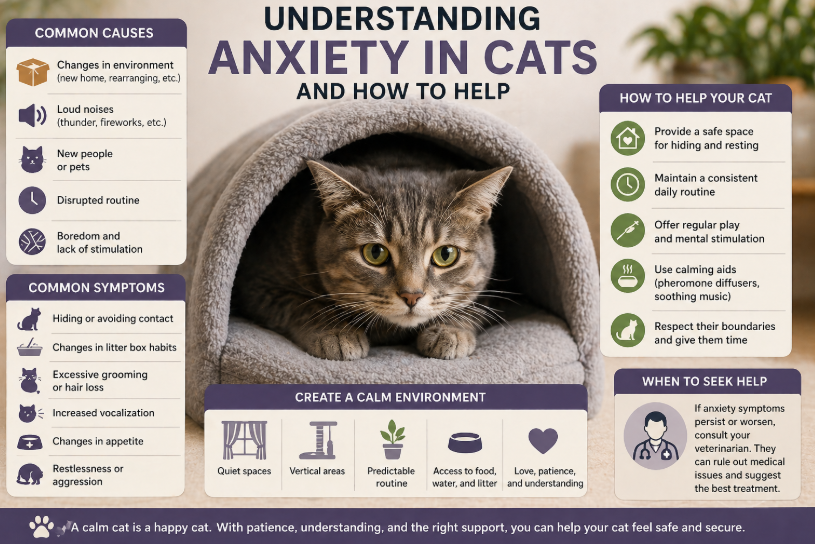
Cats thrive on routine, so sudden changes can easily disrupt their sense of security. Moving to a new home, introducing a new pet, or even rearranging furniture can trigger stress. Because cats rely heavily on familiarity, even small changes can lead to noticeable cat anxiety symptoms.
In addition, loud noises and unfamiliar visitors can create discomfort. Cats are naturally cautious animals, so unexpected sounds or new people may feel threatening. As a result, they may retreat, hide, or show signs of distress. These reactions are often early indicators that your cat is feeling overwhelmed.
Another common cause is a lack of stimulation. Indoor cats, in particular, may experience boredom, which can lead to anxiety over time. Without enough mental and physical activity, stress can build and contribute to behavioral issues. Therefore, understanding the causes behind cat anxiety symptoms helps you address them more effectively.
Common Behavioral Signs To Watch For
Recognizing early warning signs is essential when dealing with anxiety. One of the most noticeable cat anxiety symptoms is excessive grooming. Cats may lick or bite their fur more than usual, sometimes leading to bald spots or skin irritation.
Changes in appetite can also signal stress. Some cats may eat less, while others may overeat as a coping mechanism. Either way, sudden changes in eating habits should not be ignored, as they may point to underlying anxiety.
Litter box issues are another red flag. Cats experiencing stress may avoid the litter box or have accidents outside of it. While medical conditions should always be ruled out, anxiety is a common cause of this behavior.
In addition, vocalization may increase. Cats might meow more frequently or make unusual sounds when they feel uneasy. These changes, combined with other cat anxiety symptoms, provide important clues about your cat’s emotional state.
Physical Signs That Should Not Be Ignored
Anxiety does not only affect behavior; it can also impact physical health. Cats experiencing stress may show signs such as dilated pupils, rapid breathing, or a tense body posture. These physical cat anxiety symptoms often appear during moments of heightened stress.
In some cases, chronic anxiety can weaken the immune system. This makes cats more vulnerable to illness over time. Therefore, addressing stress early is important for maintaining overall health.
Sleep patterns may also change. While cats typically sleep a lot, anxious cats may either sleep excessively or struggle to rest. Disrupted sleep can further contribute to stress, creating a cycle that becomes harder to break.
How Environment Plays A Key Role
Your cat’s environment has a major influence on their emotional well-being. A safe, predictable space helps reduce stress and minimize cat anxiety symptoms. Providing quiet areas where your cat can retreat is especially important in busy households.
Vertical spaces, such as cat trees or shelves, can also make a difference. Cats feel more secure when they can observe their surroundings from a higher position. This added sense of control helps reduce anxiety and build confidence.
In addition, maintaining a consistent routine is crucial. Feeding, playtime, and rest should happen at similar times each day. This predictability creates a sense of stability, which can significantly reduce cat anxiety symptoms over time.
The Importance Of Play And Mental Stimulation
Play is not just about fun; it is an essential part of managing stress. Interactive toys and regular play sessions provide both physical exercise and mental engagement. As a result, they help release built-up energy that could otherwise contribute to anxiety.
Cats have natural hunting instincts, so activities that mimic hunting can be especially effective. Wand toys, puzzle feeders, and laser pointers can all help keep your cat engaged. When used consistently, these tools reduce boredom and improve overall mood.
Moreover, playtime strengthens the bond between you and your cat. This connection builds trust and creates a sense of security. Over time, this emotional support helps minimize cat anxiety symptoms and encourages a more relaxed behavior pattern.
Simple Ways To Calm An Anxious Cat
Creating a calm environment is one of the most effective ways to manage anxiety. Soft lighting, quiet spaces, and familiar scents can all help your cat feel more at ease. Even small changes can make a noticeable difference in reducing cat anxiety symptoms.
Additionally, pheromone diffusers can be useful. These products mimic natural calming signals that cats use to communicate safety. While they are not a complete solution, they can support other strategies and create a more relaxed atmosphere.
Gentle interaction is also important. Forcing attention can increase stress, so it is best to let your cat approach you on their own terms. Respecting their boundaries helps build trust and reduces anxiety over time.
When To Seek Professional Help
While many cases of anxiety can be managed at home, some situations require professional support. If cat anxiety symptoms persist or worsen, consulting a veterinarian is the best course of action. They can rule out medical issues and provide tailored advice.
In some cases, behavioral therapy or medication may be recommended. These options are typically used when anxiety significantly affects a cat’s quality of life. With proper guidance, they can be highly effective in managing severe cases.
Early intervention is always beneficial. Addressing issues before they escalate makes treatment more manageable and improves long-term outcomes. Therefore, do not hesitate to seek help if needed.
Building Long-Term Emotional Stability
Helping your cat overcome anxiety is not a one-time effort. It requires consistency, patience, and understanding. By addressing triggers and maintaining a stable environment, you can gradually reduce cat anxiety symptoms and improve your cat’s quality of life.
Routine plays a central role in this process. When your cat knows what to expect, they feel more secure. This sense of predictability helps prevent future stress and supports emotional balance.
In addition, positive reinforcement can encourage calm behavior. Rewarding your cat for relaxed actions helps reinforce those habits. Over time, this approach creates lasting changes that promote a more peaceful and confident cat.
Conclusion
Understanding cat anxiety symptoms is essential for providing the care your cat truly needs. By recognizing the signs, identifying triggers, and creating a supportive environment, you can help your cat feel safer and more relaxed. Although anxiety can be challenging, it is manageable with the right approach.
Small, consistent changes often lead to the best results. Whether it is improving your cat’s environment, increasing playtime, or seeking professional advice, each step contributes to better well-being. With patience and attention, you can build a calm and secure life for your cat that supports both emotional and physical health.
FAQ
- What are the first signs of stress in cats?
Early signs include hiding, reduced appetite, and changes in grooming or behavior patterns. - Can indoor cats experience anxiety more often?
Yes, indoor cats may feel stressed due to limited stimulation or environmental changes. - How can I calm my cat quickly?
Provide a quiet space, avoid sudden movements, and use calming tools like pheromone diffusers. - Is excessive grooming always a sign of stress?
Not always, but it is a common indicator and should be monitored closely for patterns. - When should I consult a veterinarian for stress issues?
If symptoms persist or worsen, it is best to seek professional advice for proper diagnosis and treatment.