
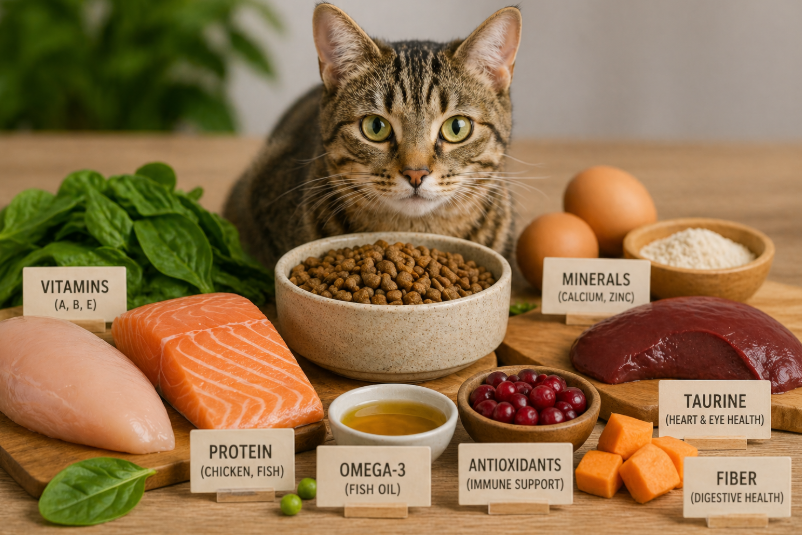
Choosing the right food for your cat can feel overwhelming, especially with so many options on the market. However, understanding healthy cat food ingredients makes the process much simpler and more effective. When you know what goes into your cat’s diet, you can make better decisions that support long-term health, energy, and overall happiness.
Cats are obligate carnivores, which means their bodies are designed to thrive on animal-based nutrition. Therefore, every meal should prioritize high-quality protein and essential nutrients. While flashy packaging and marketing claims can be distracting, focusing on the actual ingredients is what truly matters. As a result, learning to identify healthy cat food ingredients is one of the most important steps you can take as a responsible pet owner.
Why Ingredient Quality Matters More Than Brand Names
Many cat owners rely on brand reputation when choosing food, yet the ingredient list tells a more accurate story. Even well-known brands can include fillers or low-quality components that offer little nutritional value. On the other hand, lesser-known brands may provide excellent formulas built around healthy cat food ingredients that genuinely benefit your cat.
Quality ingredients support digestion, immune function, and coat health. For example, natural proteins and fats are easier for cats to process, which leads to better nutrient absorption. In contrast, heavily processed fillers can cause digestive issues or unnecessary weight gain. Therefore, paying attention to ingredient quality is far more important than focusing on brand popularity alone.
Additionally, high-quality ingredients reduce the need for artificial additives. When food is naturally rich in nutrients, there is less reliance on synthetic vitamins or preservatives. This creates a more balanced and safer diet for your cat over time.
Animal-Based Proteins As The Foundation Of Good Nutrition
Protein is the most important component of any feline diet, and it should always come from animal sources. Chicken, turkey, fish, and beef are some of the most common options found in healthy cat food ingredients. These proteins provide essential amino acids, including taurine, which is critical for heart and eye health.
Moreover, named protein sources are always preferable to vague labels. For instance, “chicken” or “salmon” is far better than “meat by-products” or “animal meal.” Clear labeling indicates higher quality and better sourcing practices. As a result, your cat receives more consistent and reliable nutrition.
Protein also plays a key role in maintaining muscle mass. Cats rely on strong muscles for mobility and overall vitality, especially as they age. Therefore, diets rich in healthy cat food ingredients that include real meat can help support a longer and more active life.
Healthy Fats That Support Energy And Coat Health
Fats are another essential part of a balanced feline diet. While they often get a bad reputation, the right types of fats are incredibly beneficial. Omega-3 and omega-6 fatty acids are commonly found in healthy cat food ingredients and play a major role in skin and coat health.
Fish oil, chicken fat, and flaxseed are excellent sources of these beneficial fats. They help maintain a shiny coat, reduce inflammation, and support brain function. In addition, fats provide a concentrated source of energy, which is especially important for active cats.
However, balance is key. Too much fat can lead to weight gain, while too little can cause dry skin and low energy levels. Therefore, choosing food that contains properly balanced healthy cat food ingredients ensures your cat receives the right amount of nutrients without excess.
Essential Vitamins And Minerals For Daily Wellness
Vitamins and minerals are crucial for maintaining overall health. They support everything from bone strength to immune function. High-quality cat foods include these nutrients naturally through whole food sources, making them more effective and easier to absorb.
Common healthy cat food ingredients that provide vitamins include liver, eggs, and certain vegetables. These ingredients offer a wide range of nutrients, including vitamin A, B vitamins, and iron. As a result, your cat benefits from improved energy levels and stronger immunity.
In addition, minerals like calcium and phosphorus support bone development and dental health. When these nutrients are balanced correctly, they contribute to long-term wellness. Therefore, a diet rich in natural sources of vitamins and minerals is always preferable.
Digestive Support Through Natural Fiber Sources
Although cats are primarily carnivores, small amounts of fiber can benefit their digestive system. Ingredients like pumpkin, sweet potato, and certain grains can be found in healthy cat food ingredients and help regulate digestion.
Fiber supports healthy bowel movements and can prevent issues like constipation or diarrhea. In addition, it helps maintain a healthy gut environment, which plays a role in overall immune function. However, fiber should always be included in moderation to avoid disrupting the protein-focused diet cats require.
Furthermore, natural fiber sources are easier to digest than artificial fillers. This makes them a better choice for cats with sensitive stomachs. As a result, including balanced amounts of fiber in healthy cat food ingredients can improve both comfort and health.
Avoiding Harmful Fillers And Artificial Additives
While focusing on beneficial ingredients is important, avoiding harmful ones is equally critical. Many low-quality cat foods include fillers such as corn, soy, and wheat. These ingredients offer little nutritional value and can sometimes cause allergies or digestive issues.
Artificial colors, flavors, and preservatives should also be avoided whenever possible. These additives are often unnecessary and may contribute to long-term health concerns. Instead, healthy cat food ingredients rely on natural preservation methods and real flavors derived from whole foods.
Reading labels carefully can help you identify these unwanted components. If an ingredient list is long and filled with unfamiliar terms, it may indicate excessive processing. Therefore, simpler formulas with recognizable ingredients are usually a better choice.
Hydration And Moisture Content In Cat Diets
Hydration is an often-overlooked aspect of feline nutrition. Cats naturally have a low thirst drive, which means they rely heavily on their food for moisture. Wet food options often contain higher moisture levels, making them an important part of diets that include healthy cat food ingredients.
Proper hydration supports kidney health and helps prevent urinary issues. This is especially important for indoor cats, which may not drink enough water on their own. Including moisture-rich foods ensures your cat stays properly hydrated without extra effort.
Dry food can still be part of a balanced diet, but it should be paired with adequate water intake. Combining both types of food allows you to provide variety while maintaining proper hydration levels.
How To Read Labels With Confidence
Understanding food labels is essential when selecting the best options for your cat. The first few ingredients listed are the most important, as they make up the majority of the product. Therefore, these should include high-quality healthy cat food ingredients such as real meat and natural fats.
In addition, look for transparency in labeling. Brands that clearly state their ingredient sources are generally more trustworthy. Avoid products that use vague or misleading terms, as these can hide lower-quality components.
Another helpful tip is to check for unnecessary additives. If a product contains multiple artificial ingredients, it may not be the best choice. Instead, focus on formulas that prioritize natural, nutrient-rich components.
Building A Balanced Diet Over Time
Creating a balanced diet does not happen overnight. Instead, it involves gradually introducing better options and observing how your cat responds. Switching to food with healthy cat food ingredients should be done slowly to avoid digestive upset.
Start by mixing new food with your cat’s current diet, increasing the ratio over time. This allows your cat to adjust while minimizing stress. In addition, monitoring your cat’s energy levels, coat condition, and digestion can help you determine if the new diet is working.
Consistency is also important. Once you find a food that meets your cat’s needs, sticking with it ensures stable nutrition. Over time, these choices contribute to better health and a higher quality of life.
Conclusion
Understanding healthy cat food ingredients is one of the most valuable tools you can have as a cat owner. By focusing on high-quality proteins, balanced fats, natural vitamins, and proper hydration, you can create a diet that supports long-term health and vitality. At the same time, avoiding fillers and artificial additives helps protect your cat from unnecessary risks.
As you make changes to your cat’s diet, remember that small improvements can lead to significant results. Choosing the right ingredients not only enhances your cat’s daily life but also contributes to a longer, healthier future. With careful attention and informed decisions, you can provide the nutrition your cat truly deserves.
FAQ
- What should I look for in a cat’s diet first?
Focus on high-quality animal protein as the main ingredient. This supports muscle health and overall energy. - Are grains bad for cats?
Not always, but they should be limited. Some cats tolerate grains, while others do better with grain-free options. - How can I tell if my cat’s food is high quality?
Check the ingredient list for real meat, natural fats, and minimal additives. Clear labeling is also a good sign. - Do cats need wet food for hydration?
Wet food helps increase moisture intake, which supports kidney and urinary health, especially for indoor cats. - Can I change my cat’s food quickly?
It is better to transition slowly. Gradual changes help prevent digestive issues and allow your cat to adjust comfortably.