
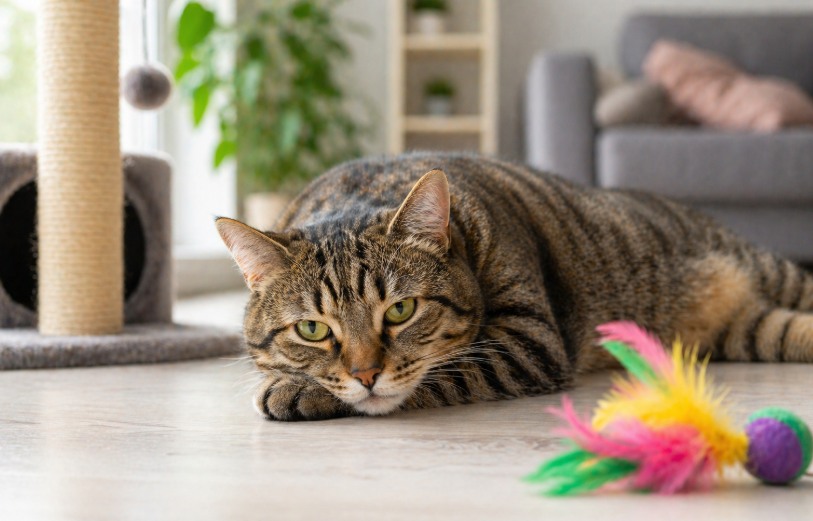
If you have ever wondered whether your pet is truly happy at home, understanding cat boredom signs is a great place to start. Many cats live indoors where stimulation can be limited, and without proper engagement, boredom can quickly develop. While it may seem harmless at first, ignoring cat boredom signs can lead to behavioral problems and even health issues over time.
Cats are naturally curious and active hunters. When their environment does not meet these instincts, they often show subtle changes in behavior. Recognizing cat boredom signs early allows you to take action before frustration builds. With the right adjustments, you can improve your cat’s daily life and overall well-being.
Why Boredom Affects Cats More Than You Think
Boredom is not just about inactivity. It affects both mental and physical health. When cats lack stimulation, their natural behaviors have no outlet. As a result, they may develop habits that seem unusual or disruptive.
For example, a bored cat may begin to overeat, sleep excessively, or become less interactive. Over time, these changes can lead to weight gain or reduced energy levels. Because of this, understanding cat boredom signs is essential for maintaining a healthy lifestyle.
In addition, mental stimulation supports emotional balance. Cats that feel engaged are more relaxed and less likely to develop stress-related behaviors.
Common Cat Boredom Signs You Might Miss
Some cat boredom signs are easy to overlook because they appear subtle at first. One of the most common is excessive sleeping. While cats naturally sleep a lot, boredom can increase this behavior beyond normal levels.
Another sign is overgrooming. Cats may lick themselves excessively when they have nothing else to do. This can sometimes lead to hair loss or skin irritation.
Destructive behavior is also a clear indicator. Scratching furniture, knocking objects over, or chewing on items may signal frustration. These actions often occur when cats try to create their own stimulation.
In addition, changes in appetite can be linked to boredom. Some cats eat more out of habit, while others lose interest in food altogether.
Behavioral Changes Linked To Boredom
Behavioral shifts are among the most noticeable cat boredom signs. A previously social cat may become withdrawn or less responsive. On the other hand, some cats become overly vocal and demand constant attention.
Aggression can also develop in certain cases. Bored cats may lash out during play or react more strongly to small triggers. This behavior often stems from pent-up energy.
Restlessness is another common sign. Cats may pace around the house or appear unable to settle. These behaviors indicate that their environment is not meeting their needs.
How Indoor Living Contributes To Boredom
Indoor cats are more likely to experience cat boredom signs because their environment is limited. While indoor living keeps cats safe, it reduces opportunities for natural behaviors like hunting and exploring.
Without outdoor stimulation, cats depend entirely on their surroundings for entertainment. If those surroundings remain unchanged, boredom can quickly set in.
However, this does not mean indoor cats cannot thrive. By creating a stimulating environment, you can reduce boredom and support your cat’s natural instincts.
The Role Of Play In Preventing Boredom
Play is one of the most effective ways to address cat boredom signs. Interactive toys that mimic prey movements encourage cats to engage physically and mentally. This type of play satisfies their hunting instincts.
Regular play sessions also strengthen the bond between you and your cat. Even short daily sessions can make a significant difference in behavior and mood.
Rotating toys helps maintain interest. Cats may lose excitement if the same toys are always available. By introducing variety, you keep their environment fresh and engaging.
Creating A Stimulating Home Environment
A stimulating environment helps reduce cat boredom signs and keeps your pet active. Vertical spaces such as cat trees or shelves allow climbing and exploration. These features add variety to your cat’s daily routine.
Window perches are another useful addition. Watching birds or outdoor activity provides mental stimulation. This simple change can keep cats entertained for long periods.
In addition, puzzle feeders encourage problem-solving during mealtime. This slows eating and adds an element of challenge. For more ideas on improving your cat’s lifestyle, you can explore https://www.wellnessonthegreen.com/ for helpful tips.
How Routine And Interaction Improve Behavior
Consistency plays a key role in reducing cat boredom signs. Feeding, playtime, and interaction should follow a regular schedule. This predictability helps cats feel secure and engaged.
Spending quality time with your cat also makes a difference. Even simple activities like brushing or talking to your cat can provide mental stimulation. These interactions strengthen emotional well-being.
In addition, introducing small changes occasionally keeps the environment interesting. New toys or rearranged furniture can create fresh experiences without overwhelming your cat.
When Boredom Leads To Health Problems
Ignoring cat boredom signs can eventually affect physical health. Overeating due to boredom may lead to obesity, which increases the risk of other conditions. Lack of activity also contributes to reduced muscle tone.
Stress-related behaviors such as overgrooming can cause skin issues. In severe cases, boredom may lead to depression-like symptoms in cats.
Because of this, addressing boredom is not just about behavior. It is also about maintaining overall health and preventing long-term complications.
Simple Solutions To Keep Your Cat Engaged
There are many practical ways to reduce cat boredom signs. Providing a variety of toys, creating climbing spaces, and maintaining regular playtime are all effective strategies.
Introducing scent-based stimulation can also help. Catnip or safe herbs can encourage exploration and curiosity. In addition, hiding treats around the house turns feeding into a fun activity.
For further guidance on cat health and behavior, resources like https://www.petmd.com/ and https://www.aafco.org/ can offer valuable insights. Combining these ideas creates a well-rounded approach to engagement.
Conclusion
Cat boredom signs are often subtle but should never be ignored. From behavioral changes to physical symptoms, boredom can affect your cat in many ways. By understanding these signs, you can take action to improve your cat’s environment and daily routine.
Simple changes such as interactive play, environmental enrichment, and consistent routines can make a significant difference. Over time, these efforts lead to a happier, healthier, and more engaged cat.
Addressing boredom is not complicated, but it requires attention and consistency. When you meet your cat’s natural needs, you create a balanced and fulfilling life for your pet.
FAQ
- How do I know if my cat is bored or just lazy?
Look for behavior changes like overgrooming, restlessness, or destructive actions. - Can boredom cause health problems in cats?
Yes, it can lead to obesity, stress, and other long-term health issues. - How often should I play with my cat?
Daily play sessions, even short ones, help keep your cat active and engaged. - Are indoor cats more likely to get bored?
Yes, because they have fewer natural stimuli compared to outdoor cats. - What is the easiest way to reduce boredom?
Adding toys, climbing spaces, and regular interaction can quickly improve engagement.